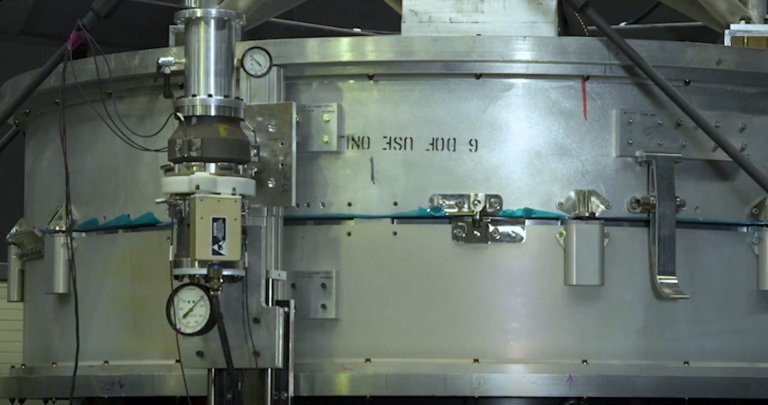
NASA has identified more than 40 space technologies, including innovations for lunar exploration and in-space manufacturing, available for collaboration with commercial companies. This strategic move aims to accelerate technology maturation, reduce development costs, and foster broader industry engagement in advancing space applications for both government and commercial sectors.

Washington, D.C., United States – The National Aeronautics and Space Administration (NASA) has identified more than 40 space technologies available for potential collaboration with commercial companies, signaling a strategic push to accelerate innovation and reduce costs in aerospace development. This initiative aims to mature critical technologies by leveraging industry partnerships, ultimately advancing both government and commercial space applications.

NASA’s approach focuses on fostering a vibrant commercial space ecosystem by making its technological advancements accessible. The identified innovations are critical for future missions, including lunar surface operations, advanced communication systems, and autonomous in-space manufacturing processes. By transferring these technologies, NASA seeks to catalyze new commercial ventures and expand existing capabilities within the private sector.
The agency’s technology transfer program has historically played a significant role in bringing space-derived innovations to Earth-based industries. This current selection of over 40 technologies underscores a renewed emphasis on direct commercial application and partnership for space-specific challenges. This collaborative model is designed to accelerate the readiness level of technologies, making them viable for integration into upcoming NASA missions and broader commercial use.
The announcement carries significant implications for the U.S. aerospace industry, potentially spurring investment and job creation within the commercial space sector. Enhanced private sector involvement in maturing NASA-developed technologies could lead to new product lines and service offerings, benefiting companies ranging from established aerospace giants to agile startups. This fosters a more robust and competitive domestic space economy, reducing reliance on single-source government contracts.
Furthermore, by reducing the internal development burden, NASA can strategically reallocate resources toward more fundamental research and complex mission planning. The availability of these technologies to commercial partners is expected to drive down the overall cost of space access and exploration for all parties, making ambitious projects like sustainable lunar presence or deep space travel more economically feasible. This shift emphasizes a long-term strategy of shared development and distributed risk.
The initiative aligns with the broader U.S. strategy to maintain leadership in space by strengthening the domestic industrial base and promoting technological self-sufficiency. It also positions U.S. companies to be global leaders in emerging space markets, from satellite servicing to resource utilization on celestial bodies. This government-to-industry pathway is crucial for accelerating the commercialization of space and unlocking new economic frontiers.

Written by
Tumisang Bogwasi, Founder & CEO of Brimco. 2X Award-Winning Entrepreneur. It all started with a popsicle stand.