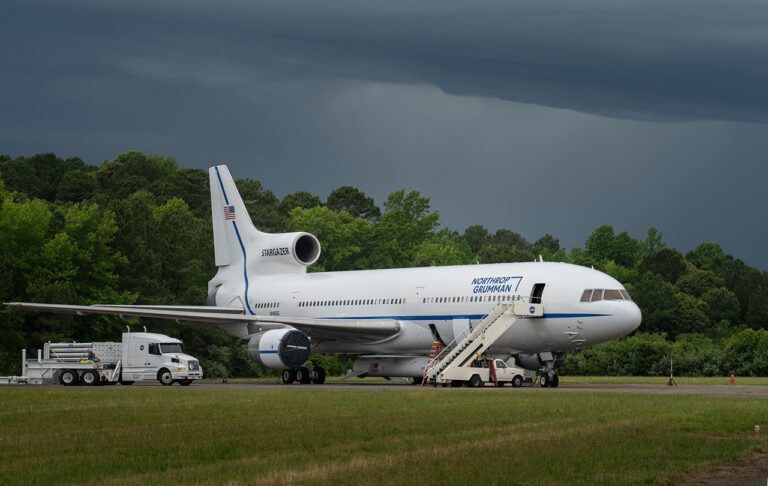
NASA has successfully completed ground-based tests of a new Fluid Transfer Coupler, a critical component for future in-space refueling capabilities. This technology, designed for cryogenic fluid management, is essential for enabling longer-duration human missions to the Moon and Mars by allowing spacecraft to be refueled with liquid hydrogen and liquid oxygen in orbit.
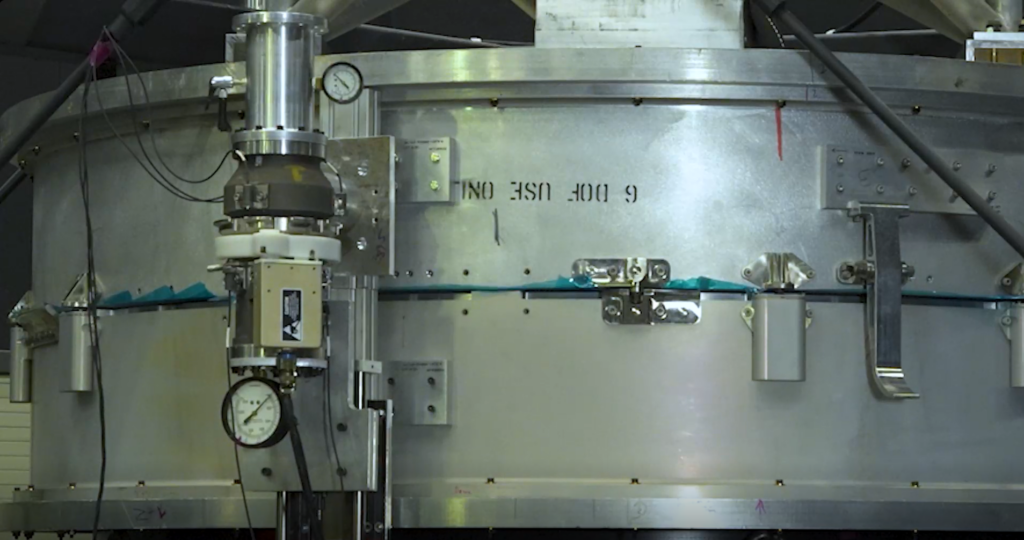
HUNTSVILLE, United States – The U.S. National Aeronautics and Space Administration (NASA) has successfully concluded a series of ground-based tests for a novel Fluid Transfer Coupler, a key enabling technology for future in-space refueling operations. This development is pivotal for supporting ambitious deep-space missions, including the Artemis program’s return to the Moon and subsequent human exploration of Mars.
The Fluid Transfer Coupler is engineered to facilitate the transfer of cryogenic propellants, specifically liquid hydrogen and liquid oxygen, between spacecraft in the vacuum of space. The ground tests, conducted at NASA’s Marshall Space Flight Center in Huntsville, Alabama, simulated the challenging conditions of space to validate the device’s operational efficiency and reliability.

This refueling capability is projected to significantly enhance mission architectures by reducing the amount of propellant that needs to be launched from Earth, thereby lowering overall launch costs. It also enables spacecraft to carry more payload or extend their operational lifespan, unlocking new possibilities for scientific research and exploration beyond Earth’s orbit.
The challenge of managing cryogenic fluids in space stems from their tendency to boil off over time, requiring robust thermal management and transfer systems. The tested coupler represents a significant step forward in overcoming these technical hurdles, providing a reliable connection point for propellant delivery.
This technological advance holds substantial implications for the U.S. aerospace sector, particularly for government contractors and private space companies focused on infrastructure development in low Earth orbit and beyond. The ability to refuel satellites and spacecraft in orbit could foster a new market for in-space services, including propellant depots and orbital logistics platforms.
Investment in cryogenic fluid management technologies, such as this coupler, directly supports NASA’s long-term strategic goals for human spaceflight. It paves the way for a more sustainable and economically viable approach to space exploration, potentially attracting further private sector capital into the development of orbital infrastructure.
Companies like Lockheed Martin, which is developing the Cryogenic Fluid Management-1 (CFM-1) mission in collaboration with NASA Glenn Research Center, stand to benefit from the maturation of these technologies. The CFM-1 mission, scheduled for an in-space demonstration in 2026, aims to further validate these capabilities in an operational environment, marking a critical milestone for the future of deep-space operations.

Written by
Tumisang Bogwasi, Founder & CEO of Brimco. 2X Award-Winning Entrepreneur. It all started with a popsicle stand.