NASA published technical bulletin TB 26-04 to establish strict material compliance rules for textiles used in high pressure oxygen environments, impacting aerospace supply chains and regulatory compliance.
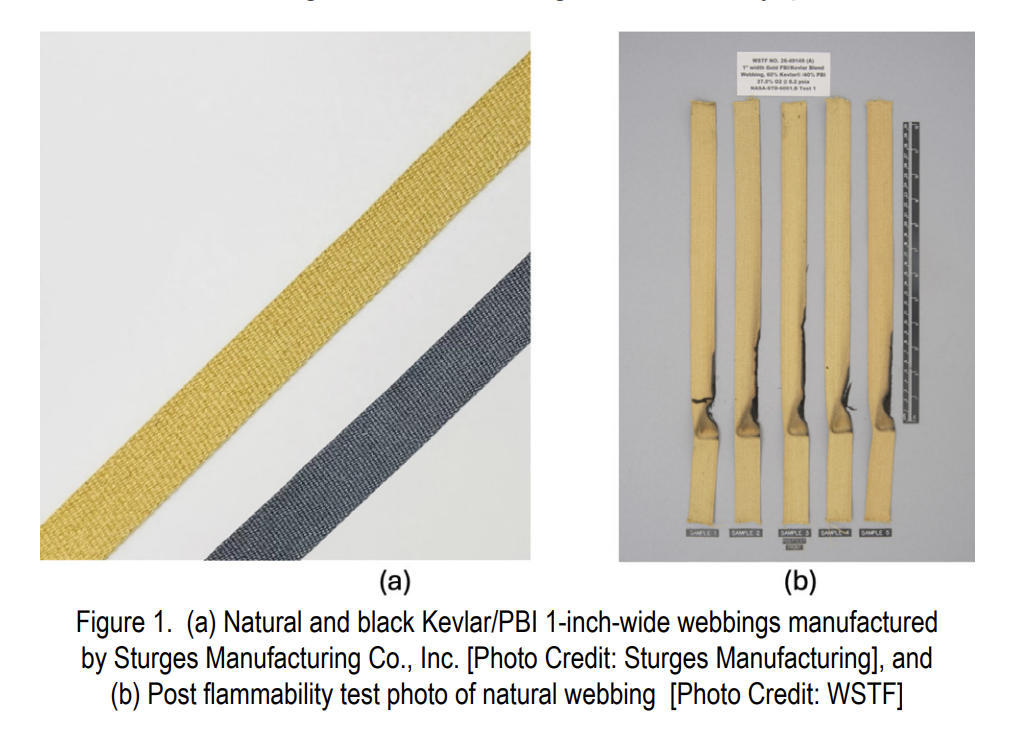
Washington, United States, NASA published a technical directive addressing material safety parameters for aerospace hardware operating in high pressure and oxygen rich conditions. The publication, designated as TB 26-04 Webbings for Use in Elevated Oxygen Environments, outlines critical engineering controls to mitigate flammability risks in spacecraft cabins.

The guidance stems from ongoing evaluations by the NASA Engineering and Safety Center. The center focuses on material selection, weave density, and chemical composition thresholds for textiles deployed in critical flight environments.
The updated engineering bulletin directly impacts commercial contractors supplying soft goods, restraint systems, and tether assemblies for crewed spacecraft. Prime contractors must review current inventory against newly published flammability thresholds and test parameters. Failure to comply with these baseline requirements could delay vehicle certification timelines for upcoming commercial crew rotations and lunar exploration programs.
Material testing facilities are scaling up diagnostic capabilities to handle a surge in evaluation requests. Testing protocols now mandate stricter verification of ignition resistance under simulated orbital atmosphere conditions. Tighter constraints ensure commercial vendors meet federal safety baselines before components integrate into flight ready modules.
Regulatory oversight within the aerospace sector continues to tighten as commercial flight providers expand operations. The NASA memorandum serves as an industry benchmark for material safety, influencing international space agencies and private launch providers alike. Engineering teams are tasked with revising technical drawings and material sheets to reflect the updated standard.
Insurance underwriters and risk management divisions are incorporating the latest bulletin into underwriting criteria for space assets. Demonstrating adherence to elevated oxygen safety standards provides a verifiable benchmark for risk reduction. Operational rigor helps protect high value capital investments in human spaceflight infrastructure.

Written by
Tumisang Bogwasi, Founder & CEO of Brimco. 2X Award-Winning Entrepreneur. It all started with a popsicle stand.