


NASA has finalized the encapsulation process for 13 small satellites destined for the Transporter-18 mission, marking a significant milestone in commercial-led orbital deployment strategies.
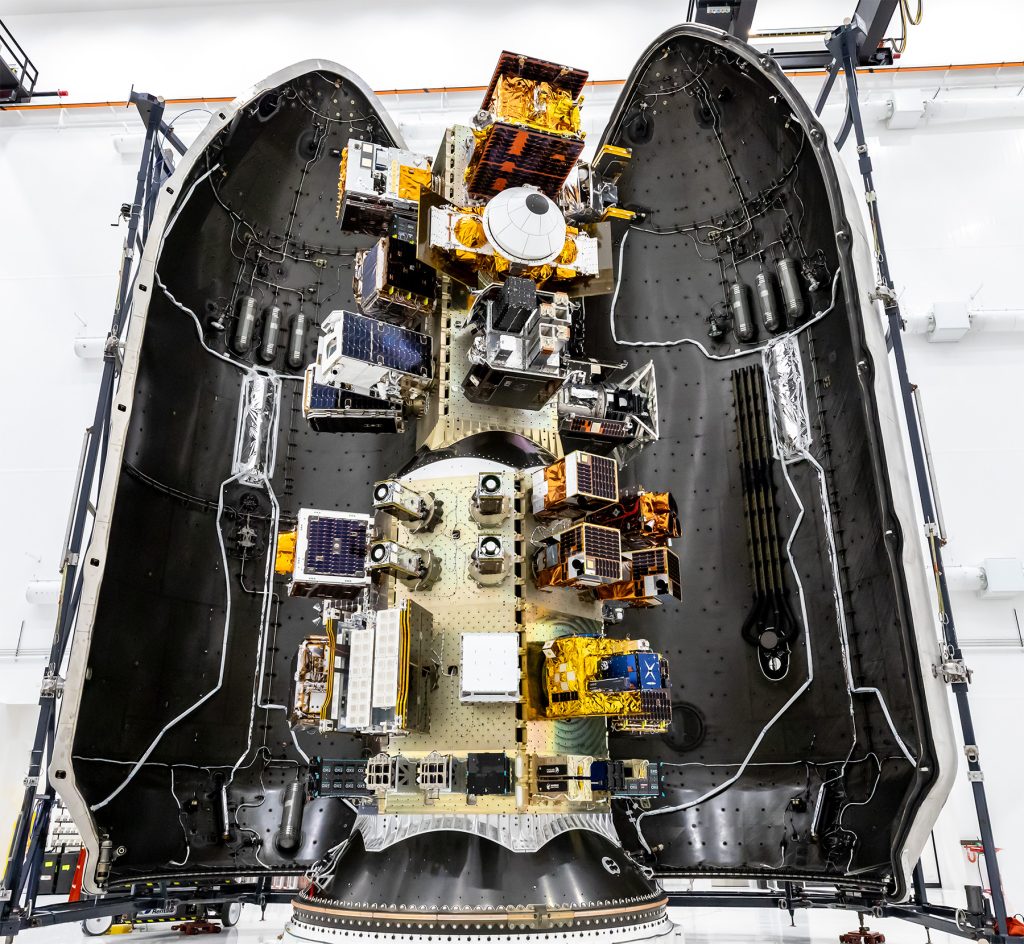
CAPE CANAVERAL, Florida – NASA has successfully completed the encapsulation of 13 small satellites for the SpaceX Transporter-18 dedicated rideshare mission. The mission, scheduled to launch via a Falcon 9 rocket, aims to deliver a diverse array of commercial, government, and academic payloads to Low Earth Orbit. This integration process marks the final phase of pre-launch preparations for the payloads, which will be secured within the payload adapter of the launch vehicle.

The Transporter-18 mission underscores the growing dominance of the rideshare business model. By allowing multiple customers to share the cost of a single rocket launch, SpaceX has significantly lowered the barrier to entry for startups, universities, and smaller government agencies. This model has become the primary vehicle for deploying small satellites that require specific orbital planes without the prohibitive capital expenditure of a dedicated launch.
The payloads in this specific mission represent a wide spectrum of applications, ranging from Earth observation sensors to advanced communication hardware. Many of these satellites are designed to provide real-time data for climate monitoring and disaster response. The precision encapsulation process ensures that these sensitive instruments are protected from the mechanical stresses and thermal fluctuations experienced during the Falcon 9 ascent.
For the aerospace industry, the frequency of these rideshare missions drives the rapid evolution of orbital infrastructure. As demand for data-based services grows, the ability to deploy multiple units simultaneously becomes a key competitive advantage for launch providers. The Transporter-18 mission is a critical link in this chain, stabilizing the supply chain for small satellite manufacturers who rely on predictable launch windows.
NASA continues to oversee these commercial launches to ensure that government-funded payloads are integrated alongside commercial partners. The success of the encapsulation phase moves the mission into the final countdown stage at Kennedy Space Center, where the integrated rocket will undergo final testing and checks before being transported to the launch pad.

Written by
Tumisang Bogwasi, Founder & CEO of Brimco. 2X Award-Winning Entrepreneur. It all started with a popsicle stand.


