NASA is set to officially open its latest wind tunnel in Virginia, a state-of-the-art facility designed to accelerate research and development in aerospace technologies.
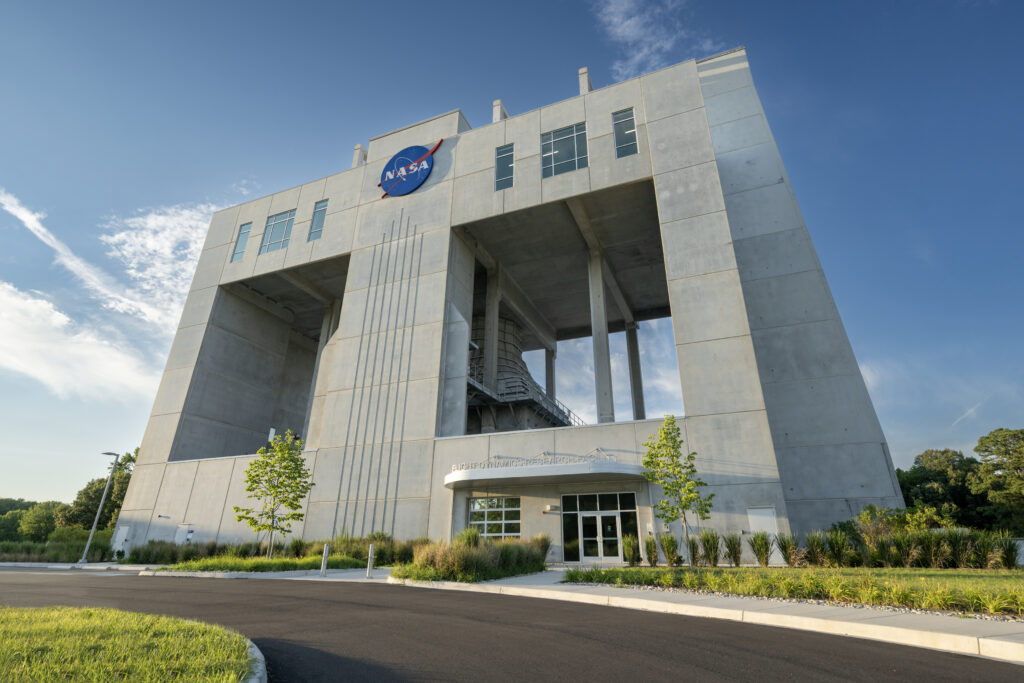
HAMPTON, VA – NASA is poised to inaugurate its most advanced wind tunnel facility, located in Hampton, Virginia. This cutting-edge infrastructure is expected to significantly enhance the agency’s capacity for aerodynamic research and the development of next-generation aerospace technologies.
The new facility represents a substantial investment in the future of flight and space exploration. It is designed to accommodate a wide range of testing needs, from advanced aircraft concepts to spacecraft re-entry systems, contributing to NASA’s broader aeronautics and space missions.
This development underscores NASA’s ongoing commitment to pushing the boundaries of aerospace engineering. The wind tunnel’s advanced capabilities will allow researchers to simulate a variety of atmospheric conditions and flight speeds with unprecedented accuracy, providing critical data for design and validation.

The state-of-the-art wind tunnel is equipped with advanced instrumentation and control systems. These features will enable researchers to conduct more precise and comprehensive aerodynamic tests. The facility’s design allows for the simulation of complex airflow phenomena, which are crucial for understanding aircraft performance and developing more efficient, safer, and quieter flight vehicles.
This initiative is also expected to foster collaboration between NASA, industry partners, and academic institutions. By providing access to this advanced research tool, the agency aims to stimulate innovation across the broader aerospace sector. The insights gained from the wind tunnel’s operation will contribute to advancements in commercial aviation, supersonic flight, and future space missions, including those related to lunar and Martian exploration.
The opening of the Virginia facility marks a significant step forward in NASA’s long-standing tradition of aeronautics research, building upon decades of expertise and innovation at the forefront of flight science.

Written by
Tumisang Bogwasi, Founder & CEO of Brimco. 2X Award-Winning Entrepreneur. It all started with a popsicle stand.