


Exchanges now need N1 billion in paid-up capital and stablecoin issuers up to N15 billion, while a 1.5% stamp duty and other taxes add to costs.
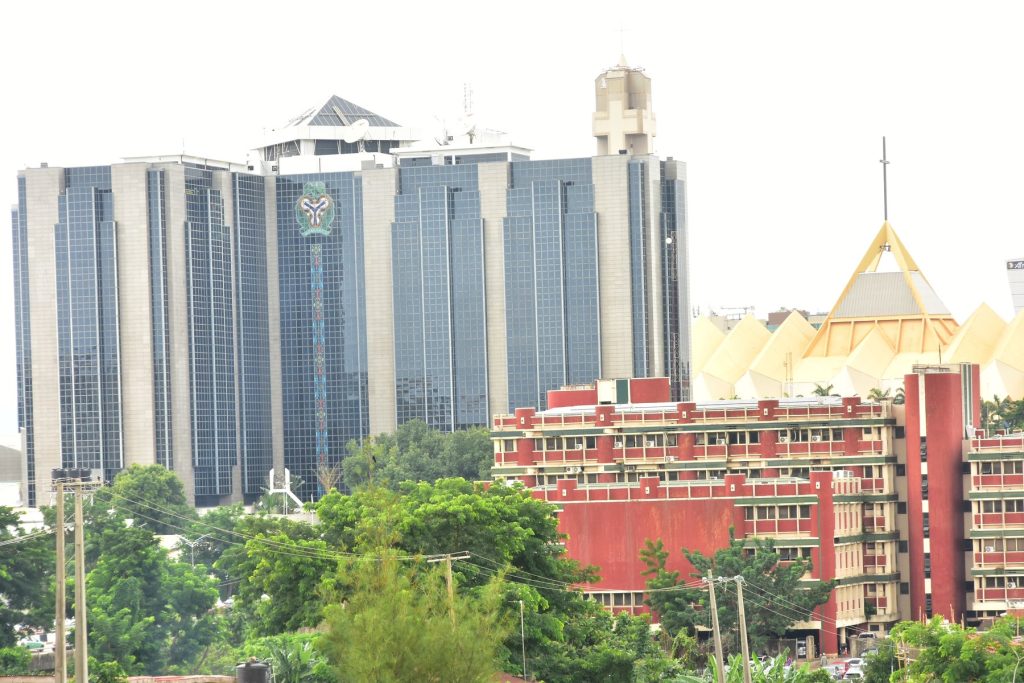
LAGOS – Nigeria’s local crypto exchanges face higher capital requirements from the Central Bank of Nigeria (CBN) at the same time as new taxes raise the cost of each trade. A BusinessDay analysis found that smaller indigenous platforms may need fresh investors, mergers or cutbacks to survive.

The CBN’s Regulations for the Operations of Non-Security Virtual Assets took effect on 5 November 2026. Exchanges, custodians, wallet providers and platform-based peer-to-peer operators must hold at least N1 billion in paid-up capital. That is on top of capital already committed under a Securities and Exchange Commission licence, BusinessDay reported.
Issuers of naira-referenced stablecoins need N10 billion and issuers of foreign-currency stablecoins N15 billion. Existing operators have 180 days to submit complete licence applications.
The Nigeria Revenue Service’s guidelines, dated 31 July 2026, set a 1.5% stamp duty on fiat-to-token and token-to-fiat conversions. Platforms withhold the duty in token units, TechCabal reported. A 1% withholding tax applies to gross proceeds from specified disposals, and 7.5% VAT applies to services provided by virtual asset firms.
For frequent traders who move repeatedly between naira and stablecoins, the stamp duty could add up quickly.
Mela Claude Ake, president of the Stakeholders in Blockchain Technology Association of Nigeria, backed the thresholds. “The requirements on paid-up capital are about ensuring that these entities have skin in the game,” he told BusinessDay. He suggested tiered licensing as a middle path.
Jude Ozinegbe, chief executive of Cyberchain Consult, warned of concentration. “My first position is that regulation must protect the market without suffocating innovation,” he said, calling for risk-based capital rules.
Chainalysis data cited by BusinessDay show $38.1 billion of crypto activity in Nigeria between July 2025 and June 2026, second in Sub-Saharan Africa after South Africa. Domestic exchanges received $6.22 billion, about half of centralised exchange inflows.
Clearer rules could draw banks and institutional partners into the market. But if costs push users toward offshore platforms or informal peer-to-peer channels, transactions could become harder to monitor, potentially undercutting both the tax base and the CBN’s oversight goals.

Written by
Tumisang Bogwasi, Founder & CEO of Brimco. 2X Award-Winning Entrepreneur. It all started with a popsicle stand.


