Nigeria's Federal Ministry of Education has launched a comprehensive national education data system, the National Education Management Information System (NEMIS), aimed at standardizing data collection across all educational institutions. This initiative is designed to improve policy formulation, resource allocation, and foster data-driven decision-making within the sector, with a strong push for full compliance from public and private schools nationwide.
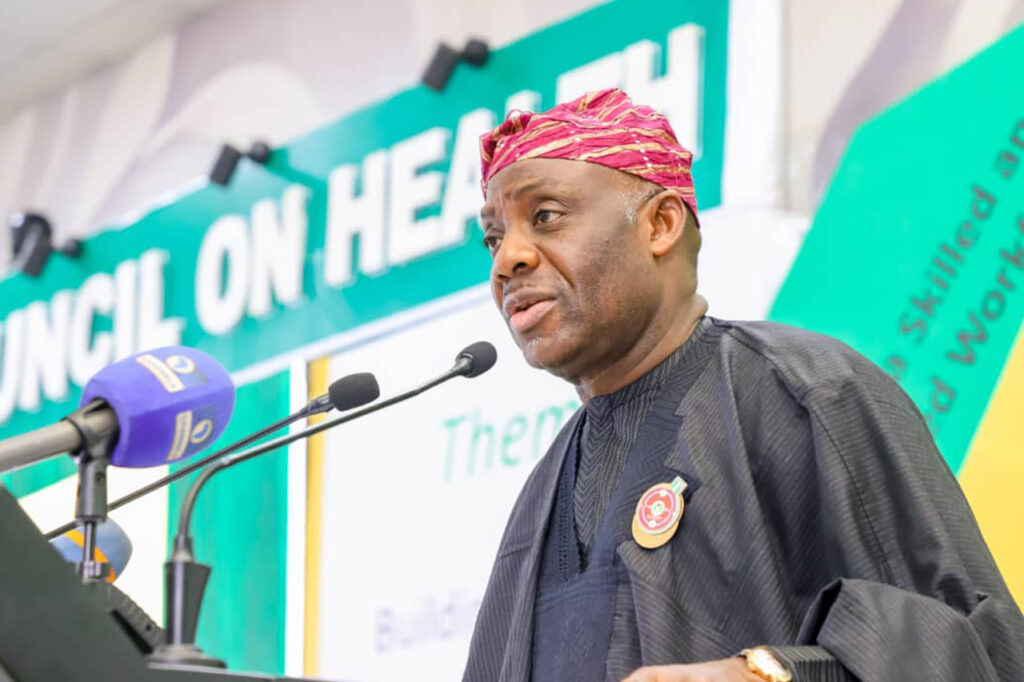
ABUJA, Nigeria – The Federal Government of Nigeria, through its Ministry of Education, has officially unveiled the National Education Management Information System (NEMIS), a centralized digital platform intended to streamline data collection and management across all levels of education in the country. This strategic launch underscores Nigeria’s commitment to leveraging data for enhanced educational planning, resource optimization, and investment attraction.
The initiative mandates all public and private educational institutions, from basic to tertiary levels, to register and consistently update their information on the NEMIS portal. This systematic approach aims to provide real-time, accurate data on student enrollment, teacher demographics, infrastructural facilities, and funding needs, offering a holistic view of the national educational landscape.

The implementation of NEMIS represents a significant step in Nigeria’s digital transformation agenda, particularly within the public sector. By centralizing educational statistics, the government expects to identify critical gaps, forecast future needs, and deploy resources more efficiently. This data-driven approach is poised to replace disparate, often unreliable, manual record-keeping systems that have historically hindered effective educational governance.
The Acting Permanent Secretary for the Federal Ministry of Education, Mr. Gbemisola Olusegun, emphasized that the database would serve as a crucial tool for both national and international partners seeking to invest in Nigeria’s education sector. Transparent and verifiable data can significantly reduce investment risks and direct funding towards areas with the most impact. This enhanced data visibility is vital for a developing economy like Nigeria, which seeks to optimize its human capital potential.
This move by Nigeria holds significant implications for the broader African continent, where many nations grapple with similar challenges in education data management. Nigeria’s adoption of a standardized national system could serve as a model for other regional economies looking to digitize public services and improve data integrity.
Reliable educational data is fundamental for attracting foreign direct investment into sectors requiring skilled labor, as it provides clarity on workforce readiness and training capacities.
Furthermore, the success of NEMIS could influence cross-border educational collaborations and regional integration efforts. Accurate statistics on educational attainment and skill distribution can facilitate better alignment of academic programs with industry demands across West Africa. This strengthens the regional human capital base, potentially leading to increased intra-African trade and innovation.
The initiative also reflects a growing trend among African governments to invest in digital infrastructure as a cornerstone for sustainable economic development and competitive positioning on the global stage.

Written by
Tumisang Bogwasi, Founder & CEO of Brimco. 2X Award-Winning Entrepreneur. It all started with a popsicle stand.