A recent NASA Inspector General report casts significant doubt on whether Boeing's Starliner spacecraft will ever achieve certification for human spaceflight, citing persistent technical failures, budget overruns, and unresolved issues. The report highlights challenges that could impede Starliner's operational readiness before the International Space Station's planned decommissioning in 2030, impacting the future of commercial crew transport.
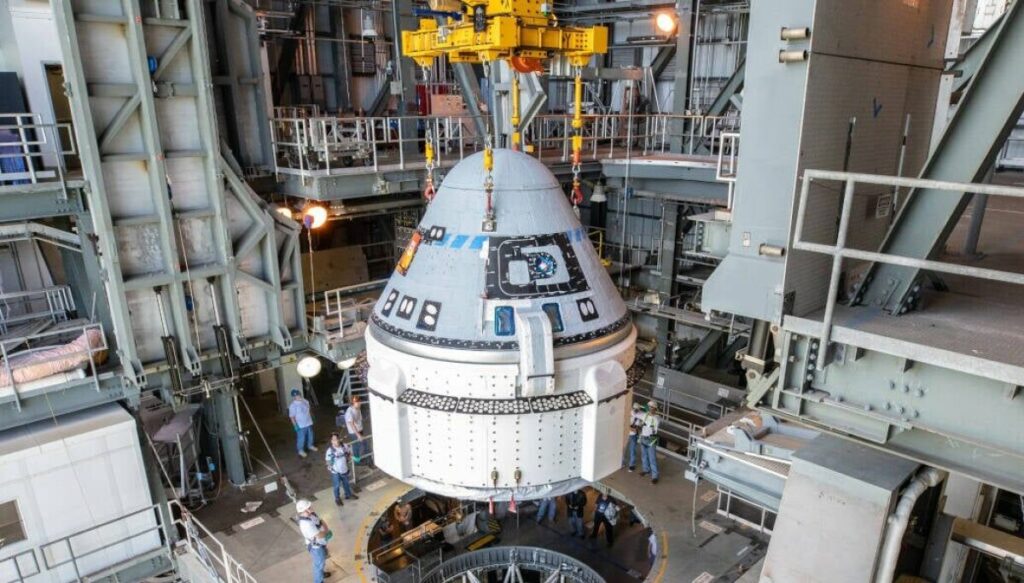
WASHINGTON, D.C., United States – NASA harbors significant doubtregarding the eventual human-rating certification of Boeing’s Starliner spacecraft, according to a recent Inspector General report. The OIG’s findings, published this week, highlight persistent technical failures and budget overruns that have plagued the Starliner program, raising questions about its operational viability before the International Space Station’s (ISS) planned decommissioning in 2030.

The OIG report details Starliner’s history of challenges across three test missions, including one crewed flight that NASA classified as a serious mishap. The 2019 orbital flight test failed to reach the ISS due to a software-related mission timing error. Subsequent issues involved stuck oxidizer valves in 2021, and thruster failures, and helium leaks during its successful 2022 ISS docking.
Further delays in 2023 stemmed from a faulty parachute system and flammability concerns related to wiring insulation. The single crewed mission resulted in astronauts Butch Wilmore and Suni Williams being stranded on the ISS for months after the spacecraft was deemed unsafe for return. These persistent issues, particularly helium leaks and propulsion system failures, remain unresolved as of March 2026, according to the Inspector General.
The report attributes the program’s struggles to both NASA and Boeing. NASA’s overconfidence in Boeing’s design, based on its use of “heritage systems,” led to the agency setting “unrealistic launch and flight test schedules.” This pressure, combined with underutilization of certain resources, compounded the challenges for the Starliner program.
The potential failure to certify Starliner for regular human flight could significantly impact NASA’s Commercial Crew Program and the broader US aerospace industry. The program, initiated to reduce reliance on Russian Soyuz capsules for astronaut transport to the ISS, aimed to foster competition between commercial providers like Boeing and SpaceX. If Starliner does not achieve certification, it could leave SpaceX as the sole US commercial option for crew transport, limiting redundancy and potentially increasing costs for NASA.
From a budgetary perspective, NASA and Boeing have already invested over 11 years and substantial resources into Starliner. With the ISS scheduled for decommissioning in 2030, the window to realize the value of these investments is narrowing. Further delays or a complete non-certification would represent a significant financial loss and strategic setback for US human spaceflight capabilities. This situation underscores the critical need for stringent oversight and realistic project timelines in complex aerospace endeavors.
The issue also has implications for future deep space exploration. While Starliner is intended for low-Earth orbit, its developmental challenges reflect broader difficulties in complex spacecraft development. Success in commercial crew transport is a foundational element for larger lunar and Mars missions, and sustained issues could impact public and congressional confidence in advanced aerospace projects.

Written by
Tumisang Bogwasi, Founder & CEO of Brimco. 2X Award-Winning Entrepreneur. It all started with a popsicle stand.