Nigeria's upstream oil sector faces substantial hurdles in infrastructure and asset integrity, potentially impacting its goal of increasing crude production. The Nigerian Upstream Petroleum Regulatory Commission (NUPRC) is addressing these issues while collaborating with the Nigeria Revenue Service (NRS) to optimize revenue collection and supporting regional regulatory harmonization.
Abuja, Nigeria – Nigeria’s ambition to significantly boost crude oil production faces considerable headwinds from aging infrastructure and critical asset integrity concerns, according to the Nigerian Upstream Petroleum Regulatory Commission (NUPRC). The regulatory body is working towards an optimistic daily output target of 1.9 million barrels, despite reaching 1.86 million bpd in May 2024, highlighting persistent operational challenges.

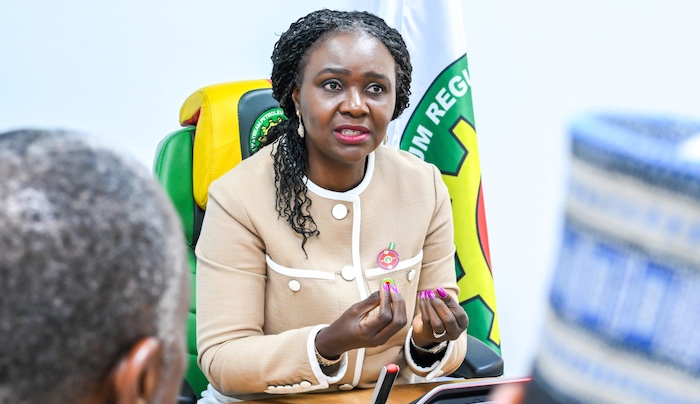
NUPRC Chief Executive, Oritsemeyiwa Eyesan, articulated these concerns during a recent meeting with Nigeria Revenue Service (NRS) Chairman, Dr. Zacch Adedeji, in Abuja. Eyesan emphasized the urgent need to address these issues to sustain and grow the nation’s vital oil output.
Both organizations agreed to strengthen their collaboration on oil and gas revenue collection, aiming to optimize fiscal gains from the sector. This partnership is crucial for Nigeria, which heavily relies on oil revenues to fund its national budget and economic development initiatives.
Eyesan also highlighted the importance of human capacity development within the industry. Investing in skilled personnel is essential to meet the increasing demands of the sector and to drive future growth, ensuring the longevity and efficiency of Nigeria’s oil and gas operations.
Separately, the Minister of State for Petroleum Resources (Gas), Ekperikpe Ekpo, expressed strong support for the African Petroleum Regulators Forum (AFRIPERF). This continental initiative seeks to harmonize oil and gas regulations across African nations, aiming to create a more attractive and streamlined investment environment.
AFRIPERF’s efforts are designed to foster greater cooperation among regulatory bodies, share best practices, and facilitate cross-border energy projects. Ghana, Somalia, The Gambia, Madagascar, Sudan, Guinea, and Togo have already joined the forum, with more African countries anticipated to sign on in the near future AFRIPERF Gains Traction. This collaborative approach is expected to reduce regulatory complexities and enhance investor confidence across the continent.
The infrastructure and asset integrity challenges identified by NUPRC in Nigeria carry significant implications for West Africa’s energy security and regional trade dynamics. As a major oil producer, Nigeria’s output fluctuations directly impact the stability of global oil prices and regional supply chains, affecting neighboring economies reliant on its energy exports.
Reduced or unstable oil production in Nigeria could exacerbate energy deficits in the sub-region, potentially driving up import costs for countries like Ghana and Togo that are also part of AFRIPERF. This scenario could strain national budgets and consumer purchasing power, influencing regional inflation rates and overall economic performance.
AFRIPERF’s push for harmonized regulations offers a strategic pathway for West African nations to standardize their energy governance frameworks. Such alignment could attract more substantial foreign direct investment into the region’s upstream sector, fostering a more predictable and competitive investment landscape essential for long-term energy sustainability and economic diversification beyond oil.

Written by
Tumisang Bogwasi, Founder & CEO of Brimco. 2X Award-Winning Entrepreneur. It all started with a popsicle stand.