


Finance minister Taiwo Oyedele told the S&P Africa Summit in Lagos that a common issuer and investor regime could deepen local-currency bond markets.
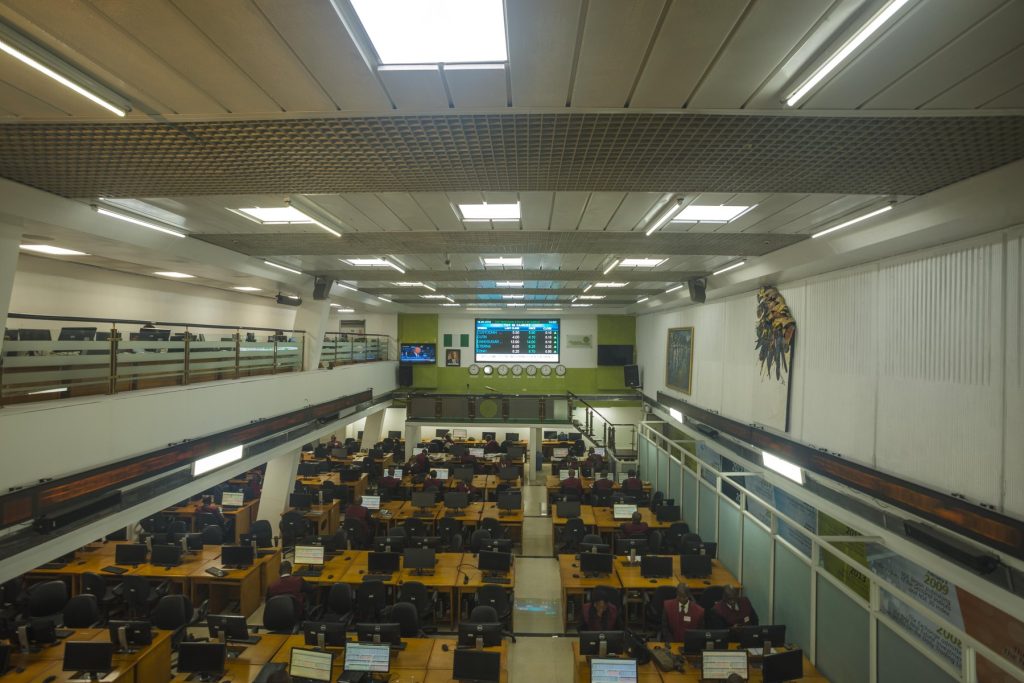
LAGOS – Nigeria has proposed a regional capital-market framework that would let governments and companies raise funds across 10 West African countries under a common regulatory arrangement, finance minister Taiwo Oyedele said at the S&P Global Ratings Africa Summit in Lagos, BusinessDay reported.

At the centre is a “passport” regime: an issuer approved in one participating market could sell securities in the others without separate approvals in each. A unified investor identification system would let investors registered in one country buy bonds and equities across the group without repeating onboarding.
Oyedele also proposed linking trading, settlement and payment systems so securities trades settle directly in local currencies, reducing reliance on the US dollar, along with a regional local-currency bond index and a credit-enhancement facility for cross-border infrastructure.
The countries named are Nigeria and Ghana plus Benin, Burkina Faso, Côte d’Ivoire, Guinea-Bissau, Mali, Niger, Senegal and Togo, which share the CFA franc and a central bank.
“The task now is to join these pieces together,” he said, pointing to the West African Capital Markets Integration Council, the African Exchanges Linkage Project and the Pan-African Payment and Settlement System.
Oyedele said Nigeria is targeting an investment-grade rating within three years and a capital market worth at least $1 trillion under a 10-year plan. “In May, S&P upgraded Nigeria to B with a stable outlook, which we welcome,” he said, according to Moneycentral.
S&P raised Nigeria to B from B- on 15 May, citing higher oil output, refining capacity and the 2023 exchange-rate liberalisation.
Individual West African markets are too small to attract large, long-term investors, the minister argued. A passport could let pension funds and insurers buy across borders and give infrastructure projects a bigger investor base. Implementation would require agreement among regulators in two monetary zones, which has slowed similar efforts before.
Investors will watch for a timetable and which regulators sign on first.

Written by
Tumisang Bogwasi, Founder & CEO of Brimco. 2X Award-Winning Entrepreneur. It all started with a popsicle stand.


