


Nike Inc. (NKE) reported fourth-quarter fiscal year 2026 earnings that surpassed analyst estimates, driven by strong global demand despite a 12% year-over-year decline in Greater China sales. The athletic wear giant also announced an expected $986 million tariff refund, which is projected to positively impact its financial position and future investments. This mixed financial report highlights Nike's ability to navigate complex international markets while benefiting from favorable trade resolutions.
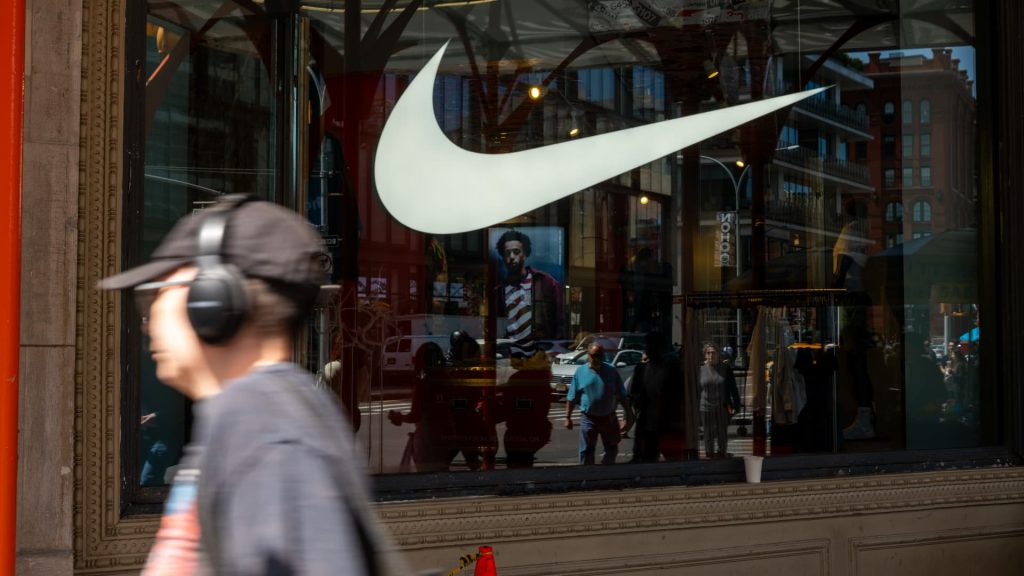
New York, United States – Nike Inc. (NKE) exceeded analyst expectations for its fourth quarter of fiscal year 2026 earnings, reporting robust overall performance despite a significant 12% decline in sales within the crucial Greater China market. The global athletic apparel and footwear giant also announced an anticipated $986 million tariff refund, a development poised to bolster its financial outlook and shareholder returns. This mixed performance, particularly the tariff refund news, influenced initial market reactions, with investors weighing global sales challenges against prospective capital injection.

Nike’s financial results underscore a strategic balance between maintaining strong performance in core markets and addressing persistent challenges in key international regions. The anticipated $986 million tariff refund represents a substantial capital inflow that can be allocated towards product innovation, marketing campaigns, or direct returns to shareholders.
The 12% decrease in sales from Greater China highlights ongoing geopolitical and economic complexities affecting multinational corporations operating in the region. This decline follows a period of heightened consumer caution and intense local competition, prompting Nike to re-evaluate its market penetration and engagement strategies within the world’s second-largest economy, according to market analysts CNBC Report.
Despite the specific regional downturn, Nike’s global portfolio delivered strength, with other geographic segments contributing positively to the overall earnings beat. The company’s direct-to-consumer strategy and digital sales channels continue to be pivotal drivers of growth, mitigating some of the traditional retail headwinds.
Wall Street‘s reaction to Nike’s earnings was largely positive, particularly in response to the tariff refund announcement. The influx of nearly $1 billion USD signals a potential easing of some trade-related financial burdens for large American corporations, offering a positive precedent for other companies navigating international commerce. This development may provide a boost to investor confidence in American brands with significant global footprints, especially those facing similar tariff-related issues.
The expected tariff refund could allow Nike to increase domestic investments, including expansion of its U.S. manufacturing capabilities or enhanced marketing efforts targeting the North American consumer base. Such capital deployment could generate jobs and stimulate economic activity within the United States. Moreover, it highlights the complex and often dynamic nature of global trade policies and their direct impact on corporate profitability and market valuation, as monitored by agencies such as the U.S. Treasury Department.
While the Federal Reserve and the broader Washington policy landscape continue to monitor inflation and economic growth, strong earnings reports from bellwether companies like Nike provide important signals regarding corporate health. The company’s ability to exceed expectations, even with regional challenges, contributes to the overall narrative of American corporate resilience and adaptability in a fluctuating global economy, influencing indices like the Nasdaq and S&P 500.

Written by
Tumisang Bogwasi, Founder & CEO of Brimco. 2X Award-Winning Entrepreneur. It all started with a popsicle stand.


