


The Emerging Africa & Asia Infrastructure Fund aims to lift annual lending towards $400 million, with power projects still more than half of its portfolio and pipeline.
JOHANNESBURG – The Emerging Africa & Asia Infrastructure Fund (EAAIF), managed by Ninety One, plans to invest about $1 billion (roughly R16.5 billion) in African and Asian projects over the next three years, giving private lenders a larger role in closing the continent’s infrastructure finance gap.

The fund, which has operated for almost 25 years, invests as much as $350 million a year and expects to raise that over time, Martijn Proos, Ninety One’s co-head of emerging-market alternative credit and managing director of the fund, told Bloomberg. Lifting annual investment to between $350 million and $400 million would bring total deployment to about $1 billion over three years, he said.
Its active portfolio is about $1.7 billion, with almost 85% in more than 25 African countries and the rest in Asia. Ninety One itself manages about $242 billion.
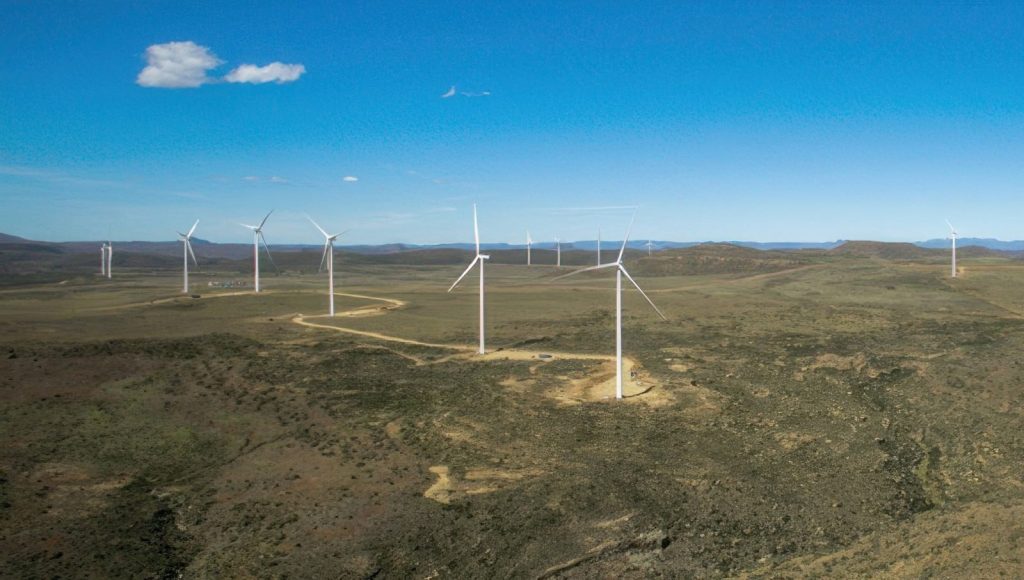
Most new investment is expected to go to solar, wind, biomass and hydropower projects, along with off-grid power systems for industrial and commercial users. Proos said power is still slightly over 50% of both the portfolio and the pipeline.
The fund also backs electric vehicles, fibre networks, data centres, ports, border post concessions and toll roads. A recent example outside power is a EUR 40 million sustainability-linked financing for the upgrade of Cabo Verde’s national airport network, according to PIDG, the development finance group that owns the fund.
EAAIF has permanent equity capital from European governments including the UK, Netherlands, Sweden and Switzerland, with additional support from Canada and Australia. It carries an A2 investment-grade assessment from Moody’s and draws about 60% of its investment funds from bank loans.
Its loan book has about 80 borrowers. Repayments are recycled into new projects and supplemented by credit from lenders including Standard Bank, Absa and Sumitomo Mitsui Banking Corp. “We have over $1 billion of debt facilities available to us,” Proos said.
The African Development Bank estimates the continent needs $130 billion to $170 billion a year for infrastructure and faces a funding gap of $68 billion to $108 billion annually. A $1 billion programme spread across two continents is small against that gap, but in our view blended vehicles of this kind can help show commercial banks that long-term African infrastructure debt can be priced and repaid.
For Southern African markets, including Botswana, where power supply and regional transmission remain policy priorities, the fund’s focus on generation and off-grid supply for businesses is the part of the plan most relevant to local developers.

Written by
Tumisang Bogwasi, Founder & CEO of Brimco. 2X Award-Winning Entrepreneur. It all started with a popsicle stand.


