


The working-capital line from British International Investment is meant to fund equipment for about 150,000 new connections, a more than tenfold increase for the off-grid startup.
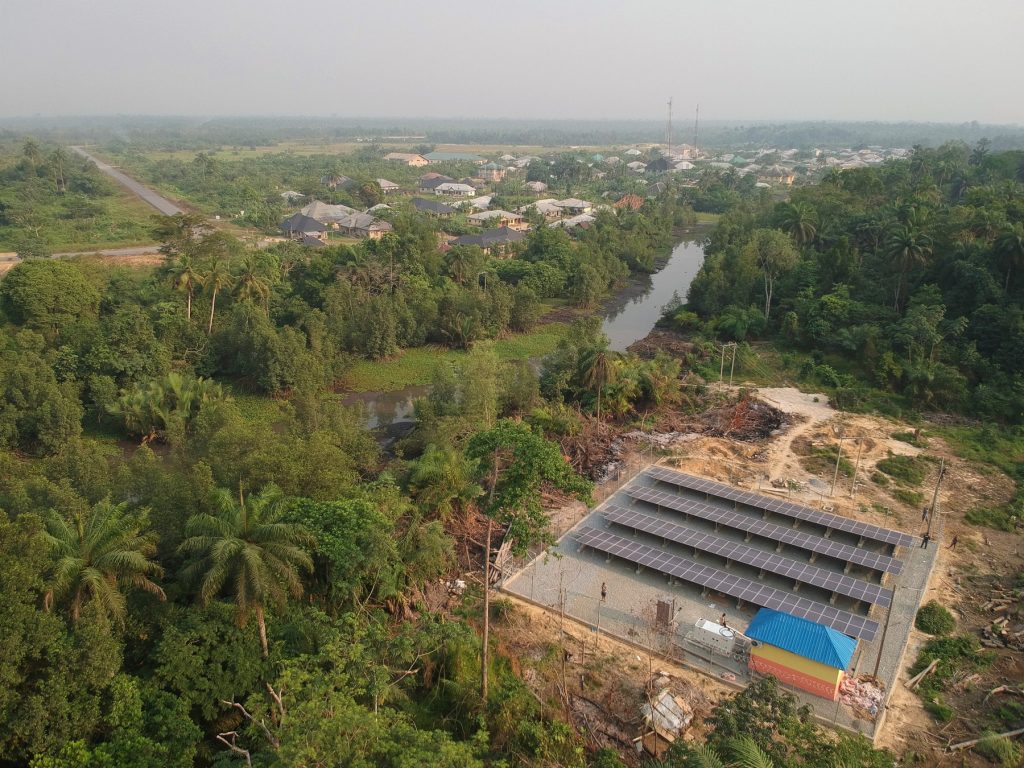
LAGOS – Nigerian off-grid energy startup Okra Solar has secured a $7 million debt facility from British International Investment (BII), the UK’s development finance institution, to scale its solar mesh-grids in rural communities, Disrupt Africa reported.

Founded in 2016, Okra Solar combines solar generation, battery storage and smart controls so that neighbouring homes and businesses can share electricity. The company says the model delivers more power than typical solar home systems while needing less infrastructure than conventional mini-grids.
The facility addresses working capital, a common barrier for distributed energy companies. Okra says it will let the company buy long lead-time components, batteries and solar panels upfront and in volume, cutting costs and shortening delivery times.
“Until now we would only order components once a transaction had closed, in batches of a few thousand units,” said chief executive Afnan Hannan. “With BII’s facility we are procuring long lead time components, batteries, and solar PV equipment upfront and in volume.”
The equipment is expected to support roughly 150,000 new connections, with the potential to bring electricity to 750,000 people in rural Nigeria for the first time.
Mesh-grids are eligible under Nigeria’s Distributed Access through Renewable Energy Scale-up (DARES) programme, run by the Rural Electrification Agency with World Bank support. Faster equipment delivery should help Okra’s developer customers bring projects online and claim results-based grant payments sooner. DARES is a $750 million World Bank-financed programme targeting electricity access for 17.5 million Nigerians.
“Access to the right type of finance can be just as important as the technology itself,” said Geoffrey Manley, BII’s head of infrastructure and climate debt for Africa and South Asia.
Nigeria’s grid does not reach many rural communities, and the gap is increasingly being filled by private off-grid providers backed by development finance. A working-capital facility, rather than project equity, targets a practical bottleneck: having equipment in stock when a developer signs. If the model scales as planned, it could offer a template for other distributed power markets in Africa, including in southern Africa, where off-grid supply is part of the electrification debate.

Written by
Tumisang Bogwasi, Founder & CEO of Brimco. 2X Award-Winning Entrepreneur. It all started with a popsicle stand.


