Spain’s parliament rejected a set of housing measures, sparking mass protests across the country. The demonstrations highlighted growing public frustration over rising rents and a perceived lack of government action to address the housing crisis.
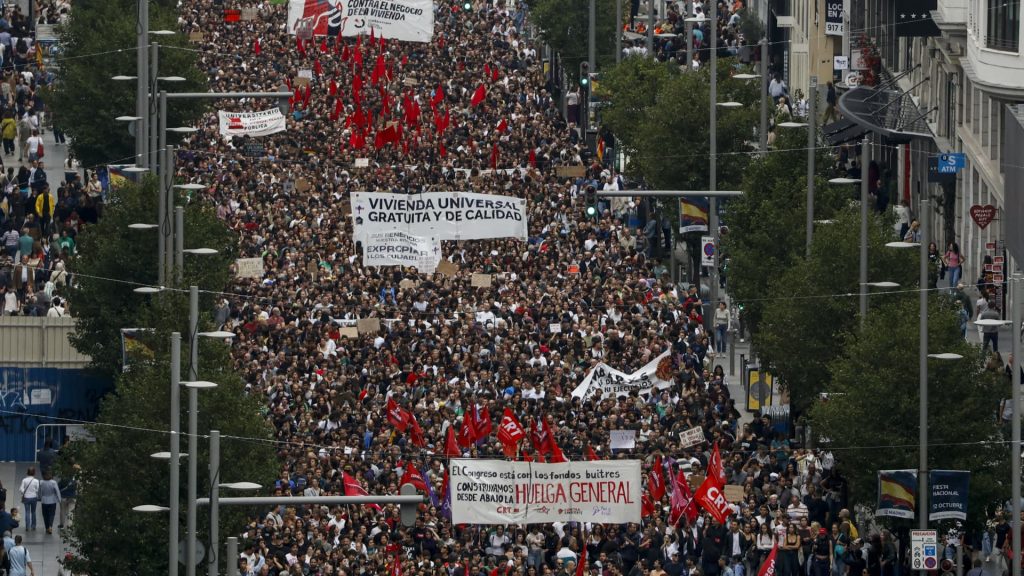
Madrid, Spain – Tens of thousands of Spaniards took to the streets in Madrid, Barcelona, and Valencia after the Spanish parliament rejected a package of housing measures designed to curb rent inflation and increase the supply of affordable homes.
The vote, held on March 12, 2024, saw the opposition parties rally behind the measures, while the ruling coalition voted against them, citing concerns over fiscal implications and market distortions.

The proposed measures, announced by the Ministry of Housing in February, included a cap on rent increases, incentives for developers to build affordable units, and a temporary freeze on property taxes for low‑income households. According to the Reuters report, the package aimed to address a housing crisis that has seen rents rise by 8% year‑over‑year in major cities.
The Spanish Ministry of Housing released a statement outlining the policy framework, noting that the measures would create an estimated 20,000 new affordable units over the next five years. The ministry’s press release, available on the Spanish Ministry of Housing, emphasized the need for a balanced approach to avoid overheating the market.
The protests began at 9 a.m. in Madrid’s Puerta del Sol and quickly spread to other urban centers. Demonstrators carried banners reading “Housing for All” and “No More Rent Hikes.” Police deployed a crowd‑control cordon, but the demonstrations remained largely peaceful. In Barcelona, the protest route passed the city’s historic Gothic Quarter, drawing significant media attention.
Opposition leaders condemned the parliament’s decision, arguing that the rejection would exacerbate the housing affordability crisis. The ruling coalition defended the vote, citing concerns over fiscal sustainability and the potential for market distortions. The Spanish Prime Minister issued a statement urging a “dialogue on housing policy” and promised a review of the measures.
The rejection of the housing package has immediate implications for Spain’s real‑estate market. Analysts warn that without regulatory intervention, rent prices could continue to climb, further straining the middle class. The European Commission has expressed concern over the potential impact on the EU’s social cohesion objectives. In the short term, the housing market may experience a slowdown in new affordable‑housing projects, as developers reassess the regulatory environment.
The protests also signal a broader shift in public sentiment toward housing policy. With the European Union’s upcoming review of social housing standards, Spain’s decision could influence policy discussions across the bloc. Investors in the real‑estate sector may need to adjust expectations for returns in the Spanish market, particularly in high‑density urban areas.
Spain’s economy has been recovering from the pandemic, with GDP growth[](https://www.brimco.io/news/tesla-q2-sales-rise-us-job-growth-june-moderates/) projected at 3.5% for 2024. However, the housing sector remains a key driver of consumer spending. The rejection of the housing measures may affect consumer confidence, potentially slowing retail sales and impacting the broader economic outlook.
The government has pledged to revisit the housing policy framework. Analysts suggest that a revised package could incorporate more targeted fiscal incentives while maintaining market stability. The outcome will likely shape Spain’s housing trajectory for the next decade, influencing both domestic policy and European housing standards.

Written by
Tumisang Bogwasi, Founder & CEO of Brimco. 2X Award-Winning Entrepreneur. It all started with a popsicle stand.