


From 1 January 2027 fully imported electric cars will face a far higher levy than Thai-built models, a bet that could lift investment but squeeze buyers.
BANGKOK – Thailand will raise excise tax on fully imported electric vehicles to 35% from 1 January 2027. The government aims to reward carmakers that build locally after Chinese imports came to dominate the country’s fast-growing EV market.

The cabinet approved the change at an off-site meeting in Udon Thani on 3 November, Nation Thailand reported. Excise Department director-general Pornchai Thiraveja said it covers imported battery electric vehicles and range-extended EVs.
Finance Minister Ekniti Nitithanprapas said the measure targets imported vehicles with no domestic production and no locally made parts, to ensure “fair treatment” for companies that have built factories in Thailand.
CNA reported that the government is also proposing a three-tier structure with preferential rates for makers using Thai components. Those meeting a possible 40% local-content threshold would pay 10%.
Battery-electric passenger car sales nearly doubled to more than 161,000 in the first nine months of 2026, according to the Federation of Thai Industries. Industry figures suggest imports made up around 70% of EV sales. Chinese-made cars took about three-quarters of the market in 2025, the International Energy Agency said.
“The new tax is meant to restore a level playing field. The direction is right, but it comes late,” said Pavida Pananond, a professor of international business at Thammasat University.
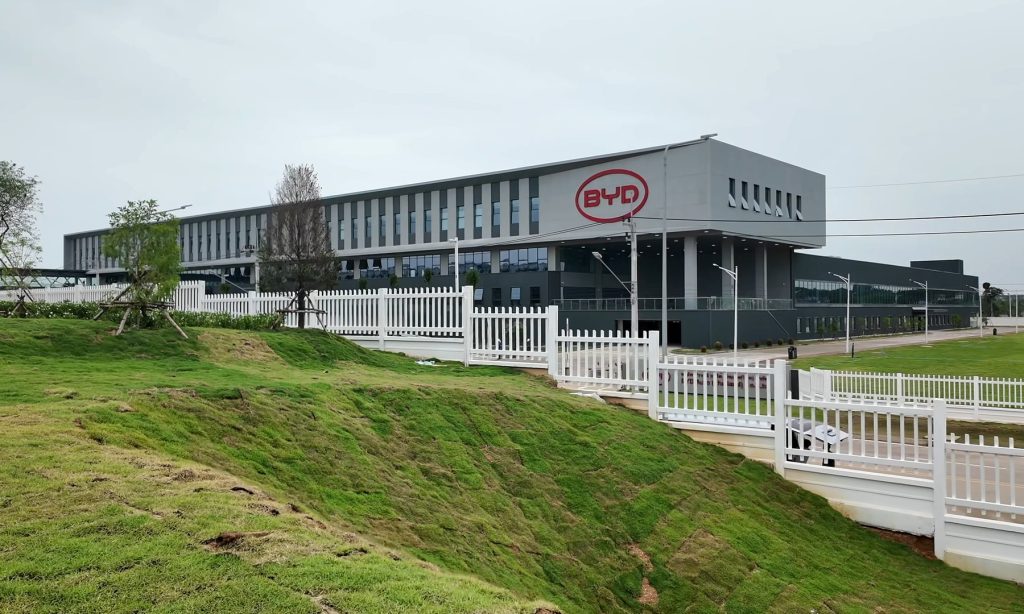
Chinese brands already building in Thailand stand to benefit. BYD’s Rayong plant can make 150,000 vehicles a year and MG’s Chonburi facility up to 100,000. Brands without local plants, such as Tesla, would face the full rate.
Krisda Utamote of the Electric Vehicle Association of Thailand said manufacturers would probably import and clear stock before the deadline, so prices may not jump immediately in January.
The policy also aims to protect an auto sector built on decades of Japanese investment that employs about 800,000 people. For buyers on tight budgets, the trade-off is clear: more local investment, but potentially fewer cheap imported models and higher prices from 2027.

Written by
Tumisang Bogwasi, Founder & CEO of Brimco. 2X Award-Winning Entrepreneur. It all started with a popsicle stand.


