


United Airlines is implementing significant changes to its PremierPlus loyalty program effective in 2027, prioritizing flight segments over pure spend-based metrics to redefine elite status tiers.
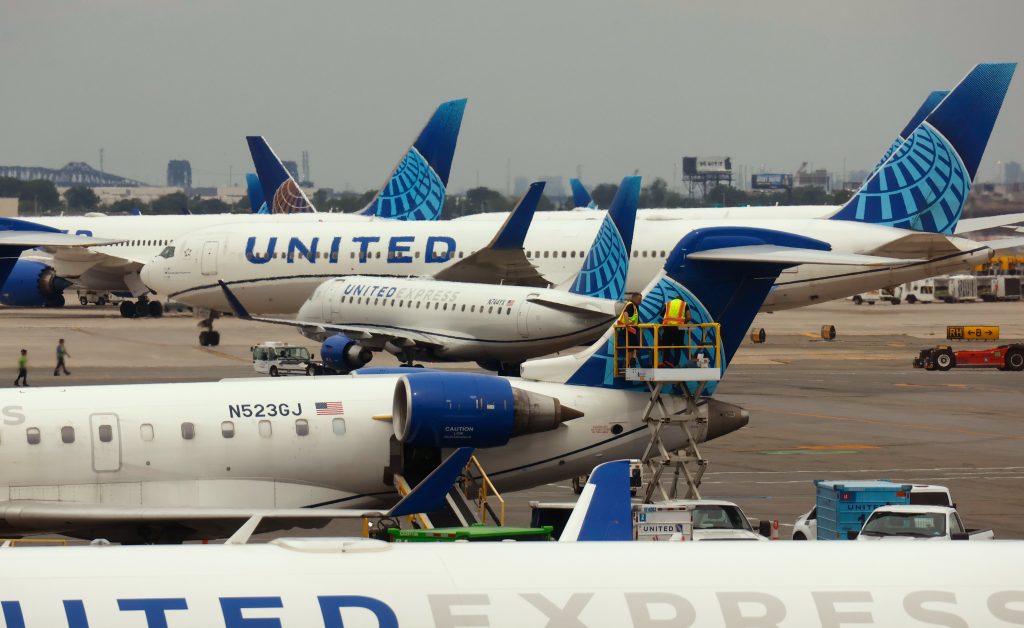
CHICAGO, United States, United Airlines has announced a comprehensive restructuring of its PremierPlus loyalty program, significantly raising the requirements for passengers to maintain elite status starting in early 2027. The shift marks a strategic pivot from purely spend-based qualifications to activity-based metrics, aligning the carrier with broader industry trends that prioritize high-frequency travelers.

Under the new framework, United will place greater weight on flight segments flown to reach Premier Gold and Platinum tiers. Previously, many travelers could qualify primarily through PremierPoints, which are earned based on ticket price and spend. The 2027 rules require members to complete a specific number of flights to unlock higher status benefits, regardless of the total expenditure on tickets.
This change is expected to reward business travelers who utilize the network frequently rather than those who purchase occasional expensive international tickets. By emphasizing segments, United aims to ensure that its elite tiers are occupied by passengers who provide consistent load factor across the fleet. This move is particularly impactful for those operating out of major US domestic hubs.
nThe restructuring comes at a time of intense competition within the United States domestic aviation market. American Airlines and Delta Air Lines have also adjusted their loyalty programs recently to balance spend with engagement. By tightening the criteria for its top status, United is effectively devaluing the existing elite pool while increasing the exclusivity of its premium service offerings.
Financial analysts suggest that this strategy could lead to short-term churn among high-spending individuals who may find the new segment requirements unattainable. However, the long-term benefit for the carrier lies in a more predictable customer base of frequent flyers who are integrated into the ecosystem through regular travel.
For the consumer, the 2027 transition necessitates a shift in travel planning. Travelers who previously relied on high-farefare purchases to maintain status must now increase their frequency of trips to secure lounge access and priority boarding. The airline has provided a significant lead time to allow loyalty members to adjust their travel strategies or migrate their business to competitors before the new rules take full effect.

Written by
Tumisang Bogwasi, Founder & CEO of Brimco. 2X Award-Winning Entrepreneur. It all started with a popsicle stand.


