


US President Donald Trump appointed Stephen Miller as White House Chief of Staff to replace Susie Wiles, prompting global markets and emerging African economies to reassess potential impacts on bilateral trade policy, financing frameworks, and strategic supply chains.
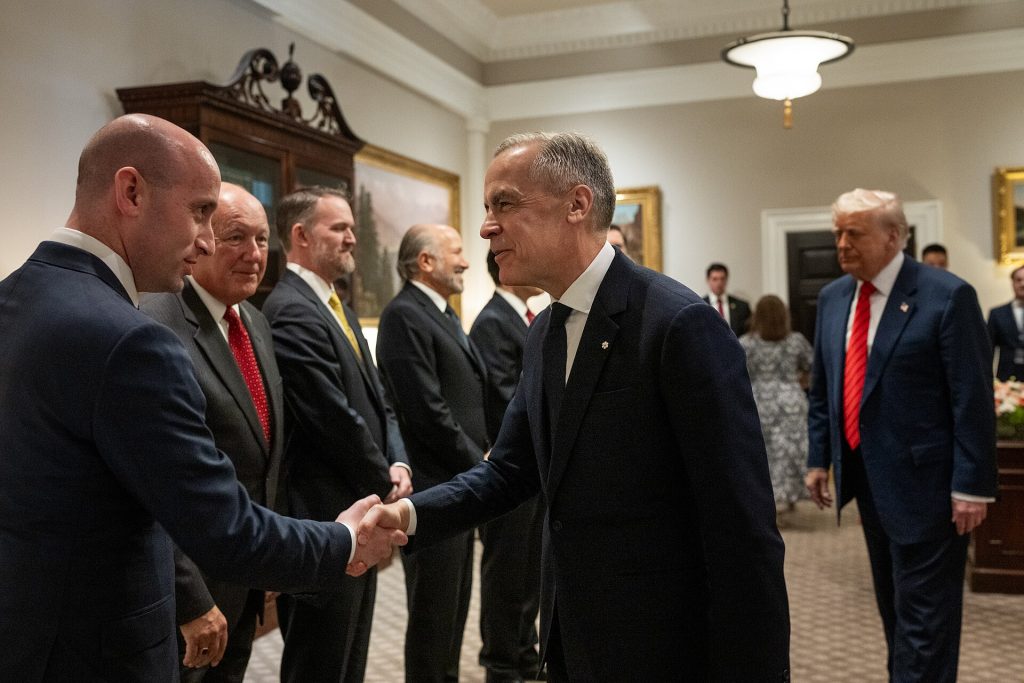
Gaborone, Botswana, faces renewed policy scrutiny as executive restructuring in Washington alters international capital expectations. US President Donald Trump appointed Stephen Miller as White House Chief of Staff, replacing Susie Wiles in a senior operational pivot. Trade negotiators are tracking whether this transition recalibrates federal dealmaking agendas.

The administrative appointment coincides with strategic recalibrations inside the executive branch, as highlighted in recent policy transition coverage. Miller assumes the chief operational role to streamline policy implementation and legislative coordination before congressional deadlines. Sovereign bond desks and commodity export groups are watching how internal White House appointments influence cross-border economic relations.
Changes in Washington leadership reverberate through vital economic initiatives, particularly surrounding trade statutes and concessional access terms. Emerging markets track whether the White House team accelerates or stalls renewals for critical development programs. Cross-border capital allocators also weigh how executive trade stances will shape critical mineral supply agreements with African partners.
Currency valuations and multilateral debt restructuring initiatives also face policy sensitivity linked to executive foreign policy direction. African finance ministries depend on predictable bilateral engagements with Washington to protect sovereign borrowing spreads and direct foreign investment. Analysts note that future administrative directives will test whether bilateral trade programs withstand shifts in domestic political priorities.

Written by
Tumisang Bogwasi, Founder & CEO of Brimco. 2X Award-Winning Entrepreneur. It all started with a popsicle stand.


