US CPI and falling Brent crude set a positive tone for African commodity markets, while easing inflation may calm volatility and support currency gains.
New York, May 15, 2024 – The New York Stock Exchange opened with investors eyeing U.S. CPI and Brent crude, both pivotal for global sentiment. African market participants closely tracked the data, anticipating effects on commodity prices, currency valuations, and risk appetite across the continent.

The U.S. CPI for April rose 3.5% year‑over‑year, a slight dip from March’s 3.6% and the lowest since early 2022 in the Bloomberg CPI report. The easing inflation may temper expectations for further Fed tightening. Johannesburg and Nairobi exchanges could see reduced volatility as investors reassess U.S. rate trajectories.
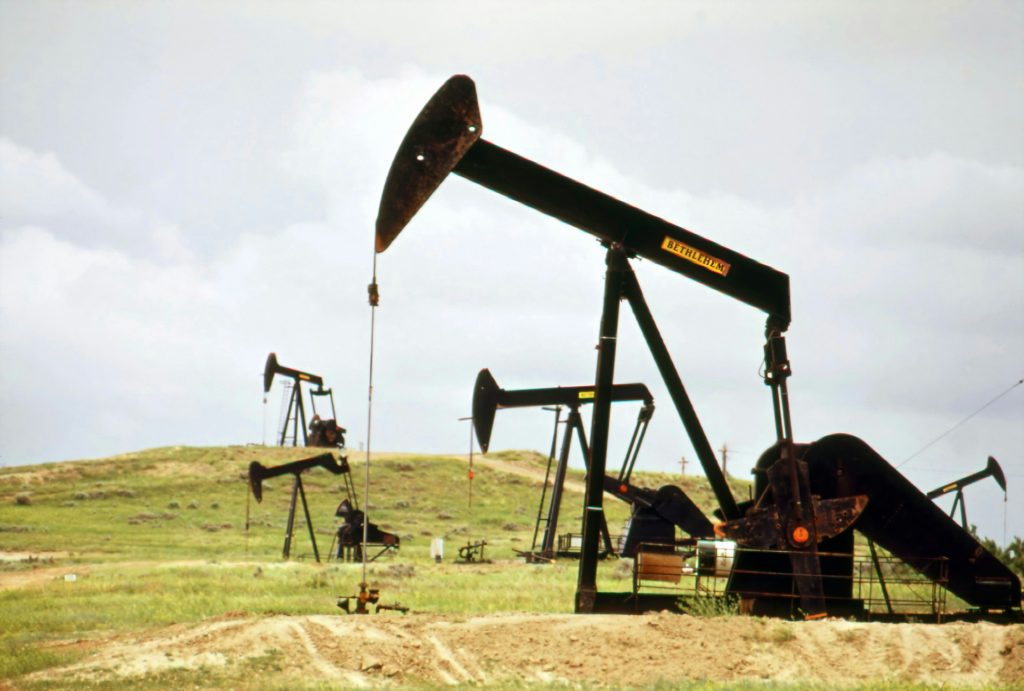
Brent crude settled at $82 per barrel, down from a $90 peak earlier in the month, per the Reuters energy update. The decline reflects increased global supply and a slowdown in demand from major economies. Lower import bills could benefit oil‑importing economies like Nigeria, while export‑reliant nations such as Angola may see modest revenue impacts.
The combination of easing inflation and falling oil prices is expected to lift sentiment for commodity‑heavy sectors in Africa. Mining and agriculture stocks on the Johannesburg and Lusaka exchanges may rally as commodity prices remain stable. Conversely, banks on Nairobi and Lagos exchanges could face pressure on interest‑rate spreads if the Fed slows its rate hikes.
The U.S. dollar is likely to weaken slightly against major African currencies, as lower inflation expectations reduce demand for dollar‑denominated assets. The South African rand and Kenyan shilling may gain modestly, supporting local borrowing costs and boosting consumer confidence. Investors should monitor currency markets closely, as dollar shifts cascade into import costs and inflation in African economies.
African investors should diversify exposure to commodity‑heavy assets while maintaining a balanced portfolio of financial services and consumer staples. Monitoring U.S. inflation releases and oil price trends will provide early signals of global risk sentiment.

Written by
Tumisang Bogwasi, Founder & CEO of Brimco. 2X Award-Winning Entrepreneur. It all started with a popsicle stand.