


U.S. lawmakers have requested the Federal Aviation Administration to conduct a comprehensive review of a proposed Amazon drone delivery hub in Massachusetts, citing concerns over flight safety and community impact.
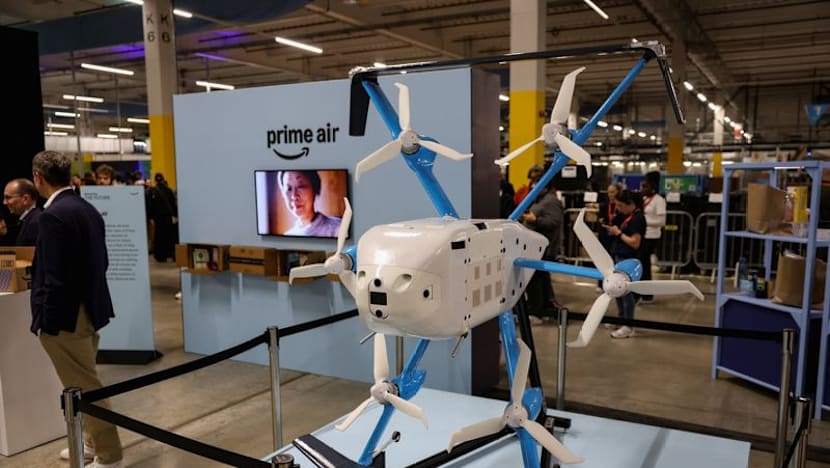
BOSTON, United States – Members of the United States Congress have formally petitioned the Federal Aviation Administration (FAA) to conduct a rigorous safety review of a proposed Amazon drone delivery hub located near Boston. The request comes as scrutiny mounts over the integration of commercial unmanned aerial vehicle (UAV) operations into densely populated suburban and urban corridors.
The proposed facility aims to expand Amazon’s Prime Air network, utilizing drones to facilitate rapid delivery of consumer goods. However, local and federal representatives expressed concerns regarding the potential for airspace congestion, noise pollution, and the privacy of residential areas. The FAA is now tasked with evaluating whether the infrastructure meets stringent federal safety standards required for large-scale drone operations.

nThe pushback from lawmakers reflects a wider global challenge facing the logistics sector as it scales. While technology firms like Amazon and Wing have invested billions in autonomous delivery, the regulatory framework for beyond visual line (BVL) operations remains complex. The FAA must balance the push for rapid technological innovation with the safety requirements of existing manned aviation and ground-level residents.
In the Asia-Pacific region, similar debates are emerging in major tech hubs. Countries such as Singapore, Japan, and South Korea are actively testing drone corridors, yet they face comparable hurdles regarding urban density and local noise regulations. The Boston case may serve as a precedent for how Western regulators handle the localized friction of high-tech logistics hubs.
If approved, the Amazon hub could signal a significant shift in last-mile delivery economics. By bypassing traditional ground-based courier networks, companies aim to reduce operational costs and carbon emissions per package. However, the immediate capital expenditure for drone infrastructure and the legal costs of compliance remain high factors affecting the long-term financial viability of these hubs in competitive metropolitan markets.

Written by
Tumisang Bogwasi, Founder & CEO of Brimco. 2X Award-Winning Entrepreneur. It all started with a popsicle stand.


