


Ukrainian President Volodymyr Zelenskyy rejected proposals by Donald Trump to lift sanctions on Russia, warning that easing economic pressure would compromise Western leverage and disrupt global market stability.
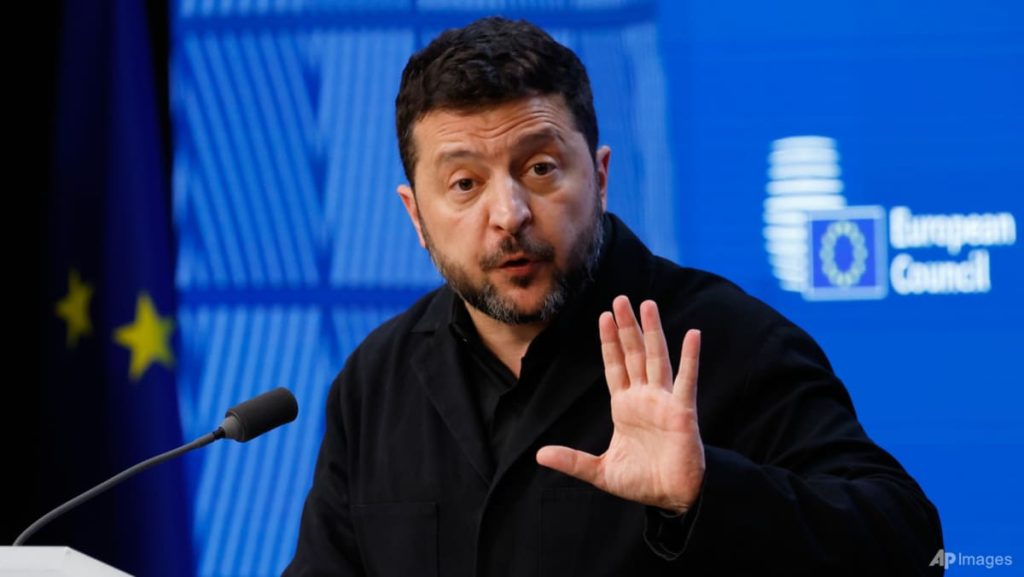
KYIV, Ukraine, Ukrainian President Volodymyr Zelenskyy criticized proposals by former US President Donald Trump to waive sanctions on Russia, warning the shift would undermine Western economic pressure against Moscow. The remarks come as allied governments assess the continuity of transatlantic capital curbs targeting Russian industrial revenues.

Zelenskyy characterized any relief from punitive measures as fundamentally flawed during a Channel NewsAsia report detailing transatlantic security concerns. Easing economic restrictions would signal weakened allied resolve, potentially allowing Moscow to rebuild operational capacity across critical theaters. Sustained penalties remain essential to restricting sovereign cash flows directed toward military manufacturing.
Sanctions enforcement remains a central pillar of Western efforts to degrade Russia’s military-industrial complex and constrain long-term state funding. Ukrainian officials argue that dismantling restrictions prematurely would compromise security guarantees and jeopardize diplomatic leverage. Any unilateral policy reversal in Washington would force European allies to reconsider their sovereign compliance frameworks.
Geopolitical shifts regarding Russian sanctions carry measurable consequences for Asian financial hubs and commercial lenders. Regional institutions in Japan and South Korea maintain strict compliance alignment with Western prohibitions to protect cross-border dollar clearing. A divergence in US policy would disrupt established trade compliance protocols and increase regulatory ambiguity for regional maritime operators.
Southeast Asian economies face ongoing volatility across energy benchmarks and agricultural inputs linked to Black Sea supply corridors. Importers across the ASEAN bloc must balance fuel procurement against potential exposure to secondary sanctions enforcement. Unpredictable adjustments in enforcement could destabilize local currency valuations and complicate sovereign debt management across emerging markets.

Written by
Tumisang Bogwasi, Founder & CEO of Brimco. 2X Award-Winning Entrepreneur. It all started with a popsicle stand.


