GroundUp reporters found goods moving through gaps in the border fence near Musina, as traders say official import taxes make the formal crossing too costly.
MUSINA, South Africa – High import duties on the Zimbabwean side of the Beitbridge crossing are keeping a large informal trade flowing around the official border post, GroundUp reporters found, even as farm owners say stray cattle are undermining efforts to contain foot-and-mouth disease.

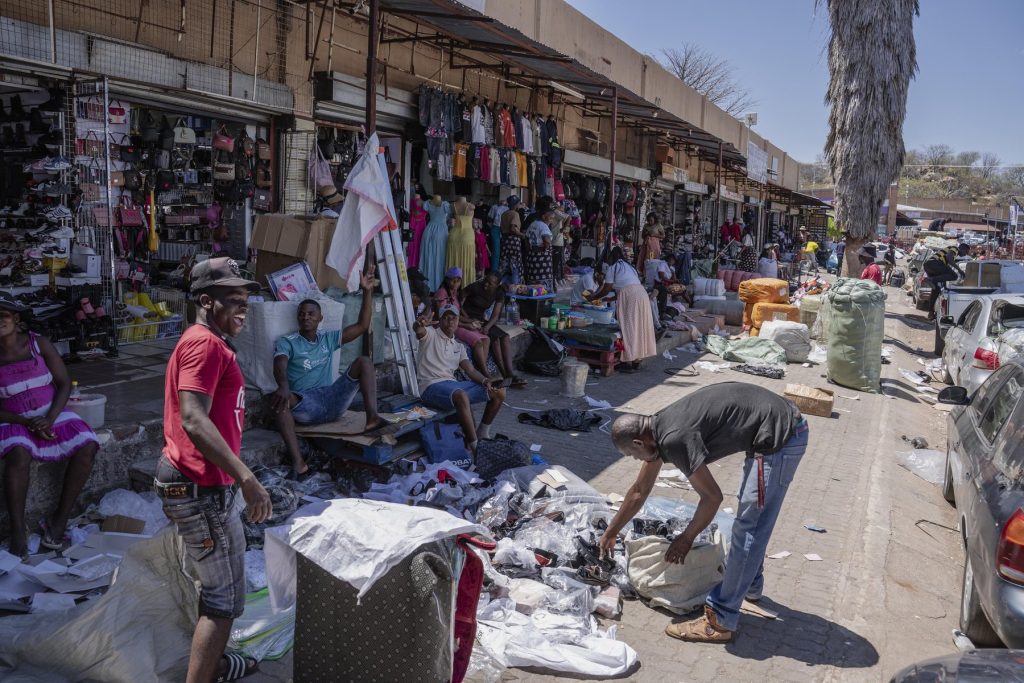
Musina, about 10 kilometres south of the border on the N1, is busy from early morning with travellers, traders and shops, GroundUp reported on Moneyweb. Many bakkies heading north are loaded with goods ordered by people in Zimbabwe.
Some vehicles use the official checkpoint. Many do not. Reporters who drove west along a dirt road found a small soldiers’ roadblock, then a large hole in the barbed-wire fence with a makeshift track down to the Limpopo River. Goods are taken across by raft, boat, or on foot or by donkey when the water is low, they wrote.
A woman in Musina connected to the trade said some shops open as early as 5am, that a truck can make five or more trips a day, and that chicken braai packs are in demand because they are expensive in Zimbabwe. A man who carries packages across the river said he generally charges R150 a load.
Buyers often avoid the official post because “import duties are exorbitant on the Zimbabwean side,” GroundUp said. One man told the reporters he bought a solar pump for R8,000 in South Africa, was supposed to pay R2,500 in official tax, and instead negotiated the payment down to R500, with no receipt.
It is often cheaper, the article said, to pay the people who move goods around the border than to go through customs.
Shopkeepers selling clothes and shoes in Musina said business is weaker than it was, because of many soldier roadblocks on the road to Harare where people have to pay “fees.” Some trade, they said, has shifted to other borders, including Zambia.
Hermanus Schoeman, a game-farm owner along the border, has had to close a farm in part because of uncontrolled animal traffic. “Cattle moving freely across the border, on a daily basis, cross into my farm, mix with local cattle. A big percentage have foot-and-mouth disease,” he told GroundUp.
He was sceptical that South Africa can get the epidemic under control while the crossings continue. That warning sits alongside Brimco’s reporting that the outbreak has already spread into South African wildlife.
GroundUp said the Border Management Authority, set up three years ago to co-ordinate the state’s response, has had a troubling audit and serious problems with corruption, and “is clearly failing to control the Beitbridge corridor.” A fence put up at large expense quickly developed holes once it was handed to the government, Schoeman said.
His lawyer, Hennie Erwee, is running a case to get the national government to fix the border.
The reporters also noted a tension: Musina’s economy has grown over decades around the porous frontier, and “tens of thousands of people probably depend on things being just the way they are.”

Written by
Tumisang Bogwasi, Founder & CEO of Brimco. 2X Award-Winning Entrepreneur. It all started with a popsicle stand.