The Africa Finance Corporation has committed USD 600 million to Dangote Fertiliser to significantly expand its production facilities in Nigeria, aiming to boost urea output and establish West Africa's first methanol plant, thereby enhancing regional food security and fostering industrialization.
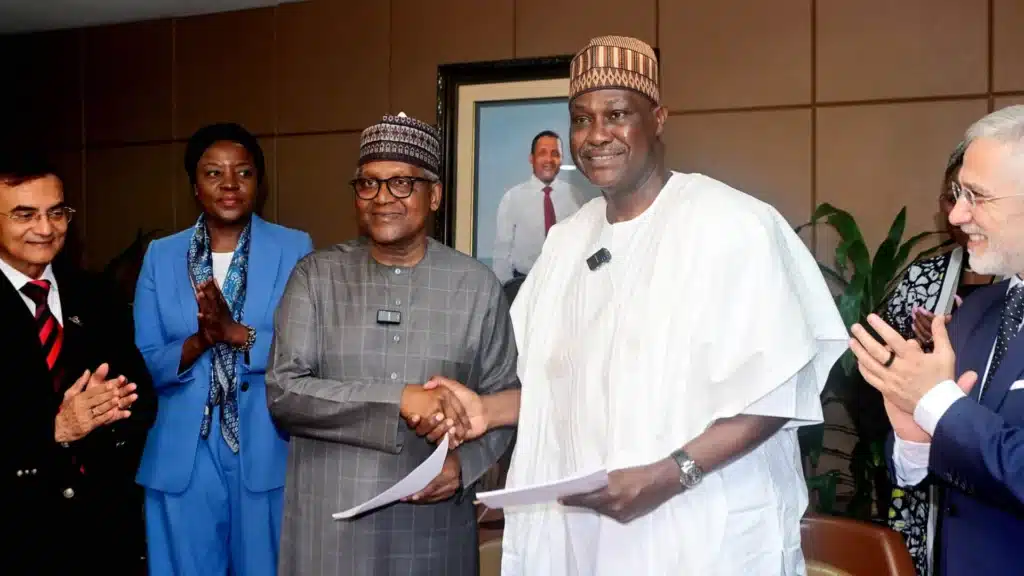
LAGOS, Nigeria – The Africa Finance Corporation (AFC) has committed USD 600 million to Dangote Fertiliser for a substantial expansion of its production facilities in Nigeria. This financing is designed to significantly enhance urea production capacity and facilitate the development of West Africa’s inaugural methanol plant, a strategic move to bolster the region’s agricultural output and industrial capabilities.
This investment highlights AFC’s ongoing commitment to fostering economic growth and self-sufficiency across the African continent. By expanding Dangote Fertiliser’s operations, the partnership aims to address critical needs in food production and industrial feedstock supply chains within Nigeria and the broader West African sub-region.

The expanded facilities are poised to substantially increase the availability of urea, a vital component in agricultural fertilizers. This increase is crucial for supporting crop yields and enhancing food security, a persistent challenge in many African nations. The investment is anticipated to reduce reliance on imported fertilizers, thereby conserving foreign exchange reserves and strengthening the local agricultural sector’s resilience.
The development of West Africa’s first methanol plant represents another pivotal aspect of this expansion. Methanol is a versatile chemical used in diverse industrial applications, including the production of plastics, solvents, and as a potential clean energy source. Establishing this plant locally will significantly reduce import dependency for these essential materials and foster downstream industrial development across the region.
This dual focus on agricultural and industrial inputs reflects a comprehensive strategy to build robust, self-sufficient supply chains. The move by AFC and Dangote Fertiliser addresses long-term development goals by creating foundational infrastructure for sustainable growth, as outlined by official statements.
The expansion project is projected to create numerous direct and indirect jobs across Nigeria, contributing significantly to economic development and poverty reduction. Furthermore, it is expected to stimulate ancillary industries and services, creating a multiplier effect across the broader economy. The AFC’s involvement signals strong confidence in Nigeria’s industrial potential and its capacity to serve as a regional hub for manufacturing and production.
This initiative aligns with broader African economic development agendas that prioritize industrialization, value addition to natural resources, and increased intra-African trade. By supporting large-scale manufacturing and production, AFC and Dangote Fertiliser are contributing to a more resilient and diversified regional economy. The project’s success could serve as a model for future industrial development initiatives across the continent, attracting further investment and fostering technological transfer.
West Africa stands to benefit significantly from this strategic investment, which directly addresses critical vulnerabilities in its agricultural and industrial sectors. Enhanced local production of urea will provide farmers with more accessible and affordable fertilizers, directly impacting food production and price stability across the sub-region. This fosters greater self-reliance and reduces exposure to volatile global commodity markets.
The establishment of a domestic methanol production facility will spur the growth of various downstream industries, from plastics to pharmaceuticals, within West Africa. This creates new opportunities for industrial diversification and value chain development, moving the region away from reliance on raw material exports. Ultimately, the project strengthens regional economic integration and positions West Africa for more sustainable and independent growth.

Written by
Tumisang Bogwasi, Founder & CEO of Brimco. 2X Award-Winning Entrepreneur. It all started with a popsicle stand.