The Bank of Thailand maintained its benchmark interest rate at 2.50% on April 10, 2024, a widely anticipated move reflecting a focus on economic recovery rather than aggressive inflation targeting. This decision aligns with broader trends of monetary policy stability across several key Asian economies, including India, Singapore, Japan, and South Korea, as regional central banks navigate varying domestic growth and inflation dynamics.
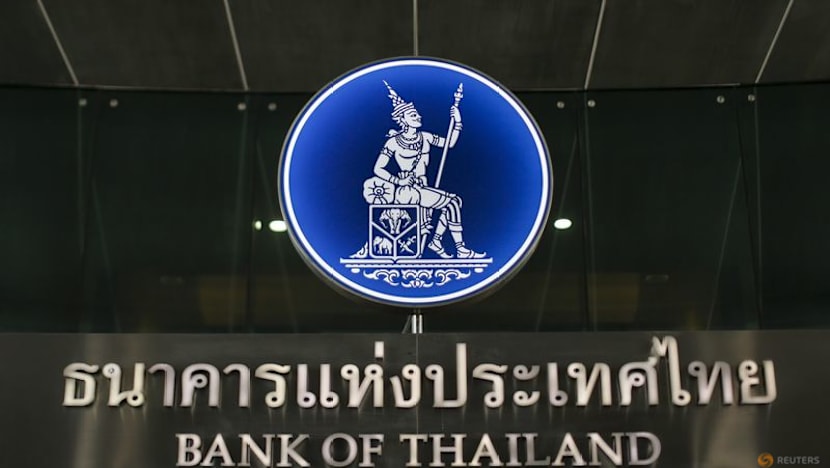
Bangkok, Thailand – The Bank of Thailand (BOT) held its key policy interest rate steady at 2.50% on April 10, 2024, a decision largely anticipated by financial markets and economists. This move signals the central bank’s focus on supporting nascent economic growth while acknowledging easing inflationary pressures.
The Monetary Policy Committee (MPC) voted unanimously to keep the one-day repurchase rate unchanged, marking a pause in rate adjustments that began in September 2023. The decision comes as the BOT lowered its economic growth forecast for 2024, citing weaker-than-expected exports and a slowdown in government spending.

Thailand’s stable monetary stance reflects a broader cautious approach by central banks across Asia as they navigate a complex global economic environment. While the Bank of Japan has recently begun to shift away from negative interest rates, other major Asian economies, such as India and South Korea, have largely held their rates steady in recent periods, balancing inflation control with growth objectives. Singapore’s monetary authority, MAS, manages policy through exchange rates, also maintaining a vigilant stance on inflation while ensuring economic stability.
This regional pattern suggests a preference for policy continuity amid global uncertainties, including geopolitical tensions and fluctuating commodity prices. Central banks in Tokyo, Mumbai, and Seoul are closely monitoring local inflation trends, domestic demand, and external economic conditions. The Bank of Korea, for example, has maintained its benchmark rate at 3.50% since January 2023, signaling a similar wait-and-see approach.
The Bank of Thailand’s revised growth projection for 2024 now stands at 2.6%, down from a previous estimate of 2.8%, indicating persistent headwinds for the Thai economy. Exports, a key growth driver, have struggled amid global demand softness, while government budget delays have impacted public investment. However, a strong recovery in tourism continues to provide significant support, underpinning domestic consumption.
This economic backdrop is mirrored in parts of Southeast Asia, where economies are grappling with similar challenges. While tourism has provided a significant boost for some, others are contending with subdued global trade and domestic policy uncertainties. The Association of Southeast Asian Nations (ASEAN) collectively faces the task of fostering resilient growth pathways amidst these pressures, with monetary policy playing a crucial role in maintaining stability and encouraging investment.
For investors eyeing Asian markets, the Bank of Thailand’s decision underscores a trend towards policy predictability in major regional economies. Stable interest rates in Thailand, coupled with cautious stances in nations like India and South Korea, can offer a degree of certainty for foreign direct investment (FDI) and capital allocation. Financial centers such as Singapore and Mumbai remain critical hubs for capital flows, where policy decisions in neighboring countries can influence market sentiment and currency movements.
While the Thai baht (THB) may experience short-term fluctuations, the underlying policy stability can reassure long-term investors. Divergent policy paths, such as Japan’s gradual normalization compared to steady rates elsewhere, create arbitrage opportunities and necessitate careful analysis of individual market fundamentals. Ultimately, investors will continue to monitor central bank communications for signals on future policy adjustments, particularly as global economic conditions evolve.

Written by
Tumisang Bogwasi, Founder & CEO of Brimco. 2X Award-Winning Entrepreneur. It all started with a popsicle stand.