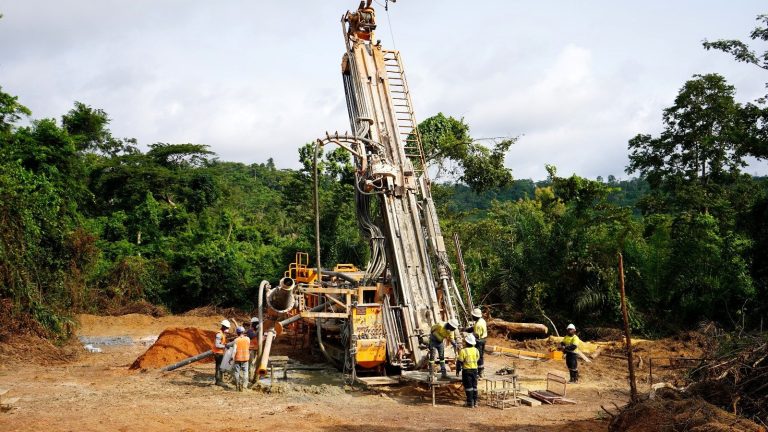
BHP says four projects could lift Copper South Australia to 650,000 tonnes a year by 2040, funded from its copper cash flows.

ADELAIDE, Australia: BHP plans to spend up to $17.4 billion to roughly double copper output from its South Australian operations by 2040. The world’s largest copper miner set out the plan to investors on a site tour on 23 November.

The company says four projects could lift Copper South Australia to about 500,000 tonnes a year by 2035 and up to 650,000 tonnes by 2040.
Output was 321,000 tonnes in the 2026 financial year, according to its presentation.
“We start from a strong position as the world’s largest copper producer, with a sector-leading growth pathway that can be funded from existing copper cash flows,” Geraldine Slattery, BHP’s head of Australian operations, told investors, according to Reuters.
BHP’s filing with the US Securities and Exchange Commission breaks the spending into four stages, worth $13.6 billion to $17.4 billion in total:
Reuters reported a first investment decision “in the first half of next year”. BHP’s own filing shows the earliest decision, on the smelter, in the second half of 2027, and Brimco has used the filing’s dates.

Source: BHP Group SEC Form 6-K and Reuters, 23 Nov 2026. Figures are company targets.
BHP said block caving, a bulk underground mining method, and two-stage smelting should cut operating costs sharply.
It expects global copper demand to grow 30% to more than 45 million tonnes a year by 2040, driven by electrification and AI.
The region has been hard going.
UBS said BHP’s South Australian operations have struggled with unstable operations, complex ore and water and power constraints, Reuters reported. The plan includes a pipeline of about 360 km for the Northern Water project, with first water in the 2032 financial year.
For engineering, power and water contractors, this is a decade of work with dated decision points. The smelter decision in late 2027 and the Carrapateena decision in 2028 are the first big contract windows.
For African copper projects, the plan raises the bar. Developers in Botswana’s Kalahari Copper Belt, such as MMG’s Khoemacau and NexMetals at Selebi, and Zambian groups such as ZCCM-IH, will be competing for the same investors against a large, self-funded pipeline in a low-risk jurisdiction.

Written by
Nonofo Joel, a Business Analyst at Brimco, has a passion for mineral economics and business innovation. He also serves on the Lehikeng Board as a champion of African human capital growth.