Botswana's listed property sector is experiencing a divergence in performance, driven by rising interest rates and mounting pressure on property valuations. Higher borrowing costs and inflation concerns are impacting earnings and capitalisation rates for real estate investment trusts (REITs) and property companies on the Botswana Stock Exchange (BSE).
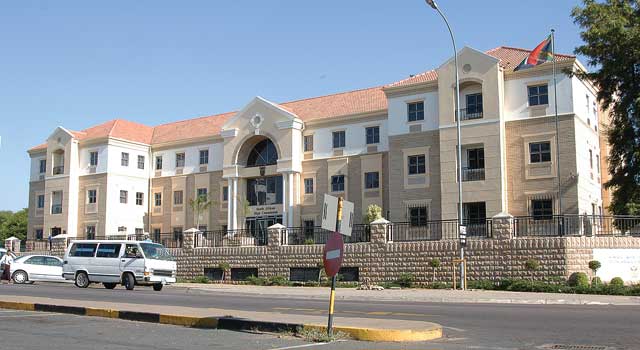
GABORONE, Botswana – Botswana’s listed property sector faces increasing scrutiny as rising interest rates and evolving valuation methodologies exert pressure on company earnings and investor returns. This financial environment has led to a noticeable split in performance among firms listed on the Botswana Stock Exchange (BSE). Investors are observing varied impacts on capitalisation rates and discount rates, key metrics for assessing property investment viability.
The Bank of Botswana has maintained a tight monetary policy stance, with its Monetary Policy Committee (MPC) holding the Policy Rate at 2.40% in June 2024 to curb inflation, as reported by Bank of Botswana[](). This sustained high interest rate environment directly affects property financing costs and influences investor expectations regarding future returns, leading to a re-evaluation of property asset values across the board.

The shift in market conditions has created a challenging environment for property companies. High interest rates increase the cost of debt for property developments and acquisitions, consequently compressing profit margins.
Additionally, the methodology used to value properties, specifically capitalisation rates and discount rates, is under review. These rates, which convert a property’s income into its market value, are being adjusted upwards to reflect the increased risk and cost of capital, potentially leading to lower valuations for existing portfolios.
Rental growth has remained subdued in key segments, while vacancy rates show signs of increasing in certain commercial and retail properties. This combination of static rental income and higher operational costs, exacerbated by inflationary pressures, directly impacts the net operating income of property assets. Consequently, this affects the distributable earnings for shareholders of listed property vehicles.
The performance of Botswana’s listed property sector holds broader implications for the national economy and regional capital markets. As a significant component of the Botswana Stock Exchange, the property sector’s health can influence overall market sentiment and investor confidence. A sustained period of pressure could lead to reduced investment in new construction projects, affecting job creation and economic growth.
The Pula’s stability, influenced by the Bank of Botswana’s monetary policy, plays a crucial role. Any significant shifts in the currency’s value or the central bank’s rate decisions could further alter investment attractiveness. Furthermore, the property sector’s reliance on domestic and regional capital highlights the interconnectedness of Southern African financial markets, with cross-border investors closely monitoring developments in Gaborone for signals of broader economic trends.
Companies may respond by strategically divesting non-performing assets, seeking to consolidate portfolios, or exploring alternative financing structures to mitigate the impact of current market headwinds. This could include a focus on core assets with strong tenant covenants or a pivot towards niche property segments demonstrating resilience against prevailing economic conditions.

Written by
Tumisang Bogwasi, Founder & CEO of Brimco. 2X Award-Winning Entrepreneur. It all started with a popsicle stand.