Los Angeles Lakers controlling owner Jeanie Buss has rejected attempts by her siblings to sell portions of the franchise family stake to media executive Bob Iger and investor Joshua Kushner.
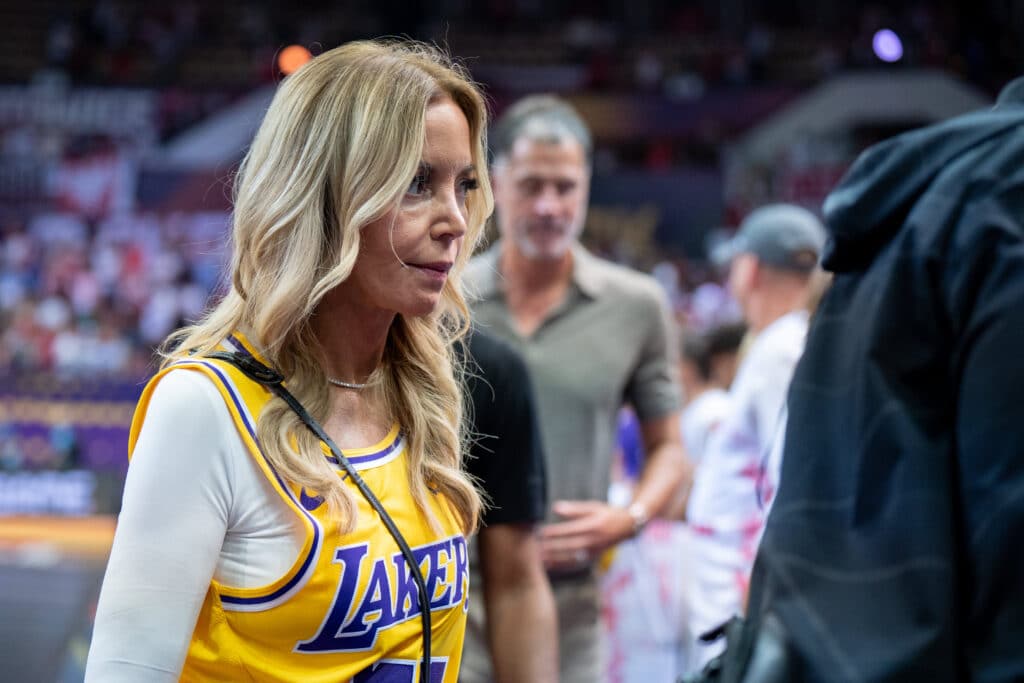
LOS ANGELES, United States – Los Angeles Lakers Governor and controlling owner Jeanie Buss has formally opposed a proposed transaction by her siblings to divest a portion of the family equity stake to high profile investors Bob Iger and Joshua Kushner, according to CNBC reporting. The development introduces governance friction within one of the most storied franchises in North American professional sports, spotlighting private equity valuations and ownership stability across the National Basketball Association.

The ownership architecture of the Los Angeles Lakers traces back to the late Dr. Jerry Buss, who acquired the franchise in 1979. Following his passing, control of the team was placed into a family trust, with Jeanie Buss serving as the controlling governor representing the sibling collective. Under the established trust agreements, individual siblings retain certain rights to dispose of their economic interests, but major structural changes and transfers require strict adherence to league rules and family governance frameworks.
Financial analysts tracking professional sports valuations note that NBA franchise multiples have expanded significantly over the past decade. Recent transactions, including the NBA official franchise data, demonstrate that teams routinely command valuations exceeding USD 4 billion to USD 6 billion. External interest from prominent figures such as former Disney Chief Executive Officer Bob Iger and Thrive Capital founder Joshua Kushner underscores the enduring appeal of premier sports assets as institutional investment vehicles.
For Wall Street and private equity firms eyeing sports ownership, the situation highlights the complexities of generational wealth transfer and minority shareholder rights. While external capital stands ready to acquire minority positions at record valuations, entrenched family governance models frequently prioritize operational control and legacy protection over immediate liquidity events for individual beneficiaries.
The stance taken by Jeanie Buss ensures that the operational direction of the franchise will remain insulated from external equity dilution for the foreseeable future. Industry observers await further filings with the league office to determine whether the sibling group will pursue alternative buyers or challenge the governance restrictions within legal parameters.
The dispute underscores broader capital allocation trends within the United States sports economy, where alternative asset managers increasingly seek exposure to cash generating media properties. As interest rates influence borrowing costs for leveraged buyouts, direct equity participation by ultra high net worth individuals remains a preferred vehicle for sports ownership entry.
At the same time, the macroeconomic resilience of the sports entertainment sector continues to attract institutional capital despite broader pressures on commercial real estate and traditional media networks. The resolution of the Buss family equity dispute will serve as a bellwether for how legacy sports franchises manage succession planning amid surging market valuations.

Written by
Tumisang Bogwasi, Founder & CEO of Brimco. 2X Award-Winning Entrepreneur. It all started with a popsicle stand.