Darden Restaurants (DRI) reported fourth-quarter 2026 earnings that surpassed analyst expectations, driven by strong performance from its LongHorn Steakhouse brand. Despite the overall beat, growth at its flagship Olive Garden chain significantly weakened, signaling shifting consumer dining preferences.
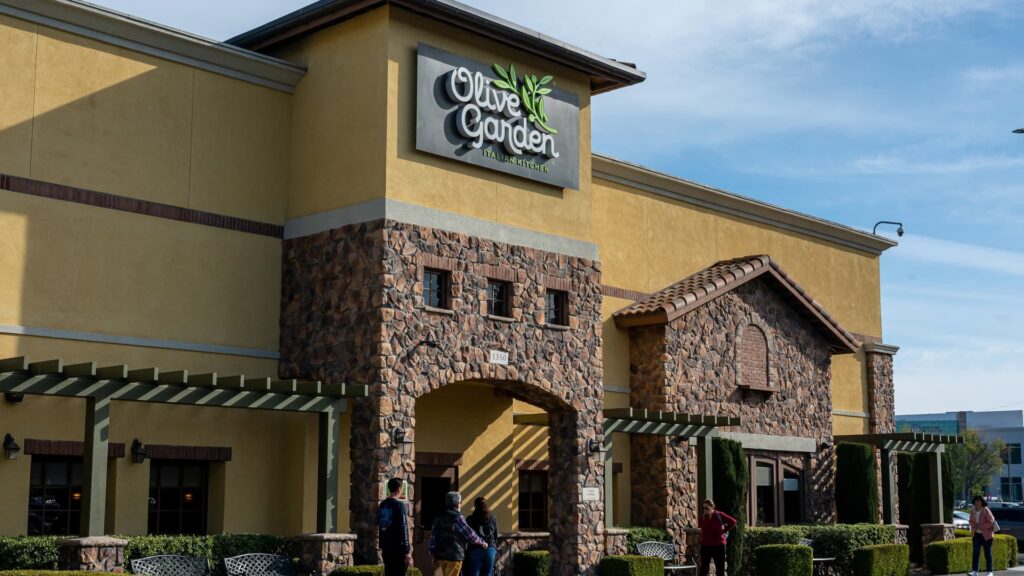
Washington, United States – Darden Restaurants Inc. (NYSE: DRI) exceeded Wall Street’s profit and revenue forecasts for its fiscal fourth quarter of 2026, though a noticeable deceleration in comparable sales growth at Olive Garden tempered the positive results. The Orlando-based casual dining giant posted adjusted earnings per share (EPS) of $2.68, outperforming analyst consensus estimates of $2.60, with total revenue reaching $2.95 billion against projections of $2.90 billion, according to financial data compiled by CNBC.
However, the company’s largest brand, Olive Garden, experienced a slowdown, with comparable sales increasing by only 0.8% in the quarter. This performance falls below the 1.5% growth anticipated by analysts and represents a notable decline from previous periods, as detailed in Darden’s Q4 2026 Earnings Release.

LongHorn Steakhouse emerged as a key growth driver for Darden, reporting a robust 4.2% increase in comparable sales during the quarter. This strong showing indicates continued consumer demand for its grilled offerings, contributing significantly to Darden’s overall financial health. Other brands within Darden’s portfolio, including Cheddar’s Scratch Kitchen and The Capital Grille, also contributed positively to the company’s top line.
Analysts are closely watching Darden’s ability to manage costs amid persistent inflationary pressures on food and labor. The company has implemented various operational efficiencies and pricing strategies to mitigate these challenges, aiming to protect profit margins while maintaining value for consumers. Management provided a cautious outlook for the upcoming fiscal year, citing macroeconomic uncertainties and potential shifts in discretionary consumer spending.
The mixed earnings report from Darden Restaurants provides a nuanced perspective on the state of consumer spending in the United States. The slowdown at Olive Garden, a bellwether for the casual dining segment, suggests that middle-income consumers may be becoming more selective with their discretionary expenditures. This trend could influence broader economic sentiment and investment strategies across the retail and hospitality sectors.
Investors on Wall Street will be evaluating whether strong performances from higher-end or more specialized brands like LongHorn Steakhouse can consistently offset potential softness in mass-market casual dining. The Federal Reserve’s future monetary policy decisions, particularly regarding interest rates, could further impact consumer borrowing and spending habits, directly affecting companies like Darden. The report underscores the importance of diversified brand portfolios in navigating evolving market conditions.

Written by
Tumisang Bogwasi, Founder & CEO of Brimco. 2X Award-Winning Entrepreneur. It all started with a popsicle stand.