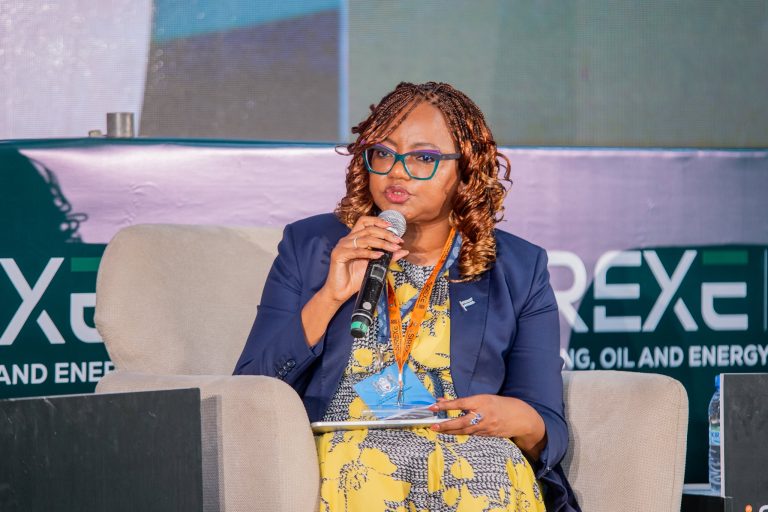
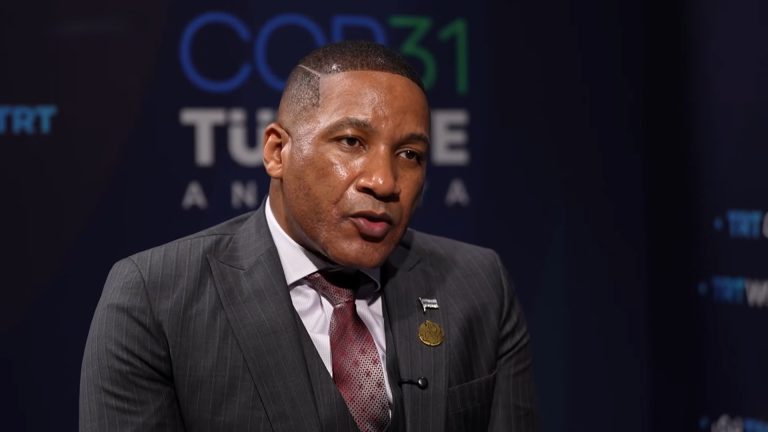
Debswana's Chief of Operations, Koolatotse Koolatotse, invited African countries to use Botswana's mining skills at SIREXE 2026 in Abidjan. He pointed to the Jwaneng Underground Project's 10 kilometres of development and said Botswana wants to 'pay back Africa'.
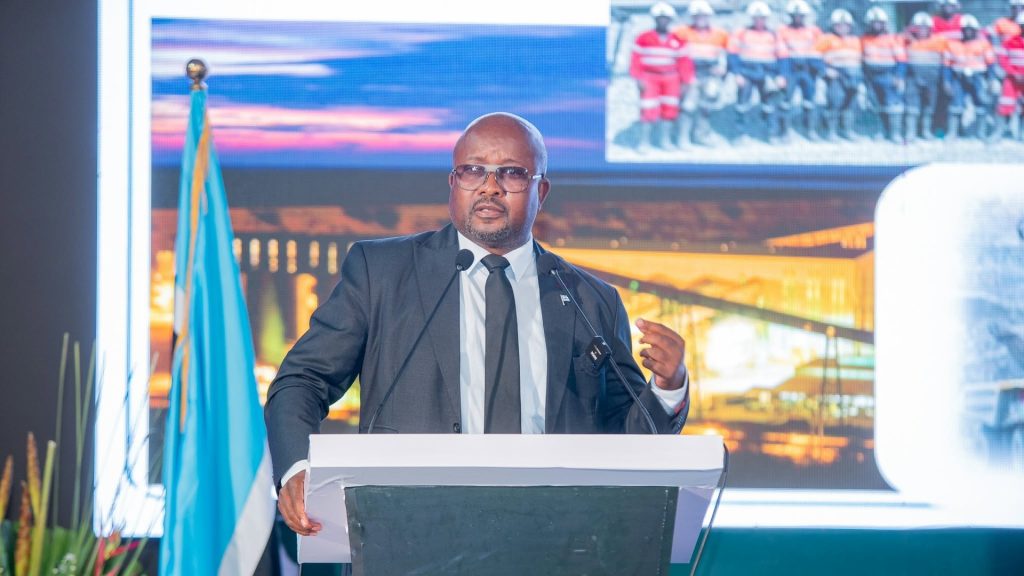
ABIDJAN, Côte d’Ivoire: Debswana Chief of Operations Koolatotse Koolatotse has called on African countries to use Botswana’s mining skills to develop their own mineral resources, in a speech at SIREXE 2026 in Abidjan, Debswana said in a Facebook post on 20 November. He described the country’s miners as “human diamonds” who can support any mining operation on the continent.

Source: Debswana Diamond Company (Facebook, 20 and 21 November 2026), Mmegi, Mining Weekly.
Koolatotse said Botswana is ready to invest the mining expertise it has built over more than five decades, according to Debswana’s post. He told delegates that Botswana has highly skilled mining professionals who can support any mining operation on the continent.
“We call upon you to invite Batswana to come to your mines,” he said, in the words Debswana published. “They are there at your disposal, so please come.”
SIREXE, the international exhibition of extractive resources and energy, runs from 18 to 22 November at the Abidjan Exhibition Centre, according to the Team France Export event listing. Botswana is the country of honour, as Brimco reported from President Duma Boko’s address.

In a second post, Debswana quoted Koolatotse saying “We are not self-made”. He paid tribute to mining professionals from Zambia, Zimbabwe and South Africa who brought their skills to Botswana in the early years of its mining industry.
“The Zambians came in with an experience they brought from the Copperbelt and blessed us with wisdom, intelligence and passion,” he said. “We want to pay back Africa,” he added, according to Debswana.
Koolatotse named safety and sustainability, productivity and efficiency, and viability. “Anything else is cosmetics,” he said, according to Debswana.
On safety, he said Debswana’s Total Recordable Injury Frequency Rate is the lowest against the international mining benchmark. Debswana’s post gives no figure for the rate, and we found no published number to check it against.
On productivity, he cited the Jwaneng Underground Project, which he said has achieved 10 kilometres of underground development in a record two and a half years. Mmegi reported that the project has reached 10,000 metres of development after work began in May 2024, which agrees with the distance and, on our calculation, with the time. We found no source that calls it a record.
On viability, he said Jwaneng is “the most viable mine in the world” and that Orapa also ranks among the top most viable mines. Both are the COO’s own assessments, with no ranking cited. Mmegi reported that open-pit production at Jwaneng’s Cut 9 runs to 2033 and that the underground project is meant to sustain revenue after that.

Koolatotse said diamonds have helped transform Botswana through investment in education, healthcare and infrastructure. “There was a time when our children attended school under trees and our hospitals operated from tents. Now we have proper schools and hospitals,” he said, according to Debswana.
He closed by saying Africa is rich in minerals and that countries across the continent have different strengths and experience that can benefit one another.
The offer is for expertise, not a funded project. Neither Debswana post names a country, contract or price, so there is nothing yet for suppliers or mining-services firms to bid on.
It follows a similar pitch in February. Mining Weekly reported that Koolatotse told Mining Indaba that Debswana wants to put its technical skills, systems and workforce behind projects where partners hold mineral assets but lack mining expertise. Brimco has also reported that Côte d’Ivoire is asking Botswana for help to find its diamond source rock, one of the first signs of demand.
SIREXE runs until 22 November. Debswana has not announced any agreement from the visit, and its posts do not say which countries have shown interest. We will update this story if it does.
People in this story: Duma Gideon Boko

Written by
Tumisang Bogwasi, Founder & CEO of Brimco. 2X Award-Winning Entrepreneur. It all started with a popsicle stand.