Critical ground station infrastructure in Spain avoided wildfire damage during July, testing automated cloud failover protocols and highlighting enterprise software resilience.
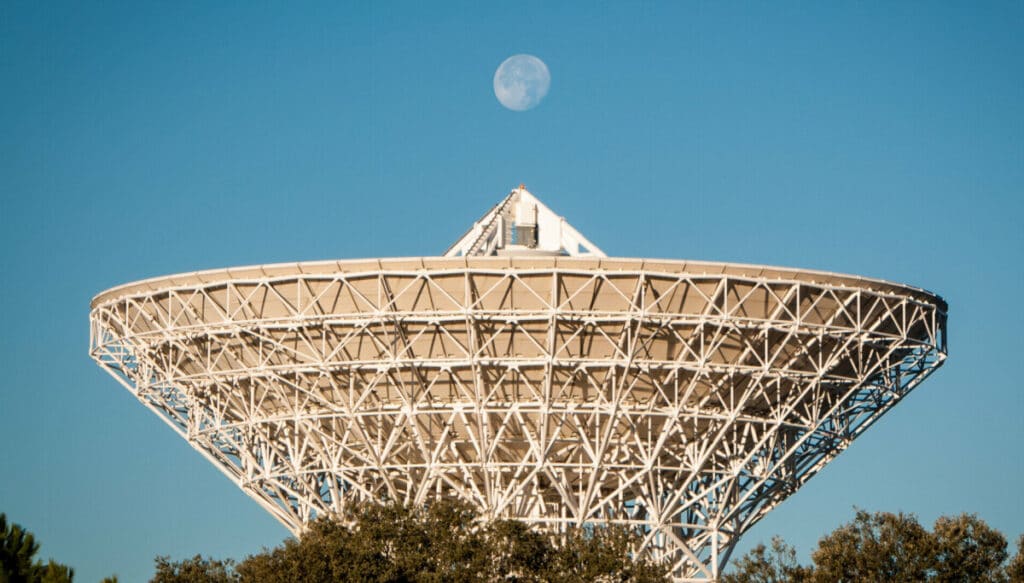
MADRID, Spain – Critical ground station infrastructure operated by international space agencies avoided structural destruction as severe wildfires swept through central regions of the Iberian Peninsula during the week of July 15, according to regional emergency response filings. The threat to key telemetry tracking hubs highlights the growing vulnerability of terrestrial software platforms and cloud data links supporting deep space missions.

The threatening blazes prompted immediate activation of automated disaster recovery systems across local data pipelines. Telemetry software platforms managing interplanetary missions shifted to redundant cloud architecture when local power distribution networks experienced temporary drops. System administrators utilized automated provisioning tools to redirect communication streams through secondary ground stations in other European jurisdictions.
Industry analysts note that modern space exploration depends heavily on uninterrupted software connectivity. The European Space Agency maintains strict operational guidelines for ground segment security, mandating continuous data ingestion protocols even during severe environmental crises. Automated Kubernetes clusters and edge computing nodes played a central role in maintaining uninterrupted links with orbiting spacecraft.
The incident places renewed focus on the physical security of telecommunications assets across Southern Europe. Regional network operators face rising capital expenditure requirements to harden physical facilities against climate induced hazards. Insurance underwriters are adjusting risk models for critical infrastructure assets located in high hazard zones.
Capital allocation strategies among aerospace suppliers now prioritize decentralized software architectures over centralized physical hubs. Enterprise software vendors specializing in resilient cloud orchestration anticipate increased procurement demand from public sector space programs seeking robust failover mechanisms. Market participants expect tighter regulatory mandates regarding physical and digital redundancy for critical communication networks.
Watch: Reporte de emergencia ¿Qué pasa con las Estaciones de la NASA y la ESA? Incendios en España

Written by
Tumisang Bogwasi, Founder & CEO of Brimco. 2X Award-Winning Entrepreneur. It all started with a popsicle stand.