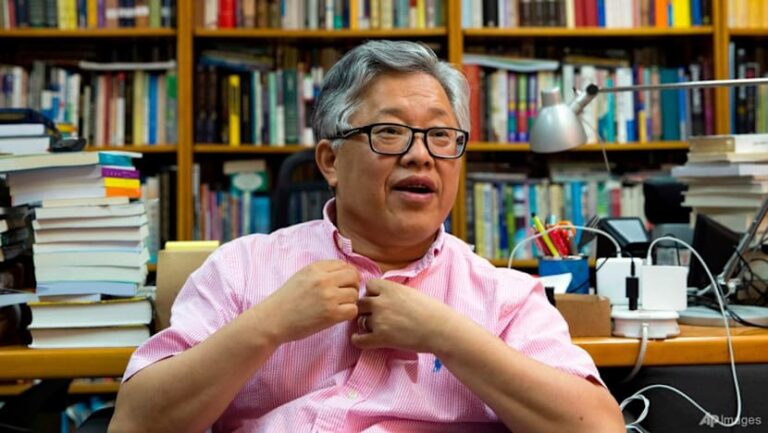
Hong Kong's de facto central bank chief, Eddie Yue Wai-man, has urged the city's financial sector to prepare for significant emerging risks, including a potential artificial intelligence (AI) bubble and the long-term threat of quantum computing. Concurrently, the Hong Kong Monetary Authority (HKMA) remains committed to expanding the global reach of the yuan, reinforcing the city's role as a vital offshore Renminbi hub.
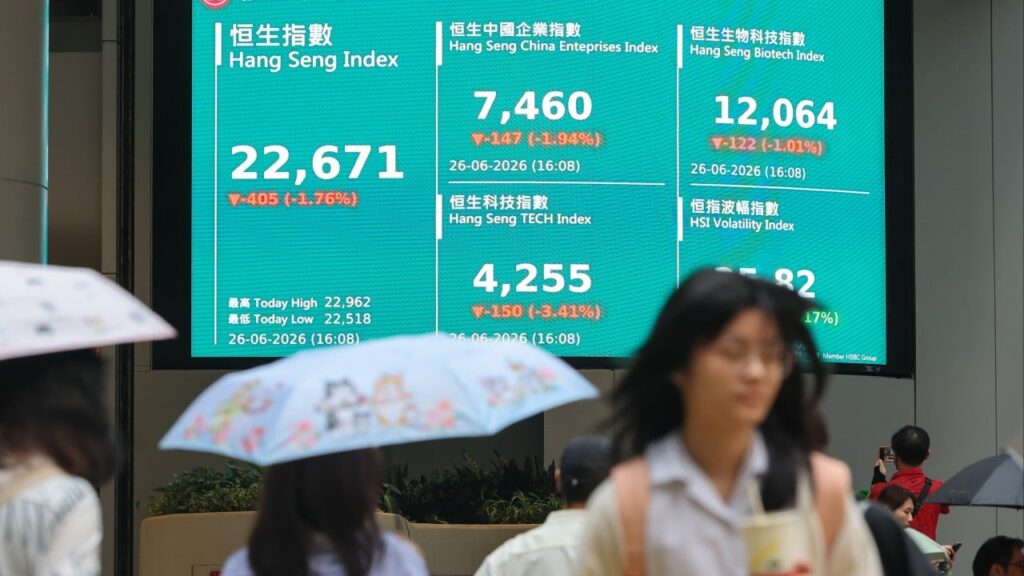
HONG KONG, CHINA – Hong Kong’s de facto central bank chief, Eddie Yue Wai-man, has urged the city’s financial sector to prepare for significant emerging risks including an artificial intelligence (AI) bubble and the long-term threat of quantum computing. Mr. Yue, Chief Executive of the Hong Kong Monetary Authority (HKMA), also affirmed the regulator’s strategic commitment to expanding the internationalization of the yuan, also known as the renminbi, in the coming years. His remarks underscore a dual focus on technological vigilance and currency strategy for Hong Kong’s financial future.

The HKMA’s warning regarding an AI bubble reflects growing concerns across global financial markets about the rapid, sometimes speculative, valuation growth of technology companies deeply invested in artificial intelligence. Mr. Yue indicated that while AI presents substantial opportunities for innovation and efficiency, the current market euphoria could lead to unsustainable asset prices. Such a scenario could pose a risk to financial stability within Hong Kong’s highly integrated and globally exposed market.
Addressing another layer of technological disruption, Mr. Yue detailed the potential of quantum computers to compromise existing cryptographic standards. These advanced machines, once fully realized, could undermine the security protocols that protect financial transactions and sensitive data globally. The HKMA, as stated in its Financial Stability Review, intends to proactively monitor advancements in quantum technology. This vigilance aims to ensure Hong Kong’s financial infrastructure remains robust and secure against these evolving, long-term threats.
Complementing its focus on risk management, a key strategic objective for the HKMA involves the continued internationalization of the yuan. Hong Kong has consistently served as the world’s largest offshore yuan business hub, facilitating cross-border trade settlement, financing, and investment. Efforts spearheaded by the HKMA aim to deepen liquidity in offshore yuan markets and expand the range of yuan-denominated financial products available, further cementing Hong Kong’s role as a vital financial bridge between mainland China and global markets.
Hong Kong’s dual approach to managing technological risks and advancing currency internationalization holds significant implications for China’s broader financial strategy and the stability of the Asia-Pacific region. By mitigating potential market disruptions from an AI bubble, Hong Kong helps insulate interconnected mainland Chinese markets and regional economies from volatility. Furthermore, safeguarding financial systems against advanced cyber threats ensures long-term trust in regional digital finance.
The HKMA’s intensified push for yuan internationalization directly aligns with Beijing’s long-term economic goals. Increased global acceptance and usage of the yuan can diminish reliance on other major reserve currencies, enhance China’s financial sovereignty, and support trade and investment flows, particularly within the Belt and Road Initiative framework. This strengthens Hong Kong’s unique position as a crucial facilitator of China’s global financial integration, benefiting financial institutions operating across the region.
This strategic oversight by the HKMA, encompassing both proactive risk mitigation for technological shifts and assertive promotion of the yuan, is critical for Hong Kong to sustain its competitive edge. The measures taken are designed to ensure the city remains a resilient and attractive international financial center amid evolving global economic and technological landscapes.

Written by
Tumisang Bogwasi, Founder & CEO of Brimco. 2X Award-Winning Entrepreneur. It all started with a popsicle stand.