Beijing, China - Pastor Ezra Jin Mingri, a prominent Chinese religious leader, has been released from detention weeks after a direct request for his freedom by U.S. President Donald Trump. His release follows a significant crackdown on the Zion Church in Beijing, which saw Jin Mingri and 17 other leaders detained in October. This development underscores the complex interplay of human rights, religious freedom, and high-level diplomatic pressure in U.S.-China relations, with potential implications for regional stability and investment sentiment across Asia.
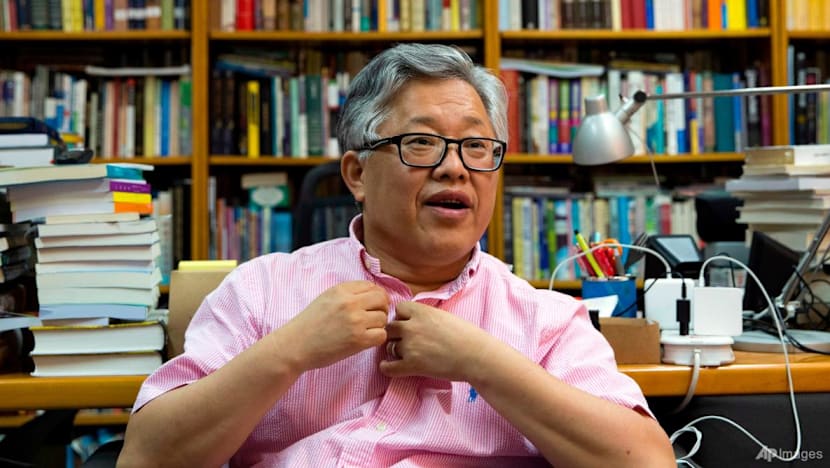
Beijing, China – Pastor Ezra Jin Mingri, a leading figure of Beijing’s Zion Church, has been released from detention. His freedom comes weeks after U.S. President Donald Trump reportedly requested his release, signaling a potential diplomatic concession amid ongoing bilateral tensions between Washington and Beijing. Jin Mingri’s detention in October, alongside 17 other church leaders, was part of what authorities described as a crackdown on illegal religious gatherings, marking one of China’s most significant actions against a single church in decades.

The initial detention of Pastor Jin Mingri and other members of the Zion Church coincided with a broader government campaign to assert greater control over religious activities across China. This campaign has included the demolition of churches and the removal of crosses, particularly targeting unregistered congregations. The Zion Church, one of Beijing’s largest unregistered Protestant churches, had previously resisted government demands to install surveillance cameras and integrate with state-controlled religious bodies.
U.S. President Trump’s intervention reportedly occurred during recent bilateral discussions, though specific details of the request or its timing have not been officially disclosed by either government. The release of a high-profile religious figure under foreign diplomatic pressure is a rare occurrence for China, suggesting a strategic calculus by Beijing. This move could be interpreted as an attempt to ease friction with the United States on humanitarian issues, potentially paving the way for more constructive dialogue on other contentious areas, such as trade negotiations.
This development holds multifaceted implications for the Asia-Pacific region. For financial markets, any signs of reduced U.S.-China friction, even on non-economic matters, can positively influence investor sentiment, particularly regarding trade deal prospects. Companies with significant exposure to both Chinese and U.S. markets will monitor such signals closely, as geopolitical stability directly impacts supply chains and market access.
Furthermore, the incident highlights the ongoing concerns about human rights and rule of law within China, which can affect international perceptions and foreign direct investment. While the immediate impact on major Asian economies like Japan, South Korea, and Singapore may be limited, the broader narrative of U.S.-China relations deeply influences regional economic policy and security alignments. Countries in ASEAN, like Singapore, often navigate a delicate balance between these two global powers, making any shifts in their dynamic significant for regional stability and trade routes.
The episode could also set a precedent for future diplomatic engagements, where human rights issues become more explicitly linked to broader geopolitical and economic discussions.

Written by
Tumisang Bogwasi, Founder & CEO of Brimco. 2X Award-Winning Entrepreneur. It all started with a popsicle stand.