Kenya's data regulator is investigating Meta and Sama over smart-glasses footage, but the law caps fines at KES 5 million, and the Nairobi contractor at the centre of the case is being liquidated.
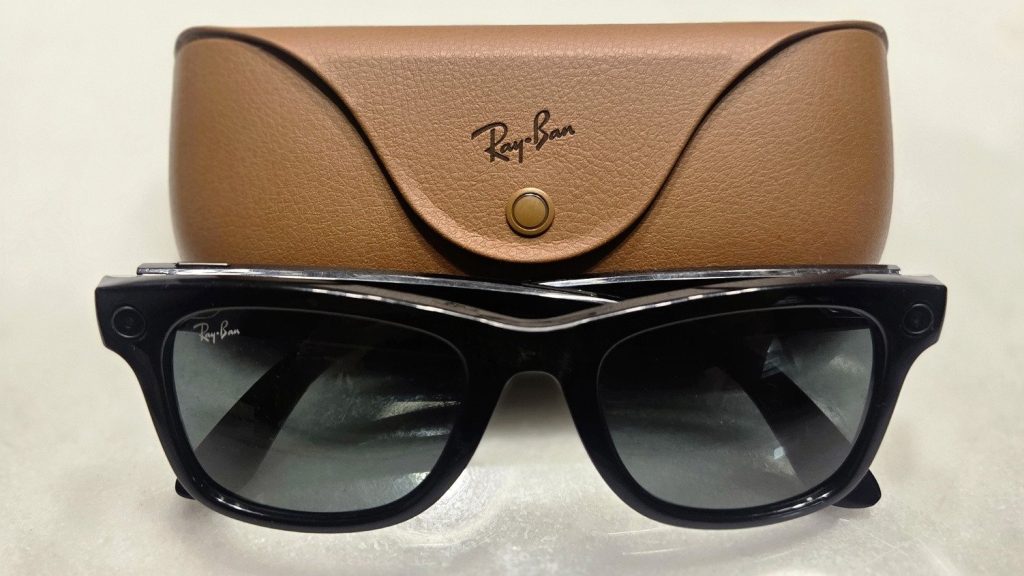
NAIROBI, Kenya – Kenya’s data protection regulator is investigating Meta Platforms and its former Nairobi outsourcing partner Sama over footage recorded by Meta’s Ray-Ban smart glasses. But the law caps any fine at KES 5 million (about $38,000), and the local contractor that is easiest to pursue is being wound down, TechCabal reported on 24 November.

Source: TechCabal, 24 Nov 2026, citing Kenya’s Data Protection Act and Sama’s disclosures to creditors.
The ODPC confirmed its investigation on 31 March, about a month after Swedish journalists reported that Sama workers in Nairobi had labelled clips from the glasses showing people undressing, using the toilet and having sex, TechCabal reported.
The respondents are Meta, Samasource Kenya EPZ Limited, which employed the Nairobi labelling staff, and its US parent, Samasource Impact Sourcing, Inc. Both Sama companies trade under the Sama name and supply human workers who label data and review content for AI systems.
The probe follows two different paths. One is footage that travelled from the glasses to Meta’s servers and on to annotation contractors. The other is a Nairobi student’s case: a man wearing the glasses filmed her in March 2025 and posted the clip online, where it spread across TikTok, Instagram, X, Facebook and YouTube. Her statement to the regulator was made public on 16 November.
The BBC reported that the man who filmed her has not been traced. Kenya’s Directorate of Criminal Investigations has warned that people who shared the footage could face prosecution.

Kenya’s Data Protection Act caps penalties at KES 5 million or 1% of annual turnover, whichever is lower. For Meta that is just under $40,000, or roughly six seconds of its 2025 revenue, TechCabal calculated.
The ODPC has imposed the full amount before. Its first penalty notice, in 2022, was against smartphone maker OPPO.
A ruling could still matter more than the cash. Kenya’s Court of Appeal has already held that Meta can be sued in Kenya, and a finding that Meta unlawfully processed footage in Nairobi would give lawyers in other cases an official record to build on, TechCabal noted.
Sama laid off more than 1,100 workers by mid-April after Meta ended its contract. Meta said Sama had failed to meet its standards. Sama disputes this, saying it was never told it had failed any of them.
Sama’s US parent is winding down and selling its assets, as TIME first reported. Sama told creditors that falling revenue, more competition and the cost of defending class-action lawsuits had hurt the business. It disclosed about $1 million in assets against $17 million in liabilities.
The pattern is not new. When former Facebook content moderators sued Meta and Sama in 2023, Sama dropped the moderation contract and the work moved to another outsourcer, Majorel, which is now owned by Paris-based Teleperformance.
Nairobi is a hub for outsourced content moderation and AI data-labelling work, so who carries the legal risk matters to investors and clients.
The Business Laws (Amendment) Bill would make outsourcing firms alone liable for technology workers hired through them, even where the client supplies the tools and directs the work, according to petitioners challenging it in court. The provision covers civil claims and does not expressly bar workers from suing the client companies, TechCabal noted.
The Oversight Lab, a Kenyan legal advocacy group, petitioned the regulator to investigate the glasses. Its executive director, Mercy Mutemi, also runs the law firm representing 185 former Facebook moderators in their case against Meta and Sama.
For firms operating in Kenya, the practical takeaways are:
The student at the centre of the case is not seeking compensation from Meta. She wants rules on wearing recording devices in public, visible recording lights and her video taken down, TechCabal reported.
For more on Kenya’s economy, see Kenya’s exports cross Sh1 trillion in nine months.

Written by
Tumisang Bogwasi, Founder & CEO of Brimco. 2X Award-Winning Entrepreneur. It all started with a popsicle stand.