NASA's Perseverance rover has uncovered new evidence of macromolecular carbon in Martian rock samples from Jezero Crater, indicating the potential for widespread ancient habitability on the Red Planet. This discovery, detailed in Science Advances, intensifies the scientific community's call for future sample return missions to Earth, which could significantly influence funding and strategic planning for global aerospace and space exploration initiatives.
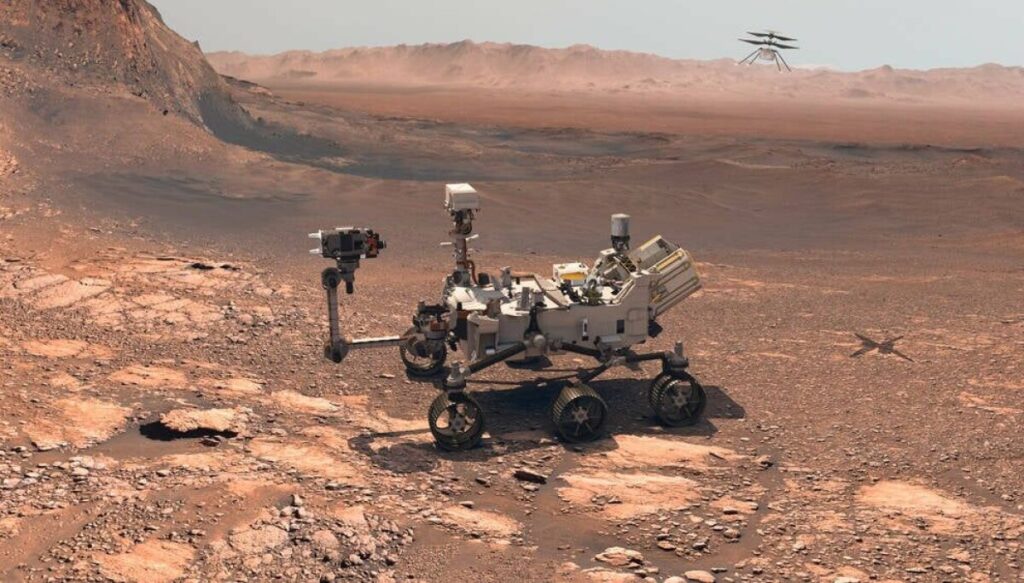
PASADENA, USA – NASA’s Perseverance rover has identified additional evidence of macromolecular carbon (MMC) within rock samples from Mars’ Jezero Crater. This discovery contributes to the growing body of data suggesting that Mars may have once hosted conditions conducive to ancient life, potentially influencing future investment strategies in planetary exploration and aerospace technology.
The findings underscore the critical need for sample return missions to Earth to definitively ascertain the biogenic origin of these organic compounds, a development that could reshape long-term capital allocation for space agencies and private aerospace ventures globally.

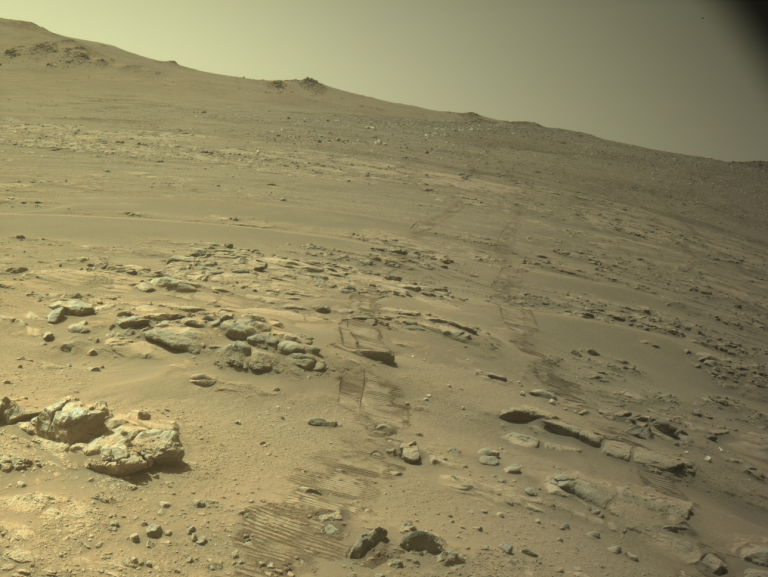
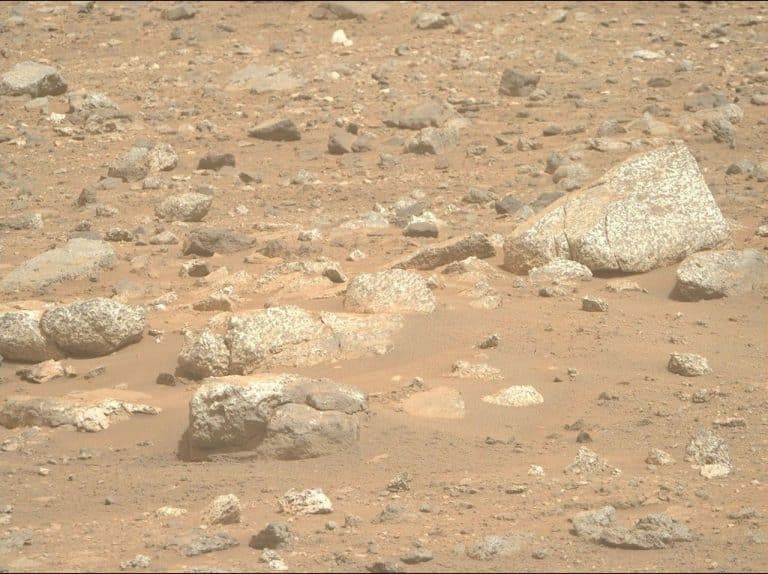
The latest findings involve the detection of MMCs in a Martian rock designated Cheyava Falls, located within the Jezero Crater. This crater has been the primary operational site for Perseverance during its five-year mission and is believed to have once harbored a large lake fed by the ancient riverbed known as Neretva Vallis. Similar to previous discoveries, these organic carbon signatures point towards a potentially habitable past for Mars.
Two instruments onboard Perseverance, the Scanning Habitable Environments with Raman and Luminescence for Organics and Chemicals (SHERLOC) and the Wide Angle Topographic Sensor for Operations and Engineering (WATSON), were instrumental in identifying the MMCs. On Earth, MMCs are frequently associated with essential organic compounds such as carbohydrates, lipids, proteins, and nucleic acids, which are fundamental to life.
The research team also noted a connection between their findings and a 2018 discovery by the Curiosity rover, which identified similar materials, termed “kerogen,” approximately 3,500 kilometers away in Gale Crater. While kerogen and MMC are scientifically interchangeable, the Cheyava Falls team opted for MMC terminology to avoid prematurely implying a biological origin. The widespread presence of these organic compounds across Mars suggests that

Written by
Tumisang Bogwasi, Founder & CEO of Brimco. 2X Award-Winning Entrepreneur. It all started with a popsicle stand.