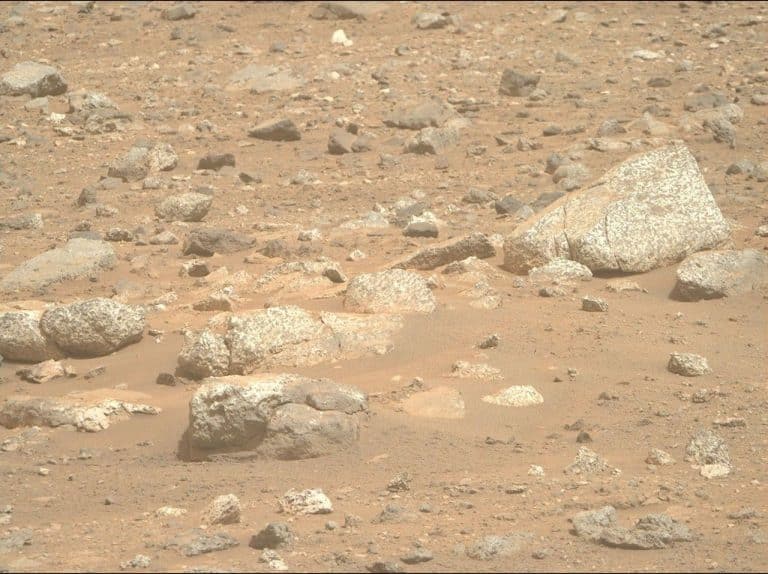
The National Aeronautics and Space Administration (NASA) has initiated recruitment for a year-long simulated mission designed to replicate lunar and Martian environments. This program aims to gather critical data on human performance and health, preparing for future deep-space expeditions, according to an agency announcement.

Washington, United States – The National Aeronautics and Space Administration (NASA) is actively recruiting volunteers for a year-long simulated mission designed to mimic conditions on the Moon and Mars. This initiative aims to gather crucial data on human performance and health for future long-duration spaceflights.

This simulation represents a critical step in NASA’s long-term strategy for human space exploration. By subjecting volunteers to conditions mirroring future lunar and Martian missions, the agency intends to identify and mitigate potential health and performance risks. Such risks include psychological stress, physical deconditioning, and operational challenges in isolated, confined environments.
The findings from this year-long experiment will directly influence spacecraft design, crew training protocols, and life support systems. Understanding human responses in these controlled, high-fidelity simulations is essential for ensuring crew safety and mission success during actual voyages to the Moon and beyond.
The volunteer program integrates with NASA’s broader Artemis program, which aims to return humans to the Moon and establish a sustainable lunar presence. The lessons learned from the simulated mission will inform the development of technologies and procedures necessary for extended stays on the lunar surface. These experiences will then serve as a vital stepping stone for human expeditions to Mars.
NASA emphasizes that preparing for Mars missions requires extensive knowledge of how humans function over prolonged periods in extreme isolation and resource-limited settings. The simulated environment will help researchers test innovative solutions for power generation, waste management, and in-situ resource utilization, which are paramount for independent deep-space travel.
This recruitment drive underscores the United States’ continued leadership in space exploration and its commitment to advancing scientific understanding of human capabilities beyond Earth. Investments in programs like this simulation support high-tech job creation within the aerospace sector and related research fields. The initiative also fosters innovation that can yield terrestrial applications, benefiting various industries.
While led by NASA, the findings from such simulations often contribute to the global body of knowledge in aerospace medicine and human factors engineering. International space agencies and private aerospace companies worldwide monitor these developments closely. Collaborative efforts in future space exploration, particularly for complex missions like those to Mars, will likely leverage the data and insights gained from these long-duration analog missions.

Written by
Tumisang Bogwasi, Founder & CEO of Brimco. 2X Award-Winning Entrepreneur. It all started with a popsicle stand.