

A week of American technology failures has reached the National Security Agency and the White House cyber office. Visa, Mastercard and JPMorgan say names and email addresses were taken from outside vendors, with no card data lost.
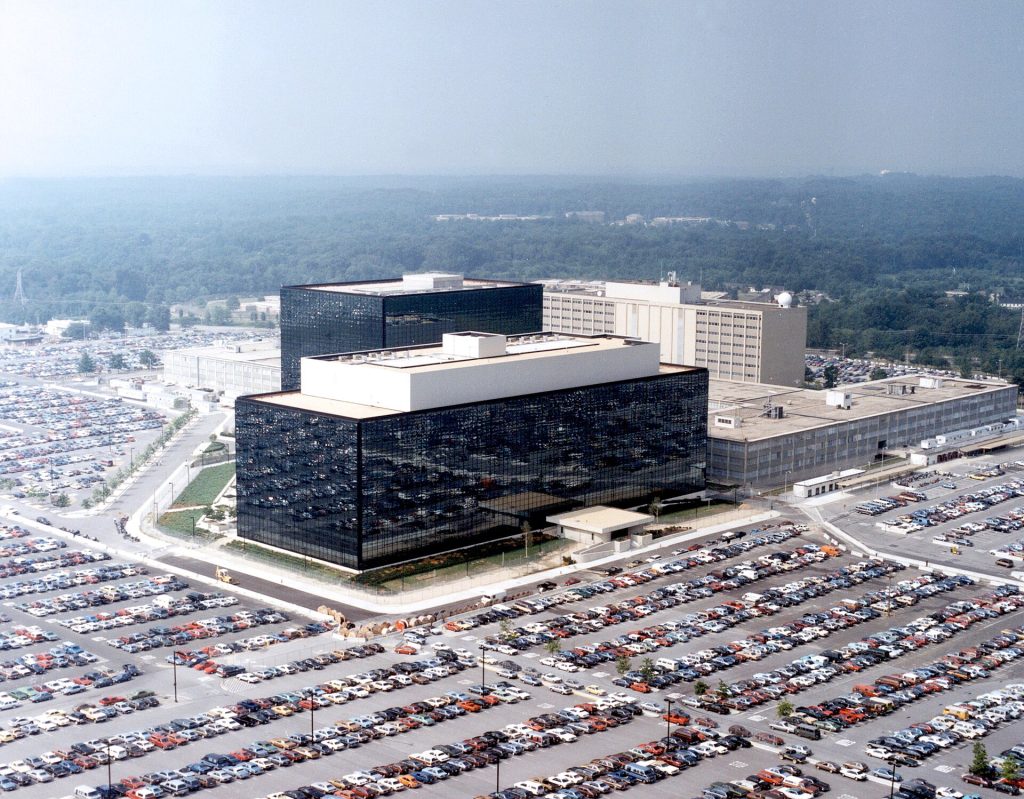
WASHINGTON, United States: The National Security Agency’s classified internal network was still down on 19 November, with some staff told to work from home for a third day, NBC News reported. On the same day the White House confirmed that National Cyber Director Sean Cairncross is leaving.

The network went down on Tuesday 17 November. In a statement carried by the Associated Press, the agency said it “experienced temporary degradation during scheduled routine maintenance” and that “mission-critical capabilities remain fully operational”.
NBC News, citing two people with knowledge of the matter, said the outage also affected a worksite in Georgia that handles electronic intelligence work in the Middle East. The sources said there was no sign of a cyberattack.
A White House official confirmed the departure to NBC News. Kirsten A. Davies, chief information officer at the Defense Department, will serve in an acting capacity. The post requires Senate confirmation.
Accounts of the reason differ. CBS News reported, citing several sources, that he was dismissed. Axios, which first reported the change, described a planned exit. The White House has not given a reason on the record.
Visa, Mastercard and JPMorgan Chase said on 19 November that attackers reached customer data held by third-party vendors, Yahoo Finance reported. The data included names and email addresses.
Visa linked the incident to a service provider in the Asia Pacific region. Mastercard said it involved email addresses from “a small subset of cardholders enrolled in a specific benefit program”. JPMorgan said marketing data was accessed and that the incident is not related to the outage its customers reported on Monday.
A ransomware group known as n0n has claimed responsibility, according to the security firm SOCRadar, as cited in the same report. None of the companies has said how many customers are affected.
Officials say no. Brimco reported on 18 November that US officials do not see a coordinated cyberattack behind the week’s failures, which included a nationwide halt to flight departures and a payments fault at JPMorgan Chase.
The vendor breach is a different kind of event: a criminal intrusion, not a failed update. It happened in the same week, which is why the two are being discussed together.
African banks, retailers and payment firms run on the same card networks, cloud platforms and software vendors. A fault or a breach at a supplier abroad can reach a customer in Gaborone or Lagos without any local system failing.
The practical questions are the ones the American cases raise: which outside vendors hold customer data, what happens when a critical supplier is unavailable for a day, and who tells customers. No African cardholders have been reported among those affected by the vendor breach.

Written by
Tumisang Bogwasi, Founder & CEO of Brimco. 2X Award-Winning Entrepreneur. It all started with a popsicle stand.