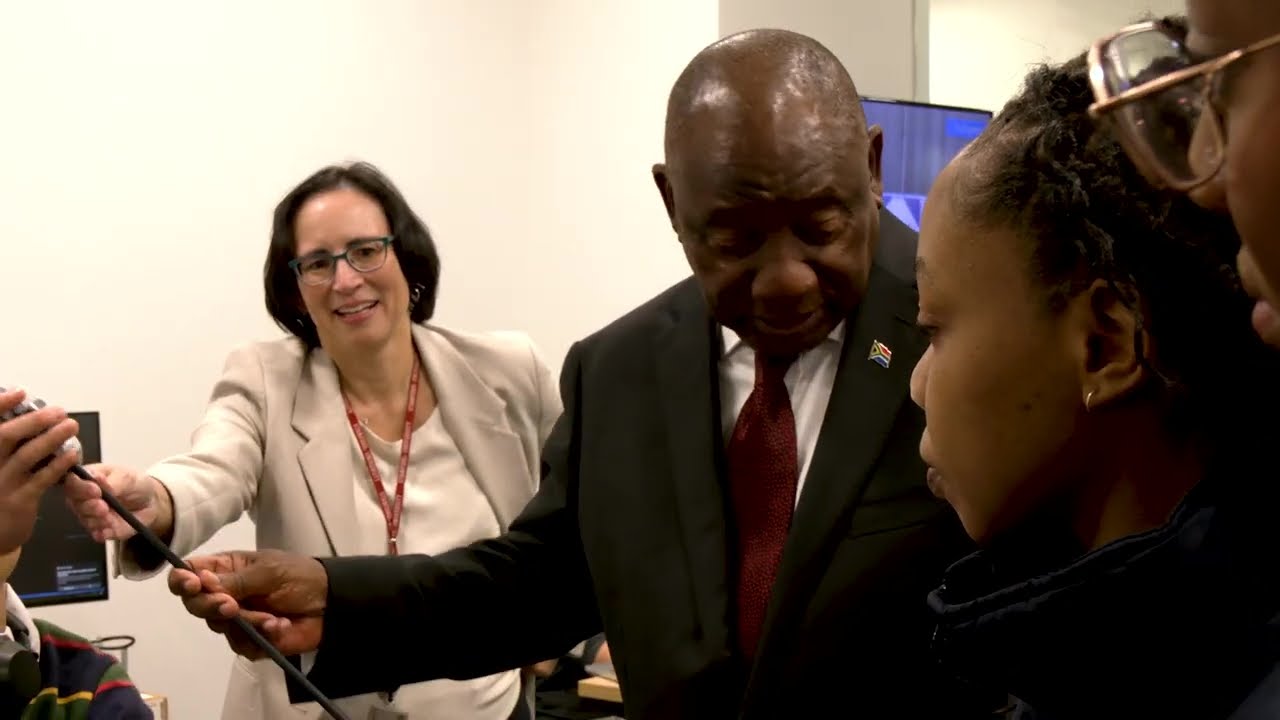
President Cyril Ramaphosa toured the Stanford Robotics Center on 17 November, seeing surgical, home-care and medical robots, as South Africa seeks US partners, skills and investment for its AI agenda.

STANFORD, United States: President Cyril Ramaphosa toured the Stanford Robotics Center in California, where researchers showed his delegation robots built for surgery, home care and medicine. The stop puts robotics alongside data centres in South Africa’s pitch for US technology partners and investment.

The tour took place on 17 November as part of the delegation’s Stanford programme, which the government news agency SAnews said covered “the journey from research to commercial AI applications and how venture capital supports innovation”. The Presidency released seven clips of the visit on its YouTube channel on 18 November.
Professor Allison Okamura led the tour. In the footage she introduces herself as “a professor in mechanical engineering and one of the executive directors of the Stanford Robotics Center”.
According to the Department of Science, Technology and Innovation, the delegation included Finance Minister Enoch Godongwana, Science Minister Blade Nzimande, Trade Minister Parks Tau, Communications Minister Solly Malatsi and Electricity Minister Kgosientsho Ramokgopa, among others.

The clips show a series of demonstrations by Stanford faculty and students:
At the surgical robot, a Stanford researcher explained that the console lets surgeons sit rather than hunch over a patient during long operations. “And so I think this is a great example how with the right robot design, it can help people,” she said. “And again, it’s not just the patient, it’s also the surgeon.”
Asked whether the magnetic micro-robots were already being used in operations, a researcher replied: “No, we are developing this.” None of the systems shown was presented as ready for use in South Africa.
The same day, at Stanford Graduate School of Business, Ramaphosa told venture capitalist Roelof Botha that South Africa is “hungry for partnership”, the Stanford Daily reported. He welcomed a data centre build-out but said South Africa wants a role in “the full value chain” rather than only providing land.
“Investment has been lacking. So in order for us to be catapulted to a higher level, we need investment, we need skills and we are in the process of improving the investment climate in our country,” he said, according to the Stanford Daily.
Botha said he and Ramaphosa had discussed setting up a liaison in Silicon Valley to act as a “business development bridge”, the paper reported. Ramaphosa also said the delegation hoped to return home “with a bag full of investments”.

For hospital groups, medical device suppliers and universities, the tour points to a government that wants to bring advanced research and the skills behind it home, not only buy finished systems. Ramaphosa set out that aim on 15 November, telling the delegation that South Africa “cannot afford to become merely consumers of these technologies that are controlled elsewhere”, SAnews reported.
For investors, the message is that South Africa wants partners in research, start-ups and data infrastructure, with conditions on local value. The Presidency has said the country wants to safeguard “digital sovereignty, policy autonomy, data protection and responsible AI governance”, which suggests deals will come with terms on data and ownership.
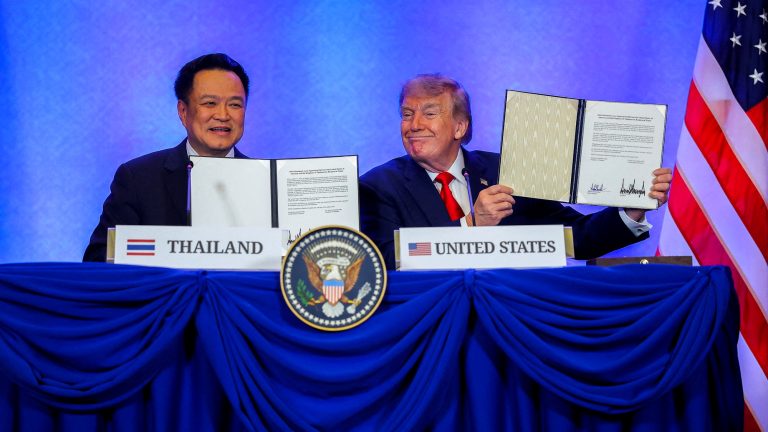
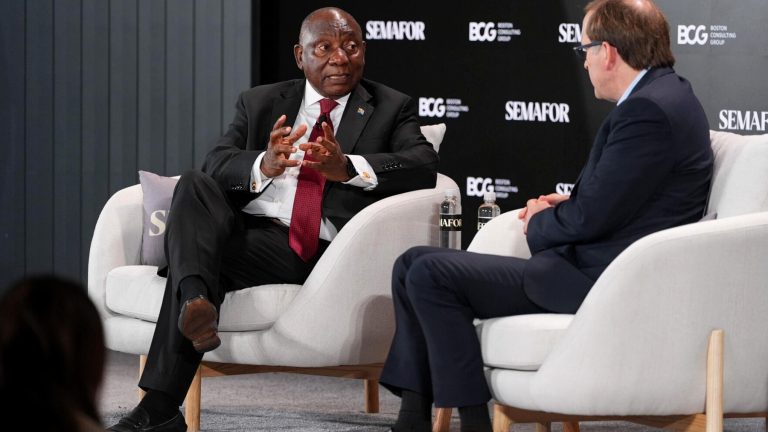
No investment deal had been announced four days into the trip, The Profiler reported on 18 November. The visit also comes while relations with Washington remain strained, and after Ramaphosa pitched South Africa as an AI and data centre hub at Semafor’s summit earlier in the week.

Written by
Tumisang Bogwasi, Founder & CEO of Brimco. 2X Award-Winning Entrepreneur. It all started with a popsicle stand.