


A new robotic servicing mission, backed by NASA, has commenced operations with the goal of advancing in-space servicing capabilities and technologies.
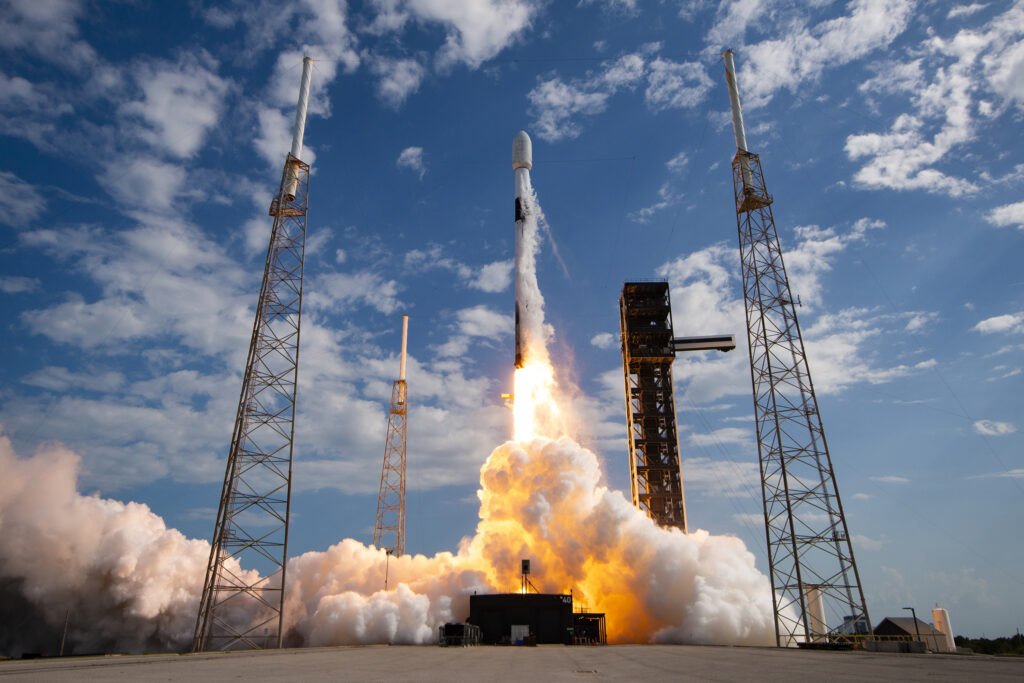
WASHINGTON, D.C., United States – A pioneering robotic servicing mission, supported by the U.S. space agency NASA, has successfully launched, signaling a significant step forward in the development of critical technologies for in-space operations.
The mission aims to demonstrate and refine capabilities essential for servicing and maintaining spacecraft in orbit, a development that could extend the lifespan of valuable assets and reduce the cost of space exploration and commercial activities. While specific details of the servicing capabilities are still emerging, the mission’s focus on robotic technology underscores the growing importance of autonomous and remotely operated systems in the expanding domain of space.
NASA’s involvement highlights the agency’s commitment to fostering innovation in the aerospace sector, particularly in areas that can support both scientific endeavors and the burgeoning commercial space industry. The advancement of in-orbit servicing is seen as a key enabler for future ambitious missions, including extended lunar stays and eventual human missions to Mars.

This initiative aligns with broader trends in the aerospace industry, where private companies and government agencies are increasingly exploring technologies that enhance the sustainability and efficiency of space operations. The success of such missions could lead to new business models and a more robust space economy.
The launch of this robotic servicing mission carries potential implications for the United States’ leadership in space technology and its commercial partnerships. The development and deployment of such advanced robotic capabilities can strengthen the nation’s competitive edge in the global aerospace market.
Furthermore, enhanced in-orbit servicing could reduce the reliance on costly and complex new satellite manufacturing, potentially impacting investment decisions and the strategic allocation of resources within the space sector. As more nations and private entities expand their presence in orbit, the demand for servicing and maintenance solutions is expected to grow significantly.
This mission’s success could also spur further collaboration between government agencies like NASA and private aerospace companies, fostering a more dynamic and innovative ecosystem for space exploration and utilization. The technologies developed may also find applications in other critical infrastructure sectors on Earth.

Written by
Tumisang Bogwasi, Founder & CEO of Brimco. 2X Award-Winning Entrepreneur. It all started with a popsicle stand.


