Businesses in South Korea are increasingly adopting robotic and self-service technologies to counter persistent labor shortages and escalating operational costs. This trend, particularly evident in the retail and food service sectors, represents a strategic pivot towards automation driven by an aging population and higher minimum wages.
Seoul, South Korea – Businesses across South Korea are increasingly deploying robotic and self-service technologies to mitigate persistent labor shortages and rising operational costs. This strategic shift, particularly prominent in the retail and food service sectors, reflects a broader economic pivot towards automation as the nation grapples with an aging workforce and evolving labor market dynamics. The embrace of automation is transforming customer experiences and operational models nationwide.

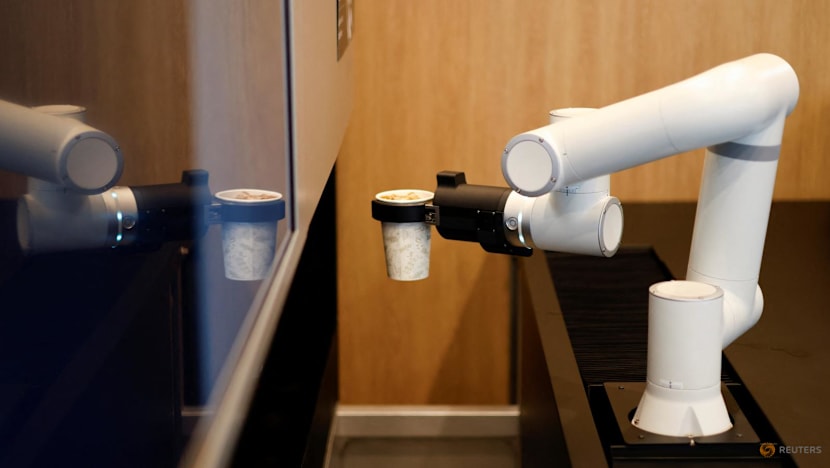
The adoption of automated solutions, including self-checkout kiosks, robotic baristas, and AI-powered ordering systems, is becoming a strategic imperative for small and medium-sized enterprises (SMEs) throughout the country. Retail store owners cite significant challenges in recruiting and retaining suitable staff, alongside sustained increases in the national minimum wage, as primary drivers for this technological transition. This move enables businesses to maintain service levels without expanding their human workforce.
South Korea faces one of the fastest aging populations globally, with its total fertility rate hitting a record low of 0.72 in 2023. This demographic trend intensifies the existing labor pool challenges, pushing businesses to explore innovative solutions beyond traditional human capital. The government’s consistent adjustments to the minimum wage, which rose by 2.5% to 9,860 Korean won (approximately 7.15 USD) per hour in 2024, further incentivize businesses to invest in automated systems for cost control and operational stability.
The investment in automation extends beyond mere cost-cutting; it represents a long-term strategy for productivity enhancement. Businesses are seeking to optimize operations, reduce human error, and provide consistent service quality around the clock. This often includes implementing smart inventory management systems and automated cleaning solutions, which further streamline backend processes and free up existing staff for more complex tasks. The market for service robots in South Korea is projected to grow significantly, reflecting this increasing demand.
The trend observed in South Korea resonates across other developed and rapidly developing Asian economies facing similar demographic and economic pressures. Japan, for instance, has long been a frontrunner in robotics adoption within its service sector, driven by its own severe labor shortages and an aging society. Businesses there utilize robots for tasks ranging from hospitality to logistics, providing a potential blueprint for South Korean firms looking to expand their automation strategies.
Singapore is also aggressively promoting automation and digital transformation across industries to enhance productivity and address workforce constraints, supported by government initiatives like the Productivity Solutions Grant. India, while having a younger demographic profile, is witnessing a surge in automation in its manufacturing and logistics sectors as it seeks to boost efficiency and global competitiveness.
The broader Asia-Pacific region views automation as a critical lever for sustained economic growth in the face of evolving labor market dynamics and increasing wage demands. Tokyo and Mumbai are similarly exploring how technology can address urban labor challenges.

Written by
Tumisang Bogwasi, Founder & CEO of Brimco. 2X Award-Winning Entrepreneur. It all started with a popsicle stand.