The ratings agency projects median African growth of 4.6% over three years but says growth alone will not protect economies from dollar-driven financing shocks.
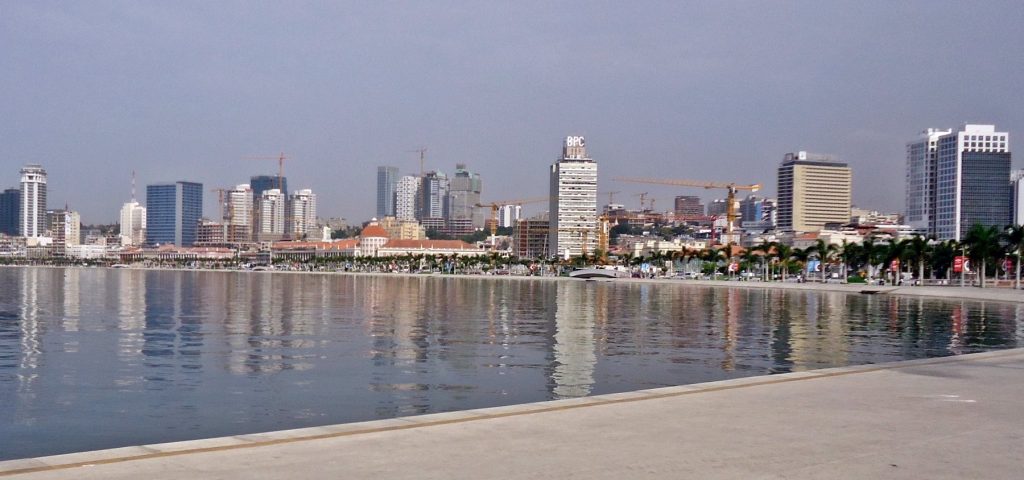
LUANDA – African governments need to lower borrowing costs, build foreign exchange reserves and deepen local currency markets if the continent’s improving growth is to translate into financial stability, S&P Global said, naming Botswana, Morocco and South Africa among the sovereigns in a stronger fiscal position.

Pierre Gautier, managing director for emerging and frontier markets ratings at S&P Global, told an audience in Luanda that the continent’s median growth should reach 4.6% over the next three years, BusinessDay reported. But he said structural weaknesses, including high borrowing costs, thin reserve buffers and shallow local markets, leave many sovereigns exposed.
“One of the critical things to make sure that Africa and many of its sovereigns can be less vulnerable to external shocks is building FX reserves,” Gautier said.
S&P noted that when dollar financing tightens, African sovereigns typically face higher costs in international markets, making it more expensive to refinance debt. Conditions improved in 2025, but pressures have risen since March, partly reflecting geopolitical developments and conflict in the Middle East.
Domestic funding is only a partial answer. The capacity of local banks to absorb more government debt remains limited in much of the continent. S&P pointed to total return swaps, guarantee-backed deals, concessional funding and multilateral local-currency lending as ways to widen access to long-term capital.
The agency said the shift from the old pattern of African raw material exports towards regional alliances and new supply chains is an opportunity, but only if countries process, refine and manufacture more at home. Doing so would raise export earnings and help build reserves.
S&P identified Morocco, Botswana and South Africa as sovereigns in a stronger position on revenue generation and debt-servicing capacity. It defines resilience as growing revenue while shrinking the share consumed by interest payments.
For Botswana, that assessment is a useful anchor as the country manages a diamond revenue downturn, although the agency’s comments did not set out country-specific outlooks. The broader call for mineral beneficiation also aligns with Botswana’s long-standing policy of adding value to diamonds locally.
S&P upgraded seven African sovereigns in 2025, citing improving growth and reform momentum, according to Citi Newsroom. Inflation remains the main short-term risk the agency flagged, because it erodes household spending power, the part of demand that has made African growth more resilient to external shocks.

Written by
Tumisang Bogwasi, Founder & CEO of Brimco. 2X Award-Winning Entrepreneur. It all started with a popsicle stand.