An industry roundtable traced the gap to unharvested roots, low yields, costly logistics and derivatives that are not matched to buyers' needs.
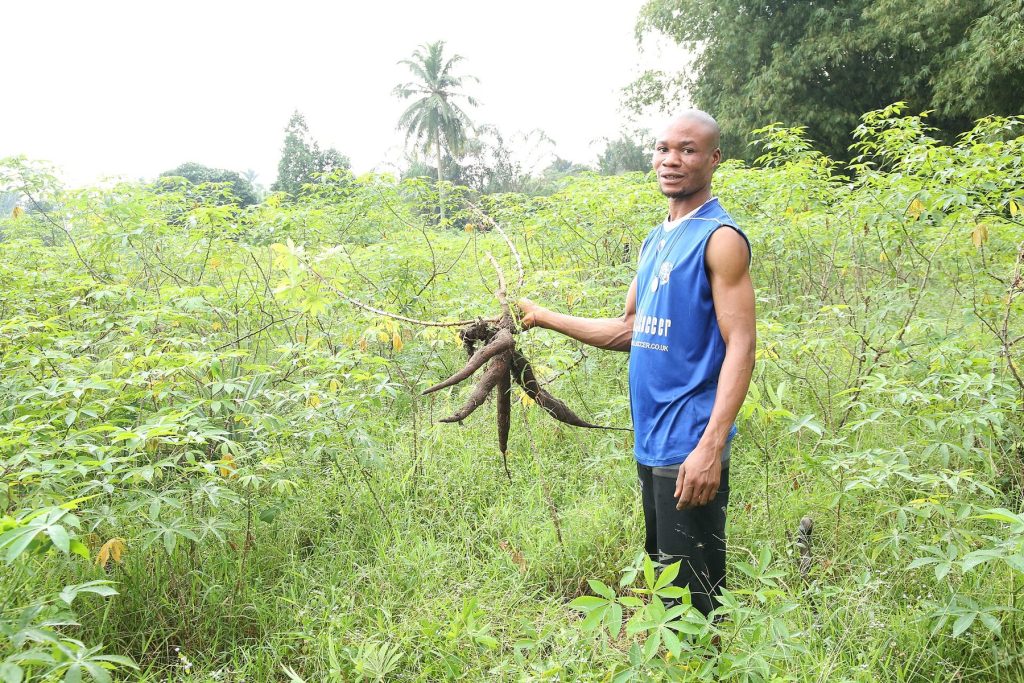
LAGOS – Nigeria is the world’s largest cassava producer, yet its starch, sweetener and ethanol factories still struggle to secure enough roots. A roundtable convened by the Nigeria Cassava Investment Accelerator (NCIA) concluded that no single bottleneck is to blame, BusinessDay reported. Instead, it described a chain of failures from farm to factory.

Nigeria produced about 62.6 million tonnes of cassava in 2024, roughly 18% of world output, according to FAOSTAT data compiled by Husfarm. But participants at the August roundtable questioned whether such figures reflect roots actually harvested, since estimates are often based on area planted and assumed yields.
One participant estimated that in some areas up to 60% of planted cassava may stay in the ground because harvest labour is too costly or scarce. Roots that are harvested spoil quickly and must reach factories within a tight window.
The World Bank’s 2025 Nigeria Country Private Sector Diagnostic cites average yields of 8.2 tonnes per hectare in 2020, against 12.8 tonnes globally and 24 tonnes in Southeast Asia. Participants linked the gap to limited supply of improved planting stems and weak extension support.
Costs compound the problem. Fresh roots are about 70% water, so processors pay to haul weight over poor roads that never becomes product. Turning roots into starch also needs washing, peeling, grinding, extraction and drying, each consuming energy where power is expensive.
The roundtable warned against marketing cassava derivatives as general substitutes. It saw better prospects in specific uses such as bioethanol, sweeteners and cassava-wheat composite flour for biscuits. One participant said local cassava starch had become price-competitive with imports, though buyers raised concerns about inconsistent test results.
For investors, the message is that cassava projects need reliable feedstock, competitive processing costs and proven demand at the same time. More farm output may do little if roots cannot be delivered cheaply, and more factories may struggle if products do not meet buyers’ specifications.
NCIA said it is focusing on farmer productivity, links between farmers and industrial buyers, processor quality assurance and product development with regulators and researchers. Progress on those fronts could help Nigeria replace some imported starch and sweeteners with local inputs.

Written by
Tumisang Bogwasi, Founder & CEO of Brimco. 2X Award-Winning Entrepreneur. It all started with a popsicle stand.