Major US air carriers maintain their profitability outlook as high airfares and strict capacity management offset softening domestic flight demand.
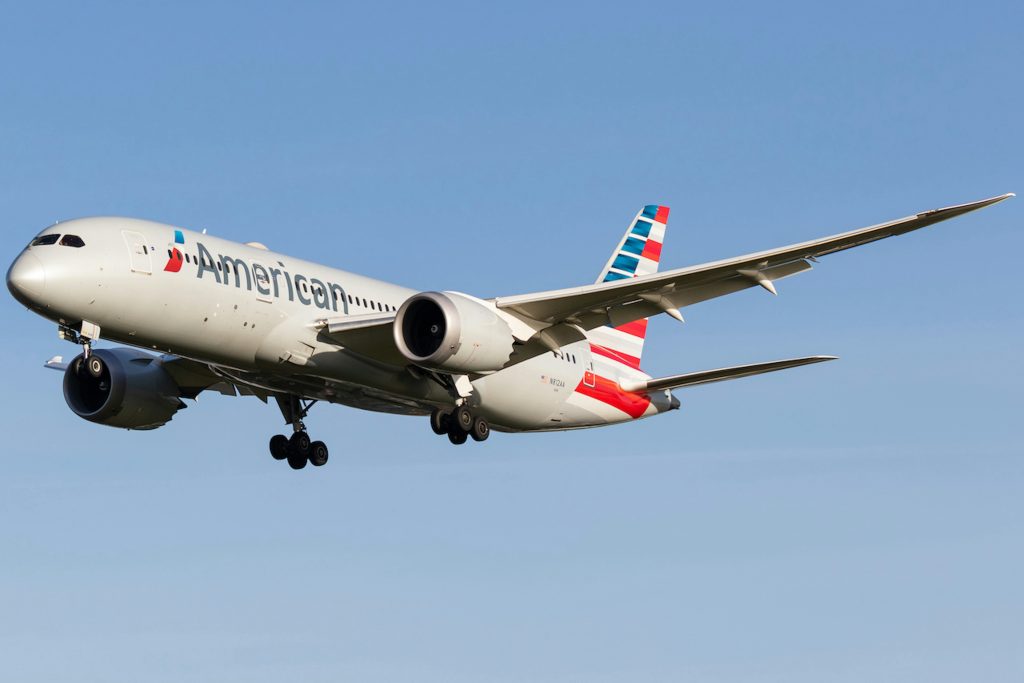
WASHINGTON, United States: Major American air carriers are navigating a consumer shift as domestic airfares touch multi-year highs. Recent travel data indicates passenger volumes dipped marginally, yet airline executives project steady annual earnings on resilient yield metrics and tighter capacity structures.

The domestic aviation sector is transitioning from the post-pandemic travel surge to a normalized operating environment. Ticket prices rose substantially amid persistent contract expenses and robust premium demand, detailed in a CNBC airline capacity and airfare analysis. The pricing momentum shifted carrier priorities from aggregate volume expansion toward maximizing revenue per available seat mile.
Elevated borrowing costs under the Federal Reserve benchmark rate weigh on carrier plans to modernize aircraft fleets. Substantial cash positions built over the past two years nevertheless buffer operators against near-term fuel price volatility. Meanwhile, federal regulators are reviewing corporate disclosure practices regarding passenger fees as the sector adapts to structural fare increases.
Diverging demand across passenger classes highlights widening pressure across American household discretionary spending. Wealthier travelers continue booking premium cabins, whereas budget-sensitive leisure flyers reduce trip frequency under broader inflationary headwinds. This divergence threatens secondary regional routes while solidifying legacy carrier dominance across primary hub airports.
Higher yields on debt managed by the Treasury elevate the ongoing expense of aircraft lease financing. Carriers unable to absorb these capital charges may pass fleet costs onto passengers, testing consumer elasticity. Equity markets remain focused on unit revenue stability because passenger growth no longer guarantees operating profit.
Airlines are deploying route analytics to calibrate available seat inventory with precision across major corridors. Restricting capacity on select schedules preserves route profitability even during periods of lower seat occupancy. This disciplined fleet deployment prevents a systemic earnings contraction across the domestic passenger network despite elevated ticket prices.

Written by
Tumisang Bogwasi, Founder & CEO of Brimco. 2X Award-Winning Entrepreneur. It all started with a popsicle stand.