The US dollar reached near 18-month highs amid stubborn US inflation and Middle East geopolitical tensions. The currency rally pressures Asian foreign exchange rates, raises import costs, and increases external debt servicing burdens across emerging markets.
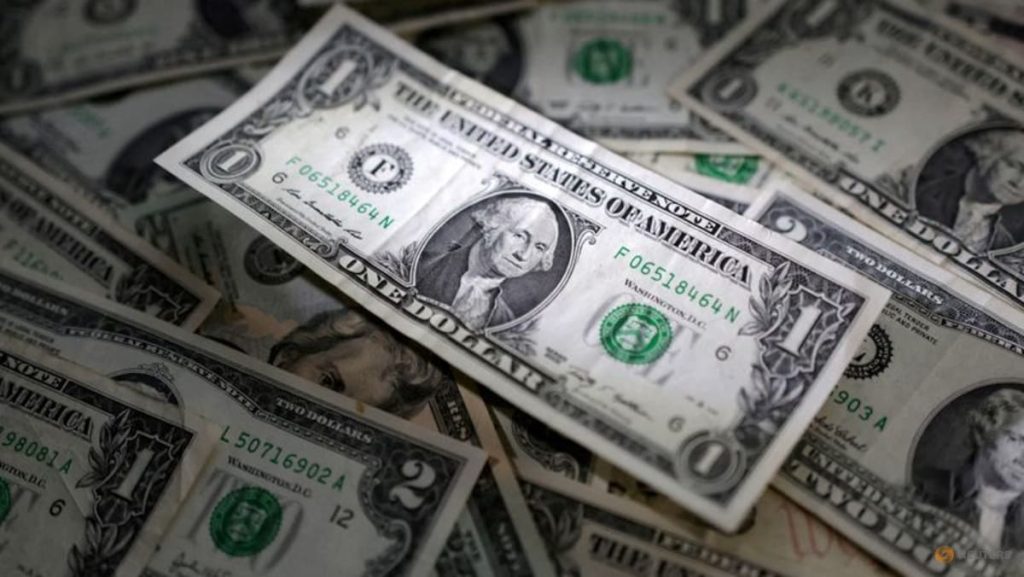
SINGAPORE, The US dollar traded near its highest level in nearly 18 months as sticky inflation metrics and Middle East conflict spurred safe-haven demand. The greenback index advanced as bond markets adjusted positions for elevated interest rates from the Federal Reserve in a foreign exchange market report.

The persistent strength of the greenback creates immediate balance-of-payments frictions across Asian economies. Weakening exchange rates in Japan and South Korea increase imported commodity costs, adding domestic price friction for manufacturers. Meanwhile, monetary authorities in Vietnam and Indonesia face mounting pressure to support local currencies to limit capital flight.
Recent consumer price figures from the United States confirm that core inflation remains resilient. This dynamic delays projected policy easing by the Federal Reserve past initial mid-year estimates. Concurrently, escalating security friction in the Gulf region reinforces global appetite for liquid reserve assets at the expense of developing market debt.
In Tokyo, the yen faces ongoing structural pressure as yield gaps between US Treasuries and Japanese government bonds widen. This divergence narrows policy flexibility for the Bank of Japan during its shift away from negative interest rates. Japanese authorities face rising imported energy bills that complicate household consumption.
In Singapore and regional financial centers, a higher greenback inflates settlement financing for dollar-denominated supply chains. For Southeast Asian sovereigns, local currency depreciation increases external debt servicing commitments and limits domestic fiscal spending allocations. Currency volatility is projected to persist across Asian financial assets through the coming quarter.

Written by
Tumisang Bogwasi, Founder & CEO of Brimco. 2X Award-Winning Entrepreneur. It all started with a popsicle stand.