


Astronomers have identified an object orbiting a brown dwarf that is nearly as massive as Jupiter, representing a significant exomoon candidate. The discovery, detailed in a recent Nature publication, was made using the radial velocity method, advancing the search for moons beyond our solar system and prompting a re-evaluation of cosmic classification criteria for planetary bodies.
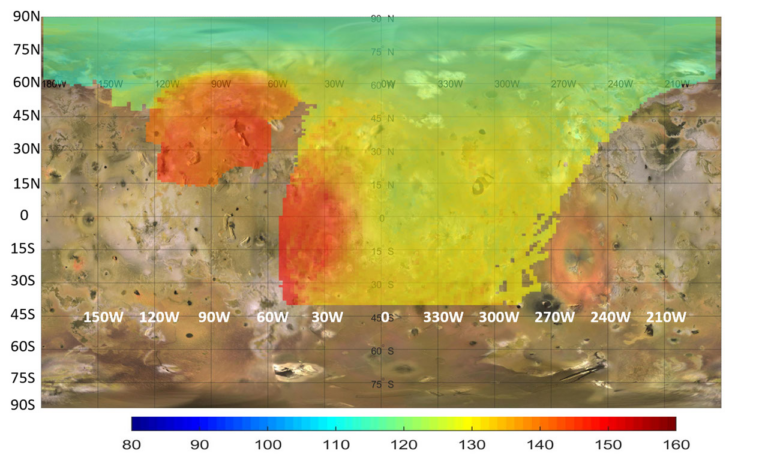
NASA's Juno spacecraft has detected significant subsurface heat anomalies on Io, Jupiter's intensely volcanic moon, utilizing its Microwave Radiometer. This discovery offers new insights into Io's geological processes and internal heat mechanisms, expanding understanding of extreme planetary environments and informing future deep space missions.
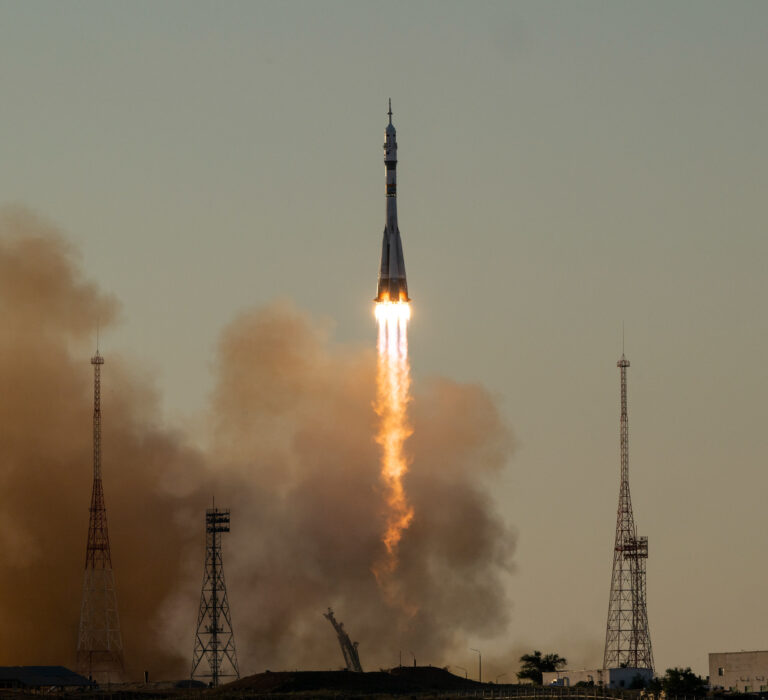
NASA astronaut Anil Menon and his three international crewmates have successfully docked their SpaceX Crew Dragon spacecraft, Endurance, at the International Space Station. The arrival, part of the Crew-8 mission, expands the station's crew capacity for critical scientific research and enhances international collaboration in low-Earth orbit, impacting the broader aerospace industry.

NASA is aligning its ambitious space exploration goals, particularly the Artemis program, with the upcoming 250th anniversary of the United States, aiming to inspire a new generation and solidify American leadership in space.
NASA has issued a Request for Information (RFI) to gather industry insights for the second phase of developing commercial space stations. This initiative is crucial for ensuring a continuous human presence in low-Earth orbit following the planned retirement of the International Space Station (ISS). The agency aims to foster a robust private sector-led space economy, inviting proposals for innovative and cost-effective orbital platforms.
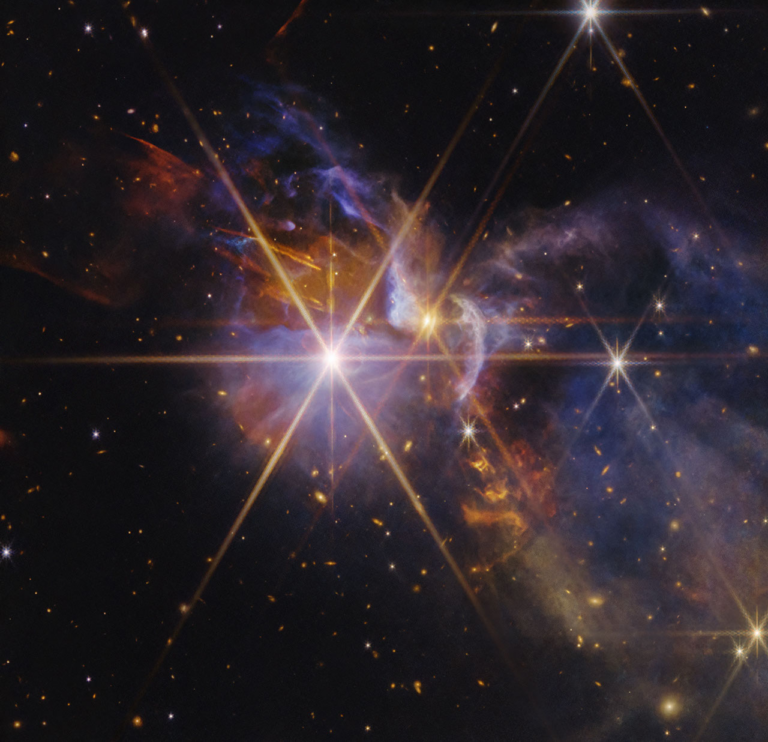
The James Webb Space Telescope (JWST) has captured unprecedented details of Herbig-Haro 211 (HH 211), a young protostellar system in the constellation Perseus. The observations, using Webb's advanced infrared instruments, reveal high-speed jets of gas from newly forming stars, providing critical insights into the initial stages of stellar evolution, particularly for low-mass stars.
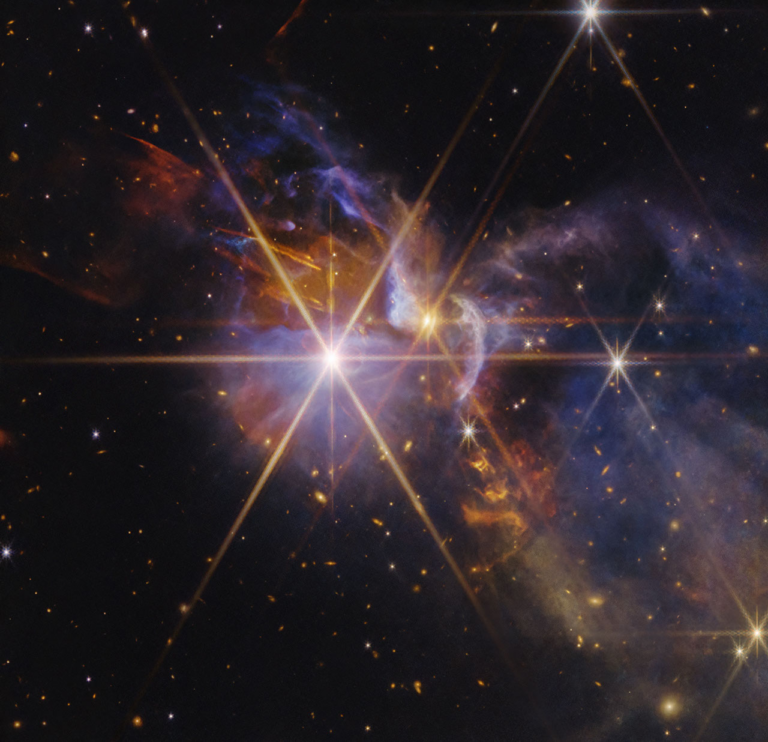
NASA's James Webb Space Telescope (JWST) has captured high-resolution infrared images revealing new insights into star formation processes across the cosmos. These observations enhance the understanding of stellar nurseries and the early universe.
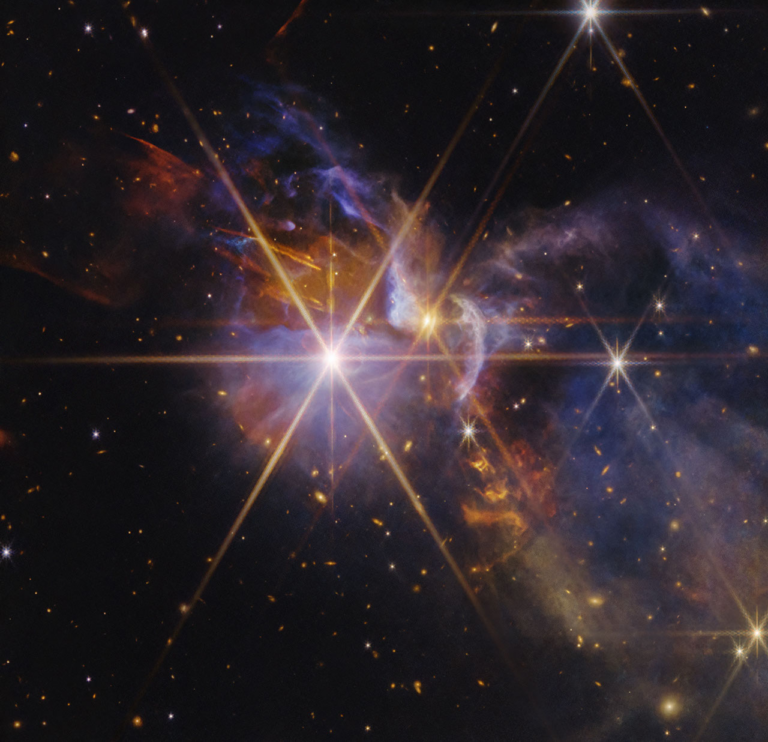
The James Webb Space Telescope has unveiled unprecedented images of stars actively forming within distant galaxies, providing critical data that enhances understanding of stellar evolution and the cosmos's earliest periods, according to NASA. These infrared observations penetrate dense dust clouds, offering a clearer view of processes previously obscured.
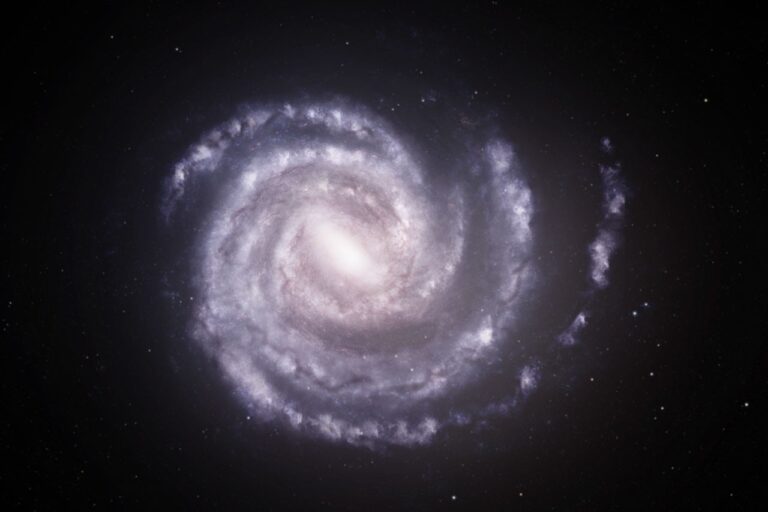
NASA's Chandra X-ray Observatory has provided a detailed examination of the Milky Way's central region, revealing insights into extreme cosmic phenomena, including superheated gas, ancient supernova remnants, and the activity surrounding the supermassive black hole Sagittarius A*.

NASA's Artemis II mission has established a new record for agency streaming viewership, underscoring significant global public interest in the upcoming lunar orbital flight. This milestone highlights the growing digital engagement with the Artemis program, which aims to return humans to the Moon and prepare for future Mars missions.