


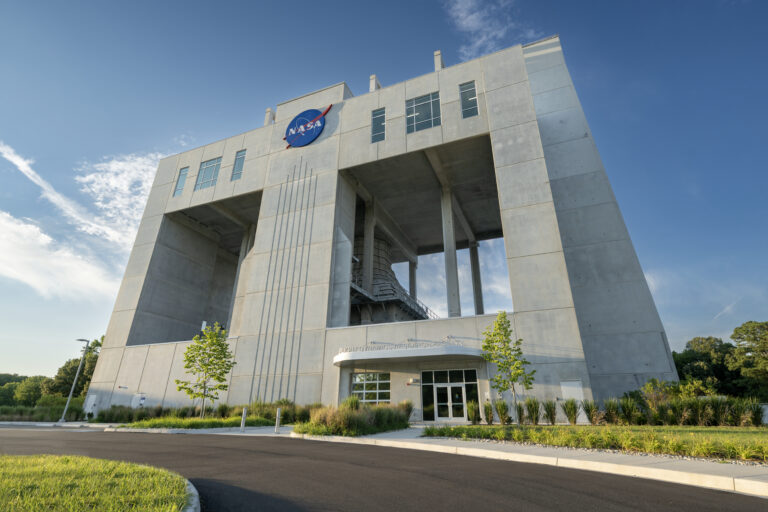
NASA is set to officially open its latest wind tunnel in Virginia, a state-of-the-art facility designed to accelerate research and development in aerospace technologies.

NASA's Armstrong Flight Research Center is conducting extensive tests on a novel wing design, aiming to map its ultimate structural limits. This research is critical for developing more resilient and efficient aircraft and spacecraft, aligning with the agency's broader strategy to advance aeronautics and support missions like Artemis and future commercial space stations.
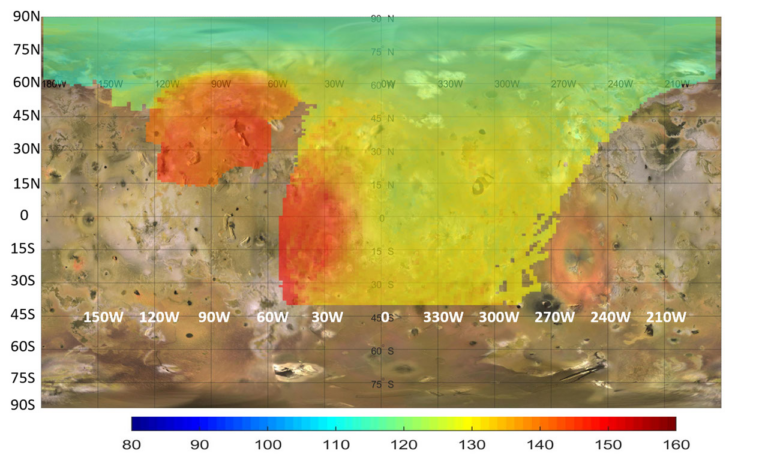
NASA's Juno spacecraft has detected significant subsurface heat anomalies on Io, Jupiter's intensely volcanic moon, utilizing its Microwave Radiometer. This discovery offers new insights into Io's geological processes and internal heat mechanisms, expanding understanding of extreme planetary environments and informing future deep space missions.
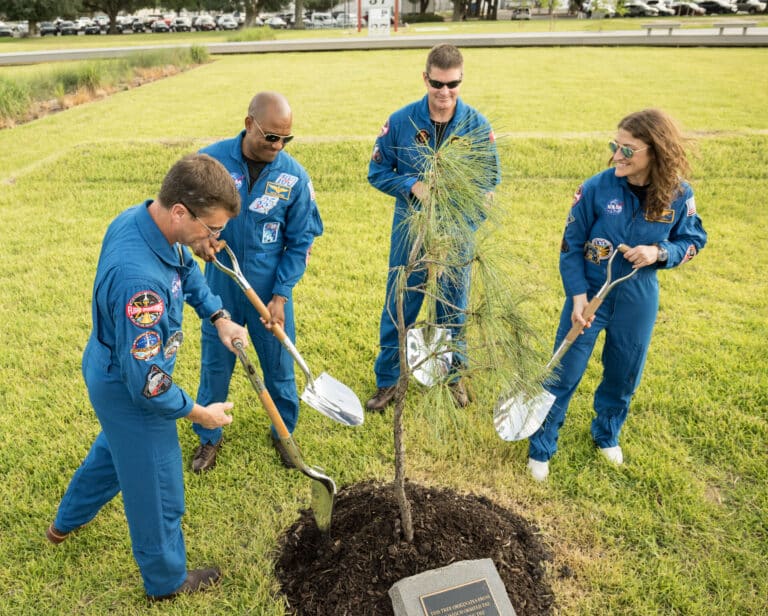
The Artemis II crew visited the Apollo 14 Moon Tree, a sycamore sapling grown from seeds taken to the Moon, highlighting the continuity of human lunar exploration and the enduring legacy of past missions.
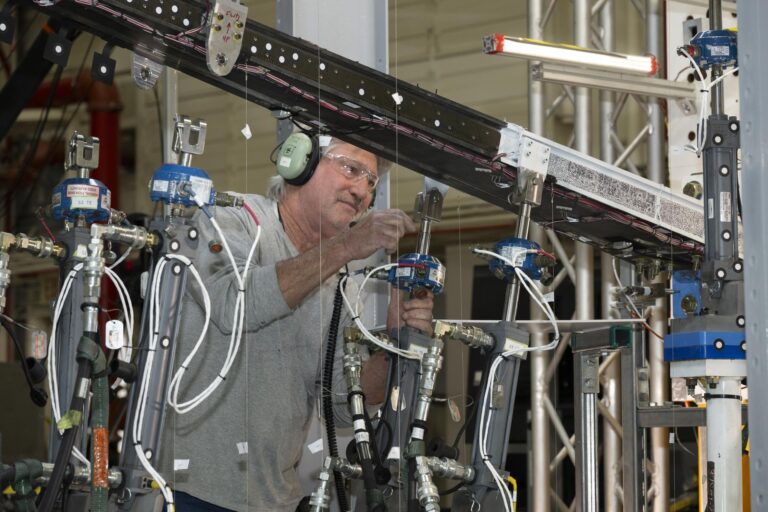
NASA's Armstrong Flight Research Center is conducting rigorous structural testing on a novel wing design, pushing its limits to gather critical data for future aerospace innovations. This research aims to enhance aircraft performance, safety, and efficiency across both commercial and defense sectors.
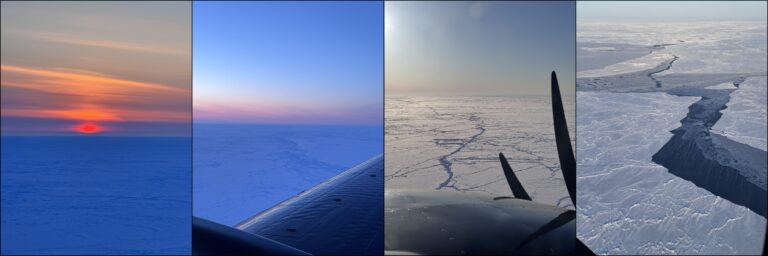
The National Aeronautics and Space Administration is expanding its comprehensive study of Arctic sea ice by deploying a combination of airborne and space-based technologies. This multi-platform approach aims to enhance understanding of polar climate dynamics and their far-reaching global environmental and economic implications.
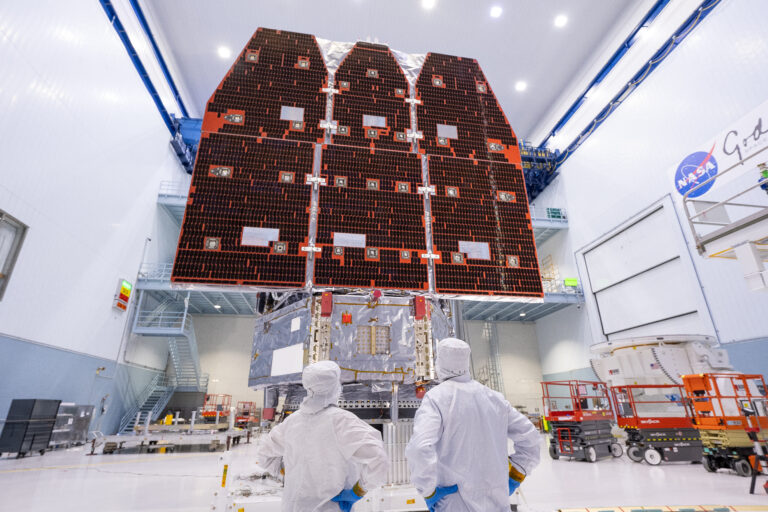
The National Aeronautics and Space Administration (NASA) has extended an invitation to media representatives for the upcoming launch of the Nancy Grace Roman Space Telescope. This next-generation observatory is poised to significantly advance research into dark energy, dark matter, and the discovery of exoplanets, underscoring continued investment in deep space exploration.
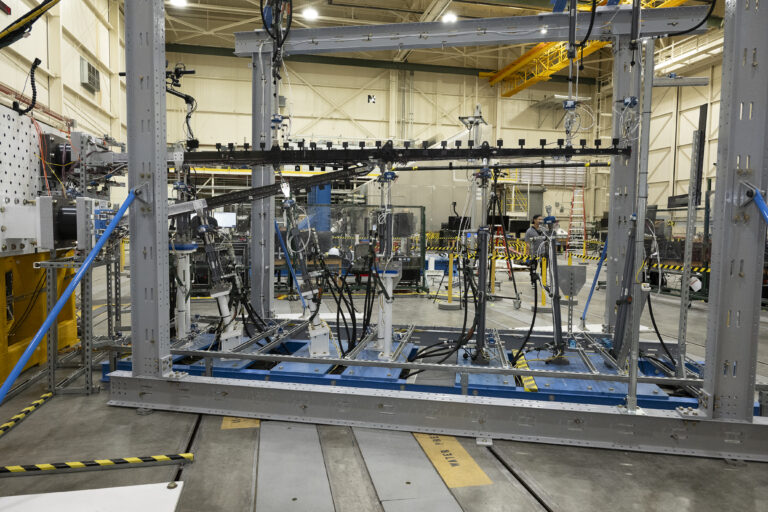
NASA's Armstrong Flight Research Center is conducting advanced structural testing on new, highly flexible wing designs to determine their physical limits. This research is critical for developing future aircraft with improved aerodynamic efficiency and performance, supporting sustainable aviation and advanced air mobility initiatives.
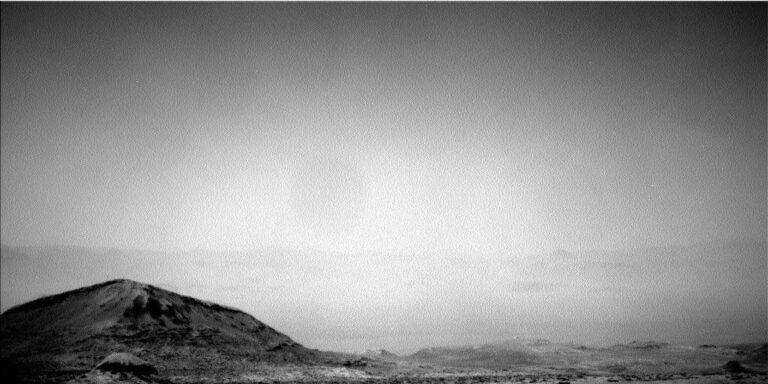
NASA's Curiosity rover continues to provide critical insights into Mars' geological evolution, with recent observations of Gale Crater highlighting a dramatic shift from a water-rich environment to the arid landscape seen today. This extended mission underscores sustained investment in deep space exploration and its broader implications for aerospace technology and scientific understanding.
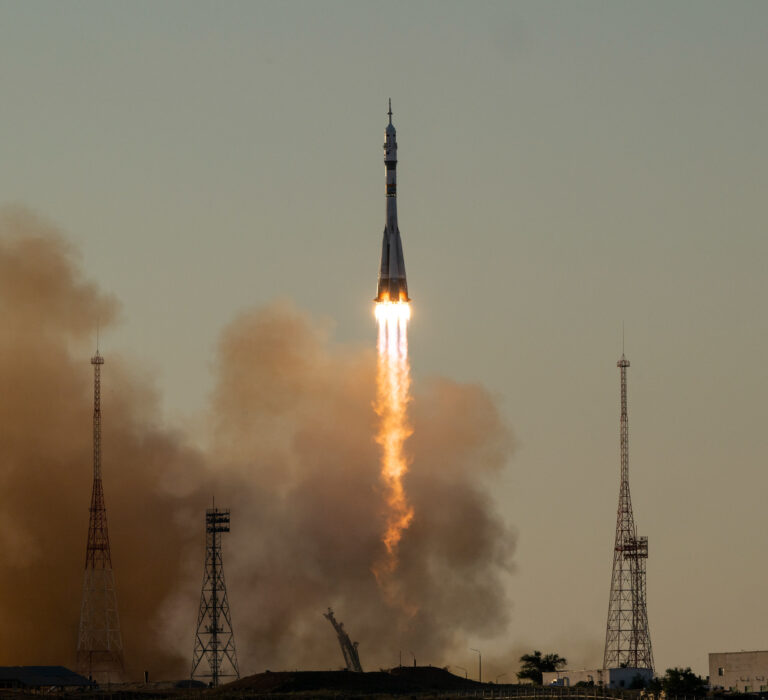
NASA astronaut Anil Menon and his three international crewmates have successfully docked their SpaceX Crew Dragon spacecraft, Endurance, at the International Space Station. The arrival, part of the Crew-8 mission, expands the station's crew capacity for critical scientific research and enhances international collaboration in low-Earth orbit, impacting the broader aerospace industry.