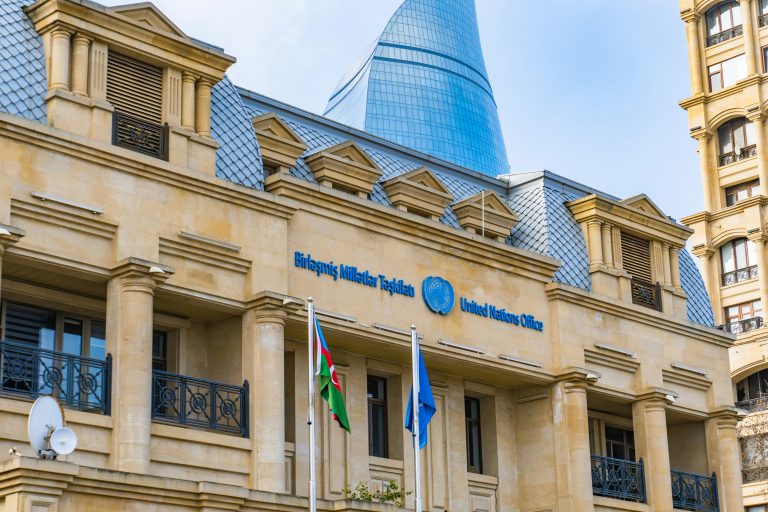
African leaders at the Antalya climate summit called for a sweeping overhaul of multilateral lending terms, urging debt restructuring and cheaper capital to bridge adaptation deficits.

ANTALYA, Turkey: African governments urged a structural overhaul of global climate lending architecture at the Antalya summit, seeking to unlock low-cost capital for continental adaptation. The negotiations focus on addressing the funding shortfall between pledged international assistance and capital delivered to emerging markets.

Continental delegates argued that existing sovereign debt structures impede state-backed renewable power development during summit session proceedings. Government officials stressed that elevated commercial interest rates restrict green investment across vulnerable economies. Without expanded concessionary grants and subsidized credit facilities, transitions away from fossil fuels face persistent fiscal roadblocks.
African borrowing costs for clean power generation remain elevated compared to industrialized peers, widening sovereign yield spreads across the continent. This risk premium constrains ministerial balance sheets, limiting domestic funding for resilient agriculture and grid networks. Unhedged foreign debt obligations also exacerbate balance-of-payments pressures when climate disruptions depress commodity export earnings.
Negotiators prioritized Bridgetown Initiative frameworks to link debt servicing terms directly to climate vulnerability metrics, detailed in Reuters reporting on climate finance. These mechanisms seek to de-risk private investment by inserting disaster-resilience clauses into sovereign bond covenants. Multilateral lenders face growing calls to absorb early-stage development risks and crowd in institutional balance sheets.
Investors monitored the proceedings for concrete commitments from multilateral development institutions to enlarge concessional balance sheets. Market analysts expect that multilateral balance-sheet expansion could ease debt sustainability constraints across the region. However, private capital mobilization will likely depend on whether development financiers establish viable partial credit guarantees.
For African sovereign debt markets, concessional lending reforms could lower refinancing pressures and stabilize local currency valuations. High debt-servicing allocations currently absorb outsized portions of government revenues in regional economies, crowding out private capital formation. Enhanced access to concessional debt could compress sovereign risk premiums and broaden access to international bond markets.
Energy sector operators and regional commercial banks stand to benefit if multilateral agencies issue guarantees for green utility infrastructure. De-risked capital structures would allow regional lenders to syndicate project finance without overextending Tier-1 capital reserves. Over time, standardized debt-suspension clauses may shield fiscal balances from climate volatility while preserving foreign exchange reserves.

Written by
Tumisang Bogwasi, Founder & CEO of Brimco. 2X Award-Winning Entrepreneur. It all started with a popsicle stand.