


A United Nations assessment shows nearly 90 million displaced people live in countries facing severe climate hazards, raising fiscal strains on emerging-market sovereigns ahead of COP31.
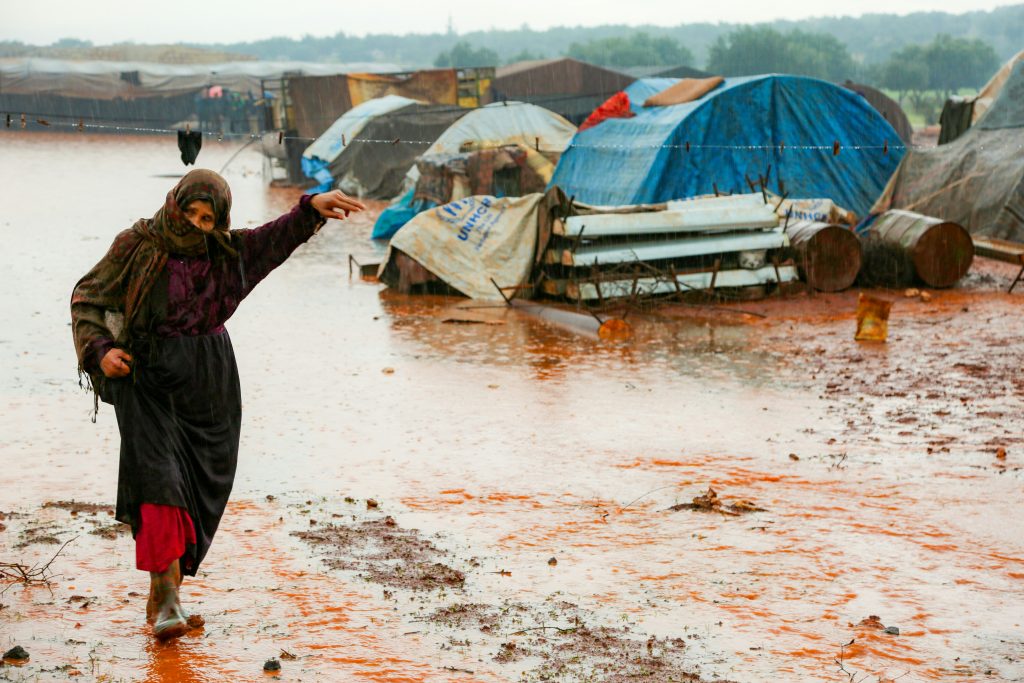
Gaborone, Botswana: Emerging market sovereigns and institutional lenders face intensifying fiscal pressure as climate vulnerability intersects with displacement across developing corridors. A United Nations assessment detailed in Channel NewsAsia coverage reveals that nearly 90 million displaced individuals currently reside in nations exposed to severe environmental hazards.

This intersection of human displacement and environmental shocks strains fiscal buffers across frontier economies. Capital allocators are reassessing risk premiums and sovereign creditworthiness in regions where recurring weather shocks undermine municipal infrastructure.
The data shows that approximately three-quarters of the world’s displaced population live in countries confronting acute environmental degradation. These concentration dynamics require international financial intervention through targeted grants rather than debt-generating relief facilities.
Institutional investors tracking sovereign credit and infrastructure resilience in frontier markets must account for the compounding expenditures of climate-induced displacement. Unbudgeted emergency relief expenditures frequently displace capital allocated for commercial development and scheduled sovereign debt repayments.
The findings arrive ahead of the COP31 climate conference in Turkey, where member states will negotiate adaptation financing and loss-and-damage capital facilities. Multilateral development banks face pressure to scale concessional lending instruments to protect sovereign balance sheets in exposed host countries.
For African finance ministries and domestic capital markets, the convergence of climate hazards and refugee settlement presents direct sovereign balance sheet vulnerabilities. Host governments must maintain emergency social safety nets while repairing damaged infrastructure, creating structural budget deficits that weaken local bond yields.
Portfolio managers exposed to African debt instruments must price demographic and environmental vulnerabilities into regional credit spreads. Without expanded concessional multilateral support, recipient nations risk rising debt-service burdens that constrain growth across key commercial sectors.

Written by
Tumisang Bogwasi, Founder & CEO of Brimco. 2X Award-Winning Entrepreneur. It all started with a popsicle stand.


